
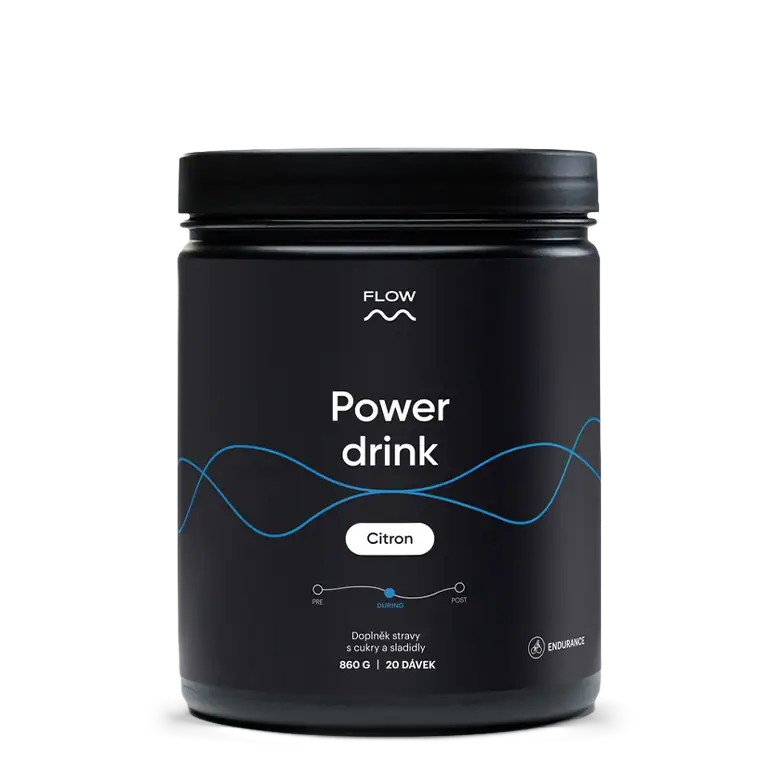
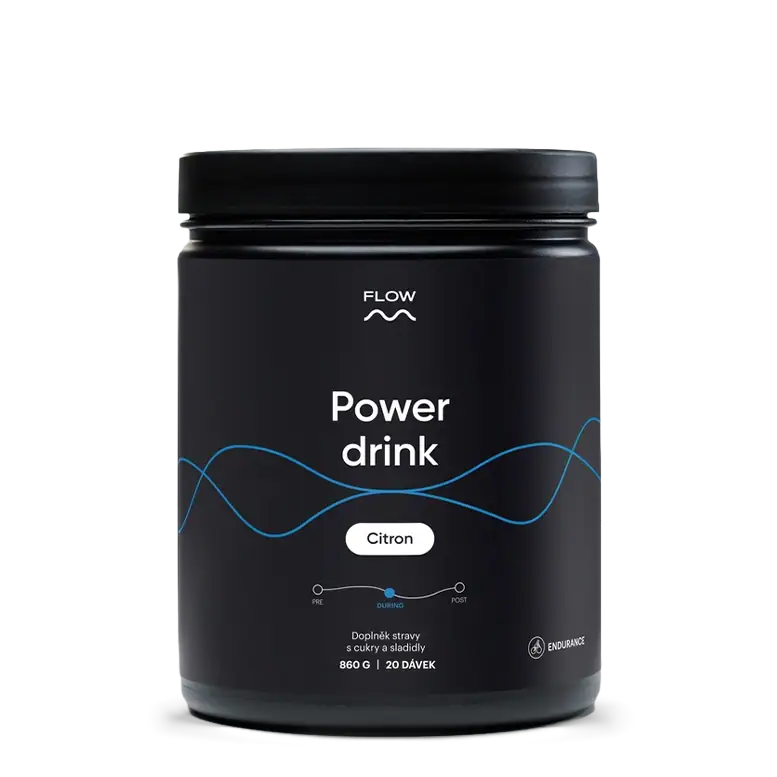
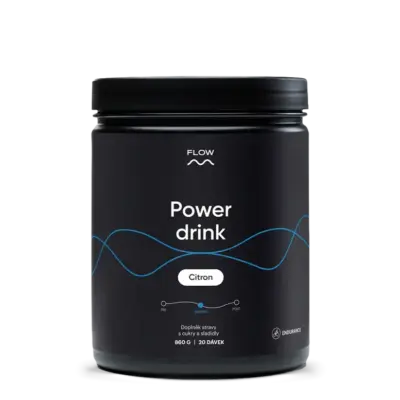
Flow Power drink 2.0 – Lemon 860 g
A drink for training: 40 g of carbohydrates from four sources and electrolytes per dose, lemon flavour





The essentials in 20 seconds
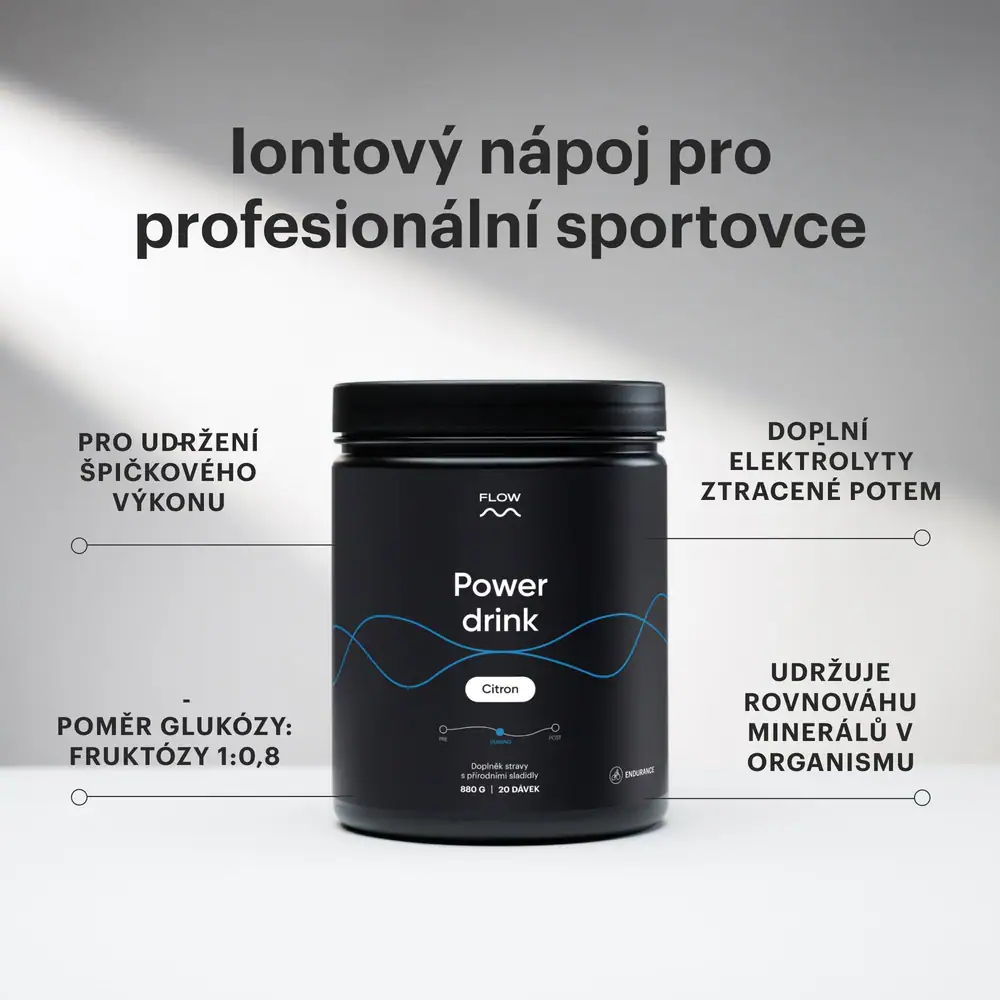
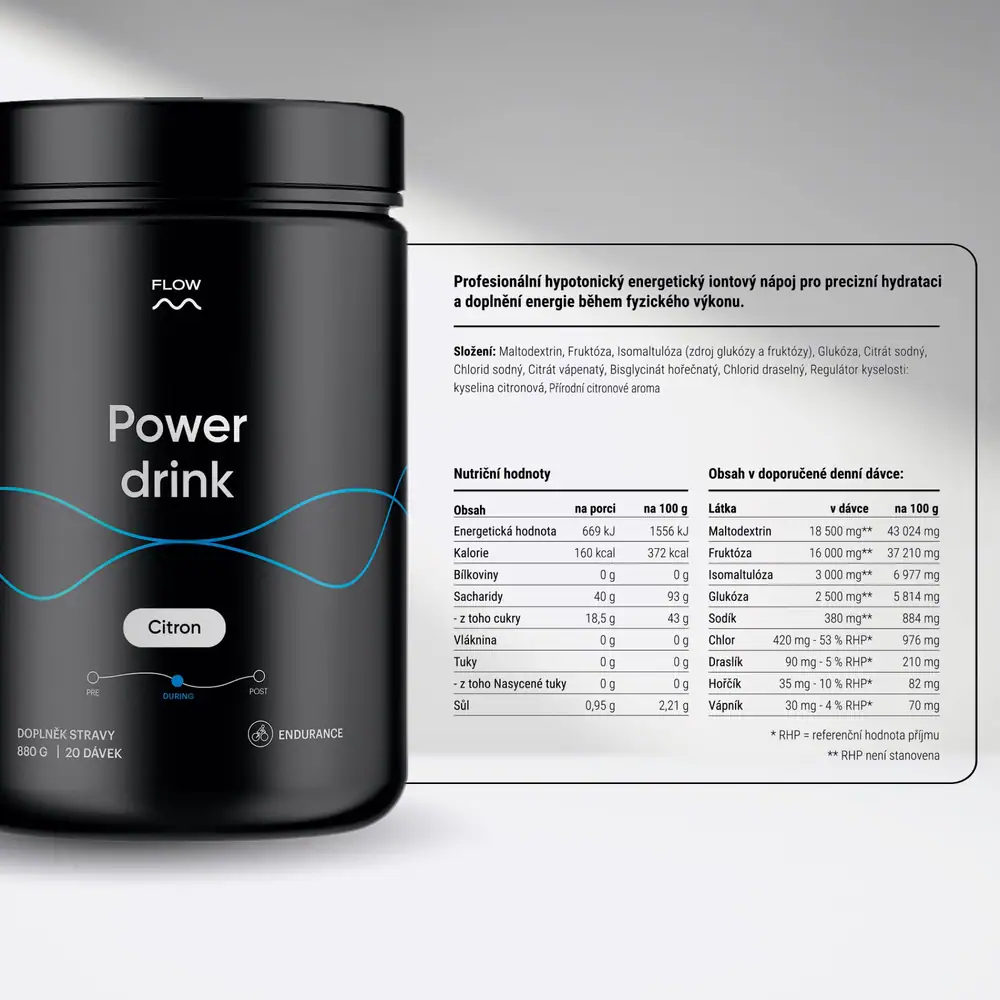
One dose of Power drink 2.0 (43 g in 750 ml of water) contains 40 g of carbohydrates from four sources: maltodextrin, fructose, isomaltulose and glucose. Plus electrolytes: 380 mg of sodium, 420 mg of chloride, 90 mg of potassium, 35 mg of magnesium and 30 mg of calcium.
It is drunk during training and races. The manufacturer describes it as a hypotonic drink. No lactose, gluten, artificial sweeteners or colours, and the flavour comes from natural lemon flavouring.
What is in one serving
Carbohydrates, electrolytes and a lemon flavour.
40 g Maltodextrin, fructose, isomaltulose and glucose, carbohydrates that are used at different speeds.
380 mg and 420 mg From sodium citrate, sodium chloride and potassium chloride.
90 mg, 35 mg and 30 mg Magnesium as bisglycinate, calcium as citrate.
natural flavouring No artificial sweeteners, colours or artificial flavourings.
Why a quality drink during training?
Sports drinks differ mainly in how much carbohydrate and sodium a dose contains and whether the manufacturer states it.
Ideal for

How to use
Mix two scoops (43 g) into 750 ml of water. During each hour of training, drink 0.5 to 1 l depending on the type and intensity of the activity and how much you sweat.
Product details
Who is Flow?
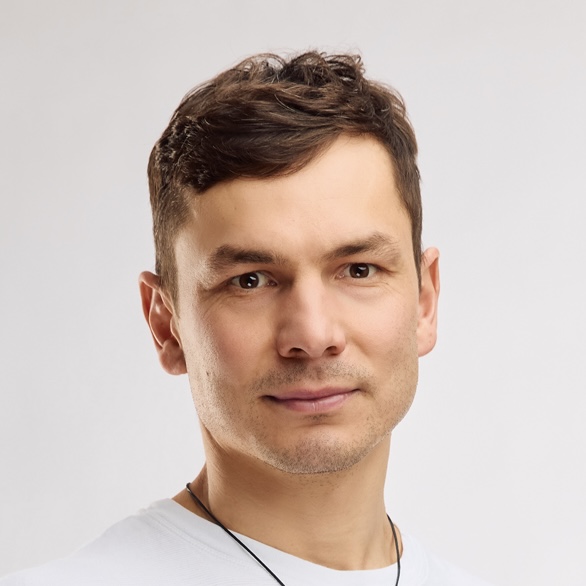
Flow is a Czech brand that makes minerals, vitamins and plant extracts in a pure form. What convinced me about Power drink is that it states how much carbohydrate and each electrolyte is in a dose, and the taste comes from lemon flavouring, not artificial sweeteners.
- Four carbohydrate sources: maltodextrin, fructose, isomaltulose and glucose
- Honest labelling: the amount of carbohydrate and of each electrolyte per dose
- No artificial sweeteners: and no colours
Frequently asked questions
Reviews
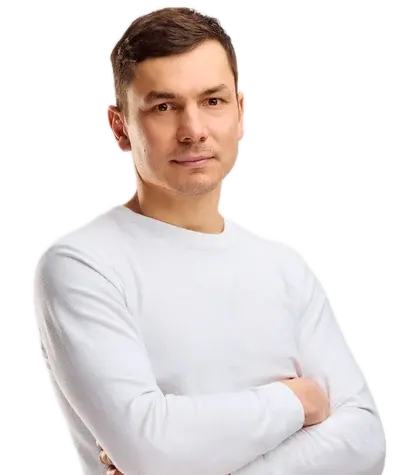
Dušan Plichta
Founder of Powerlogy & developer of functional products for energy, performance and long-term health
Dušan Plichta
Founder of Powerlogy & developer of functional products for energy, performance and long-term health
There are no reviews yet.