
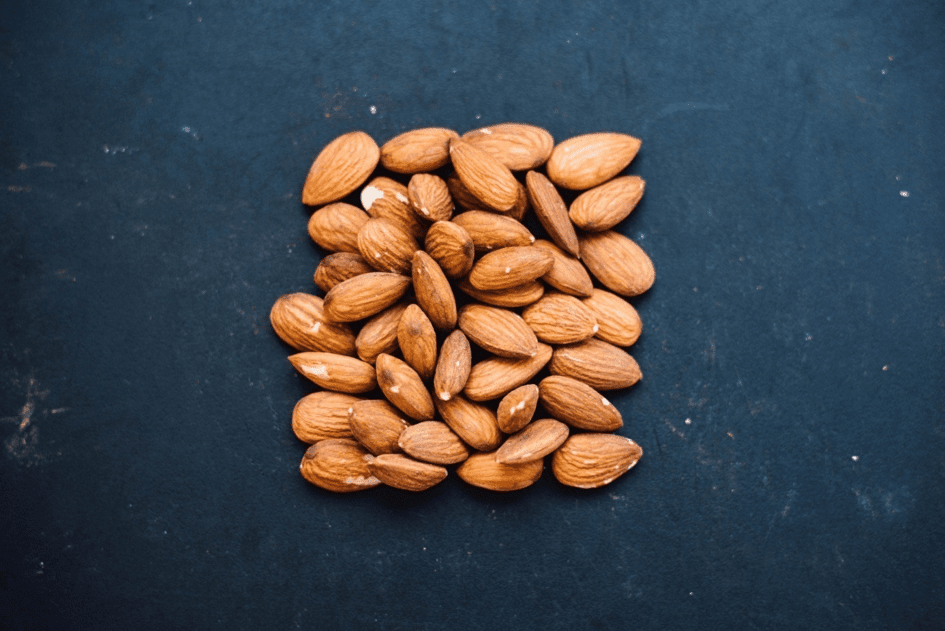
If you had claimed 20 years ago that almonds are a superfood with excellent nutritional values, that they are wholesome and can help you shape your figure, you would probably have been called mad.
In this article you will read:
- Why the almond used to be condemned
- What its composition is and how to use it to your advantage
- Specific recipes for using almonds in the kitchen
- What risks arise in connection with almonds
Only a few decades ago fats were a synonym for an unhealthy diet, a cause of obesity and of various diseases. It was because of these claims that a high-carbohydrate diet came to the fore, together with low-fat and “fit” products.
Fortunately, humanity has moved forward in its approach to eating and we are finding that not all the claims made in the past were correct, even when they came from respected institutions. These royal nuts are now recognised in almost every dietary approach and we can confidently call them a keto, paleo, vegan, raw and so on friendly food. So let us look at the more recent findings and studies from respected institutions concerning almonds.
A nutritional superload in the seeds of the common almond tree
Yes, you read that correctly – the SEEDS of the common almond tree. Technically, almonds are the seeds of the fruit of the common almond tree. Generally, though, almonds are considered nuts and their nutritional composition is very similar, so we can stay with that name. The name itself is not so important; what matters far more is the nutritional composition mentioned. And that we can happily call a superload!
One portion, usually given as 28 g (about 23 almonds), contains 6 g of protein, of plant origin of course, 13 g of fat (80 % monounsaturated, 15 % polyunsaturated and 5 % saturated fatty acids), 6 g of carbohydrate, and we must not forget fibre, which is represented by about 4 g. As for micronutrients, we are even better off. Almonds are rich above all in vitamin E, and the 28 g portion mentioned contains 37 % of the recommended daily intake. From that portion you will also get 20 % of the recommended daily intake of magnesium. We must not forget other substances that are useful to the body, such as copper, vitamin B2, riboflavin, phosphorus and others.
With its composition, this nutritional superload has quite a few beneficial influences on the human body.
What can we expect after adding almonds to our eating routine?
Each of us has probably already heard about the beneficial effects of nuts on the cardiovascular system. This is mainly because of the composition of almonds mentioned above and specifically because of the ratios of fatty acids. According to many studies, almonds – thanks to their composition and especially their high content of monounsaturated fats – are associated with lower LDL cholesterol and with a slight increase in HDL cholesterol. What does that mean and why is it so?
Put very simply, cholesterol, which is essential for life, is not soluble in blood and is carried between cells by protein transporters called lipoproteins. We divide these lipoproteins into two kinds: HDL (high density lipoprotein) and LDL (low density lipoprotein). HDL lipoprotein carries surplus cholesterol from the blood to the liver and then into the bile, until it leaves the human body. It also removes fatty deposits in the blood vessels.
LDL lipoprotein carries the cholesterol that is needed to cells throughout the human body. However, if there is a surplus of cholesterol in the blood bound to LDL lipoprotein, there is a risk of deposits forming on the walls of the arteries (atherosclerosis). So, as mentioned above, almonds are associated with lower values of the undesirable LDL cholesterol and, in addition, with protecting these particles from oxidation. Oxidation of LDL particles is one of the factors involved in cardiovascular disease.
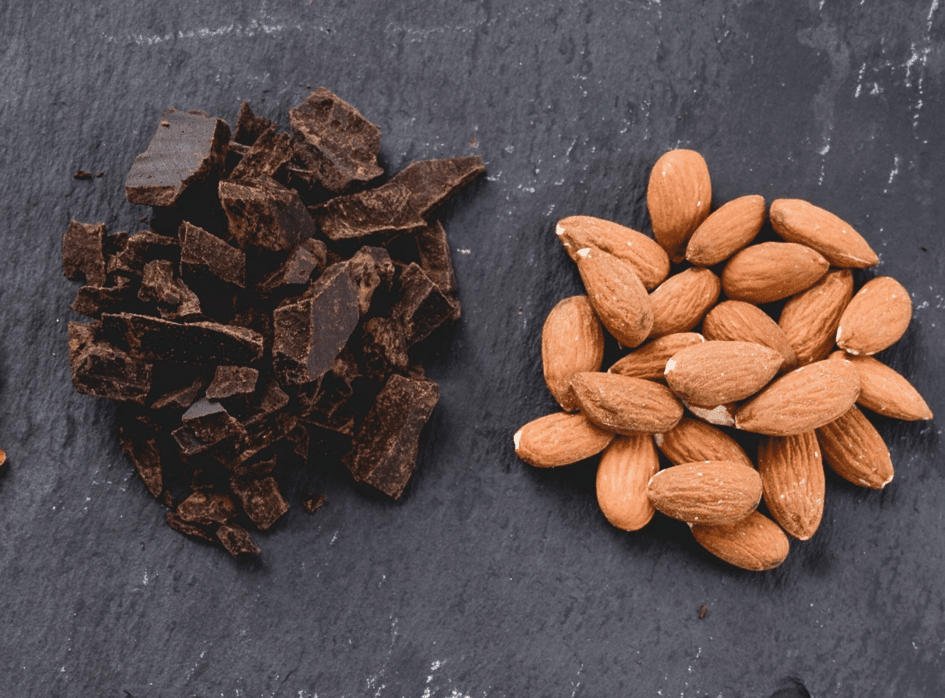
So that not everything is ideal, a 2016 study notes that, for reasons that are not clear, cholesterol in the bloodstream fell only in people of an appropriate weight, but not in obese individuals. Fortunately, another study reports a greater positive effect of almonds on the cardiovascular system in obese people as well, when almonds are eaten with dark chocolate with a high content of good-quality cacao.
Vitamin E is another substance often discussed in connection with almonds in the everyday diet. Almonds are full of antioxidants, and the largest share belongs to the vitamin E mentioned, also called tocopherol, which according to studies has been linked with a lower risk of cancer. Antioxidants essentially protect the cells in our body from oxidative stress. That is one of the factors in ageing and in other conditions. It is important to note that the antioxidants are found in the almond skin. Vitamin E as an antioxidant together with collagen is a popular combination for people who take care of their skin.
In short, we can call almonds royal nuts without any reservations, because of the content of good fats, protein, fibre, antioxidants, magnesium and vitamin E mentioned above. Also because of the advantages for our health that are associated with eating almonds, above all lower blood sugar, lower LDL cholesterol and lower high blood pressure. And we certainly must not forget the reduction of hunger and help with keeping to a desired weight.
Fitting the royal nuts into everyday life effectively
Probably everyone will agree with the claim that the availability of food today is the highest in history. Unfortunately, we cannot say the same about the quality of food, and that is why food should be chosen in the highest possible quality. With almonds in particular we have to be careful as far as quality is concerned.
Almonds are sold in various forms and in combinations with other foods or products that reduce, or almost completely cancel out, their beneficial effects. We get the most health benefits from almonds that are processed and flavoured as little as possible and ideally still have their skin (yes, because of the antioxidants).
A replacement for snacks
The undesirable and often unhealthy snacks that contain large amounts of salt, sugar, unhealthy fats and cholesterol can be replaced with almonds and chocolate with a high cacao content (in reasonable amounts, of course). As mentioned, this combination is wholesome, tasty and according to studies also reduces the feeling of hunger. This snack is ideal for a mid-morning or afternoon break.
Another great alternative are nut creams. Good-quality almond cream is an excellent food for rounding off a good full-fat breakfast that will give you energy all morning. Thanks to its taste, almond cream easily replaces the snacks mentioned as well.
Almonds as a superfood that should not be missing from the kitchen
There are many ways to use almonds when preparing food and to give a dish added value. They are often used in baking in the form of almond flour, or in other variations, especially when making wholesome cakes, pancakes and the like. They are of course also a great addition to cooked dishes or to cold salads. For inspiration, do try some of these recipes:
For breakfast, almond and avocado mousse (recipe in the link) is a great choice

For lunch you certainly cannot go wrong with chicken with almond and sesame sauce
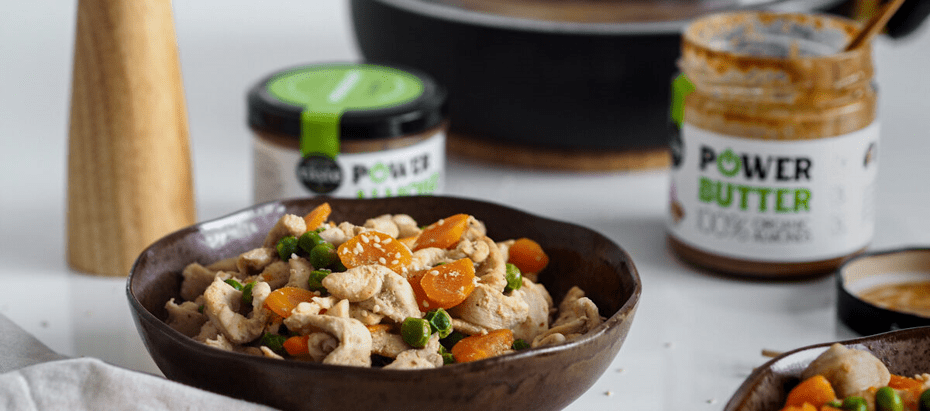
Dinner without regrets in the form of a salad with almonds and chicken in white wine

And why “not quite” in the title of the article?
First of all it has to be said that not everything is completely ideal and that almonds too have their little flaws.
Probably the most discussed negative in connection with almonds are allergies. People with a nut allergy often have an allergy to several kinds of nuts, so it is necessary to be careful. In general these allergies are triggered by proteins found in nuts and seeds. An allergic reaction can occur after eating, or also after contact with and inhalation of the allergen concerned. The most common signs are skin reactions and problems with the digestive and respiratory systems.
Another negative is the quality of the almonds themselves, mentioned earlier. If almonds are stored incorrectly, they are considerably prone to moulds and the aflatoxin (a carcinogen) associated with them. These moulds look like black and grey threads. That is why we recommend buying trusted products of the highest quality.
However, the rule that too much of anything is harmful applies here as well. Excessive consumption of almonds (100 g a day and more) can cause certain difficulties. Specifically, you can overdose on vitamins and minerals, which leads mainly to stomach trouble such as diarrhoea and abdominal pain.
Summary
- Because of their composition and the range of their uses, almonds are rightly called a superfood
- The nutrient contribution of almonds can be increased by combining them correctly with other foods, for example with good-quality chocolate
- It is important to pay attention to quality, origin and storage, which are commonly neglected and therefore harmful to health
- An amount of 30 to 60 g a day is recommended
- Suitable for every dietary approach, whether low carb, keto, vegan or paleo
Image source www.unsplash.com


Comments
There are no comments yet.