
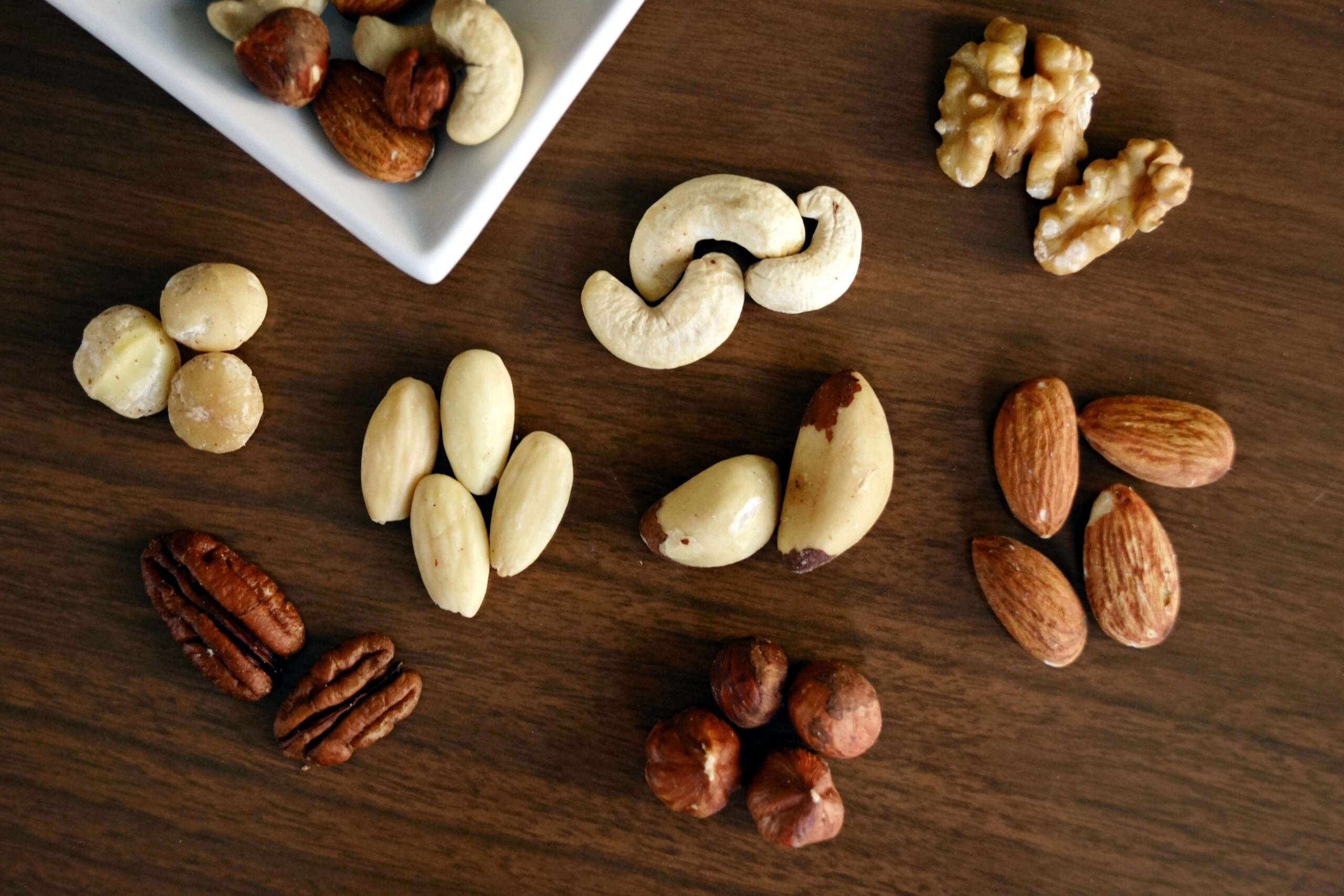
Organic here, organic there, a higher price, almost the same appearance. Is it worth paying more for organic food? Is it healthier, or what exactly makes it better?
At the end of the day, not all organic is the same… Let us get our bearings in the current ecological challenges of the food industry, for more conscious shopping and better food quality.
In this article you will read about:
- What organic food means
- Pesticides and GMOs — genetically modified foods
- Why it is worth investing in organic nuts
- The benefits of organic food for the body and for the environment
Bio, Eco, Organic — just names?
The labels Bio and Organic are interchangeable, although in some parts of the world there are small differences between them that depend on the legislation of the country in question. Producing organic food is neither easy nor cheap for farmers, so the difficulty of production is reflected in the price for the consumer. The label with the green leaf means that the product complies with the EU regulation on organic production. In such foods 95% of the ingredients must be organic, they must not be genetically modified and no synthetic pesticides, herbicides or fertilisers may be used.
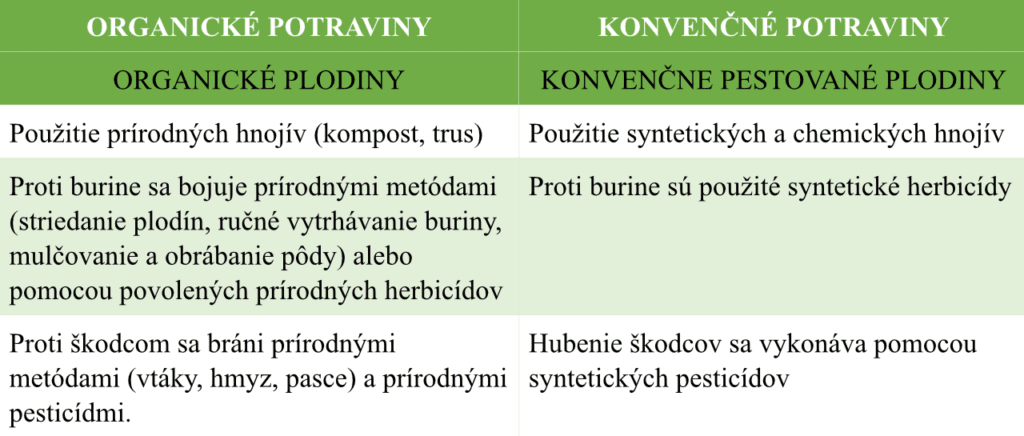
A little about pesticides and GMOs, to understand organic food better
Scientific studies have reported associations between exposure to pesticides, even at low doses, and disorders of the nervous system, cancer, infertility, vomiting, diarrhoea, allergies, asthma, skin irritation, ADHD, birth defects and more. Children (including unborn ones) are described as the most vulnerable, because their immune system, bodies and brains are still developing. Exposure to these toxic substances at an early age has been associated with developmental delay, behavioural problems, autism, immune-system damage and motor disorders.
The body of an adult with a strong immune system can eliminate toxic substances, but it is worth remembering that most of us carry an accumulated level of pesticides from years of exposure to them.
In organic food, natural pesticides, herbicides and fertilisers may be used within the limits set by legislation. A toxic substance is a toxic substance, however, regardless of its origin. For the body, toxicity is determined by the concentration of and the amount of exposure to the substance in question. Organic foods carry a smaller (smaller does not mean none!) amount of trace toxic substances, so along with them we consume fewer harmful substances.
To reduce the need to use quantities of herbicides and pesticides that are good neither for the body nor for the planet, foods began to be modified at the genetic level so that they would resist pests (these crops produce insecticides for themselves). The topic of genetically modified food (GMO) is controversial, as no long-term studies confirming the safety of GMO use have been carried out. Some animal studies have, however, suggested associations between their consumption and damage to internal organs, slower brain growth and thickening of the digestive tract. Reach your own verdict; we will only add that organic food must not be GMO.
The verdict? We will not avoid pesticides and herbicides altogether, and human bodies can eliminate them. It is simply a matter of sensing what dose our body can cope with and choosing foods so that we do not expose the body to unnecessary stress. When it is busy eliminating harmful substances, that takes energy we could use for something else.
The benefits of organic food for health
How your food is grown or raised can have a real influence on your mental and emotional wellbeing, as well as on the environment.
There are many scientific studies comparing the nutritional value of organic and conventional food. Some show no difference, while others have found that organic crops contained considerably more antioxidants, vitamin C, iron, magnesium and phosphorus, and considerably fewer nitrates than conventional crops. Organic foods have also been reported to contain less protein but of better quality, and a higher content of nutritionally significant minerals with a lower content of some heavy metals. Some people who react to foods, chemicals or preservatives report that their symptoms ease when they eat only organic food.
With organic animal products you can be sure that no antibiotics were used in the rearing, so you are not disturbing your microbiome. As a reminder, the bacterial flora in the gut is linked with the functioning of the immune system, the nervous system, behaviour, resilience to stress and mood. The gut is our second brain and communicates intensively with the brain, whose optimal performance we keep in mind at Powerlogy. We are not planning to produce animal products for now, but in making our products and during our seminars we use foods that nourish the body as a whole.
With some foods, though, it is not essential to buy them organic. With animal products we do recommend it, but with vegetables and fruit it is better to follow seasonality and locality. These foods guarantee the greatest freshness, so you know they were picked at the time when they contain the most antioxidants and other beneficial substances.
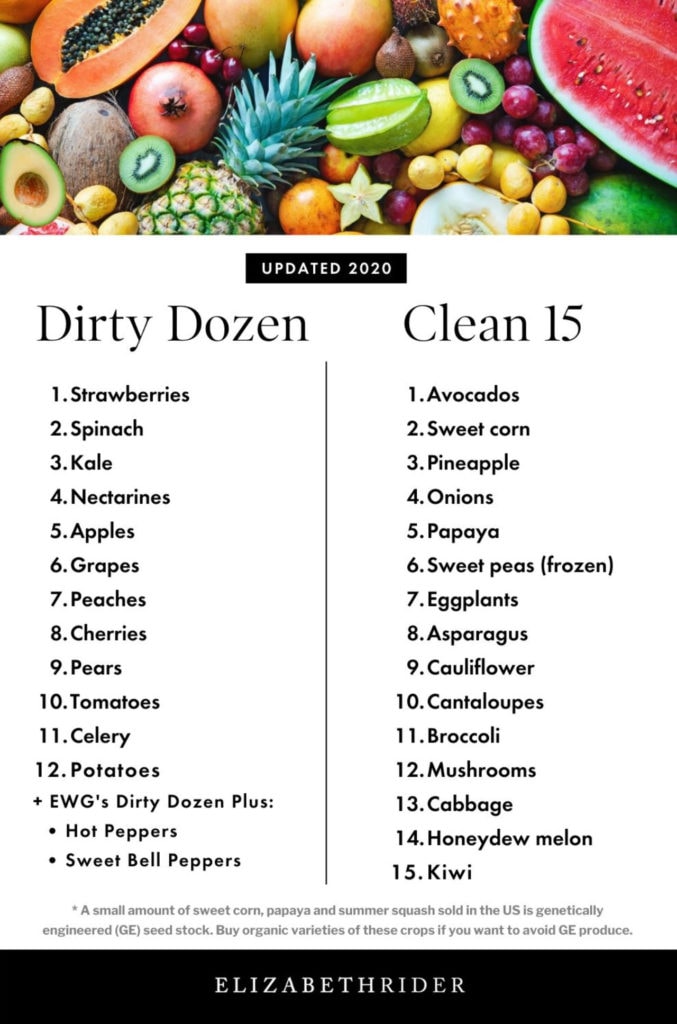
You can also follow lists such as the Dirty Dozen and the Clean Fifteen, to get a sense of whether a food requires large amounts of pesticides. For the “dirty” foods it is better to choose organic, as they require the most pesticides, and for the “clean” ones you can decide based on your budget. The “dirty” foods include cucumbers, spinach, kale, nectarines, peaches, apples, pears, grapes, cherries, strawberries, tomatoes, celery, peppers and potatoes. The “clean” foods include avocados, sweetcorn, pineapple, onions, peas, aubergine, cauliflower, broccoli, honeydew melon, mushrooms, cabbage, kiwi, radishes, squash, sweet potatoes, beetroot, horseradish and leeks.
Do not forget that for many small farmers and breeders the “Organic” label is a financially unattractive investment, and even though they produce food in line with organic principles they do not label their products that way, in order to avoid legislative trouble. Ideally you know your farmer and know where the food on your table comes from.
With nuts it is worth investing in organic quality
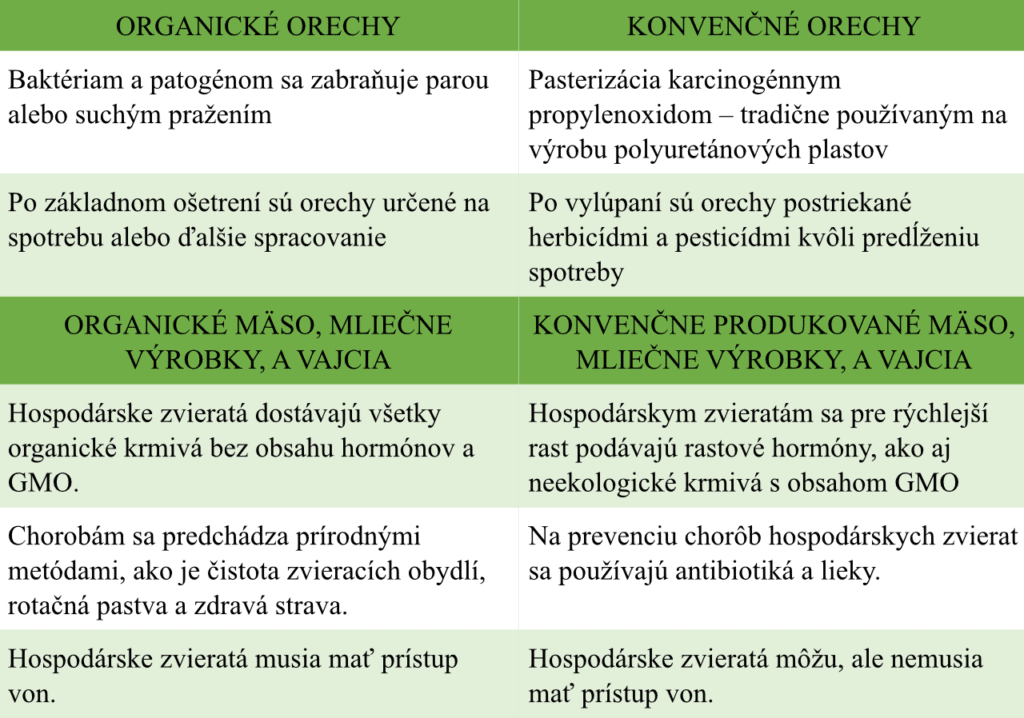
With nuts, as with other natural crops, bacteria and pests cannot be avoided, so they have to be treated in some way for us to benefit from their high nutritional value. Organic nuts are carefully treated with steam or gentle roasting to preserve micro- and macronutrients and extend shelf life.
To treat conventional nuts, herbicides and pesticides classified as potential carcinogens are used — with almonds these are glyphosate and propylene oxide (PPO), traditionally used in making plastics. With pistachios it is the outright dangerous toxin phosmet. With cashews it is endosulfan, which belongs among endocrine disruptors and may affect the balance of hormones in the body. And when it comes to peanuts, categorised as legumes, during growth they absorb everything around them from the soil through their soft, permeable shell and are particularly prone to contamination. That means peanuts are soaked in pesticides, herbicides and potentially also the mould aflatoxin, which can be removed with fungicides. Poison or poison, take your pick. That is why you will not find peanut products in our range. You can read more about how peanuts compare with other nuts in Dušan’s blog.
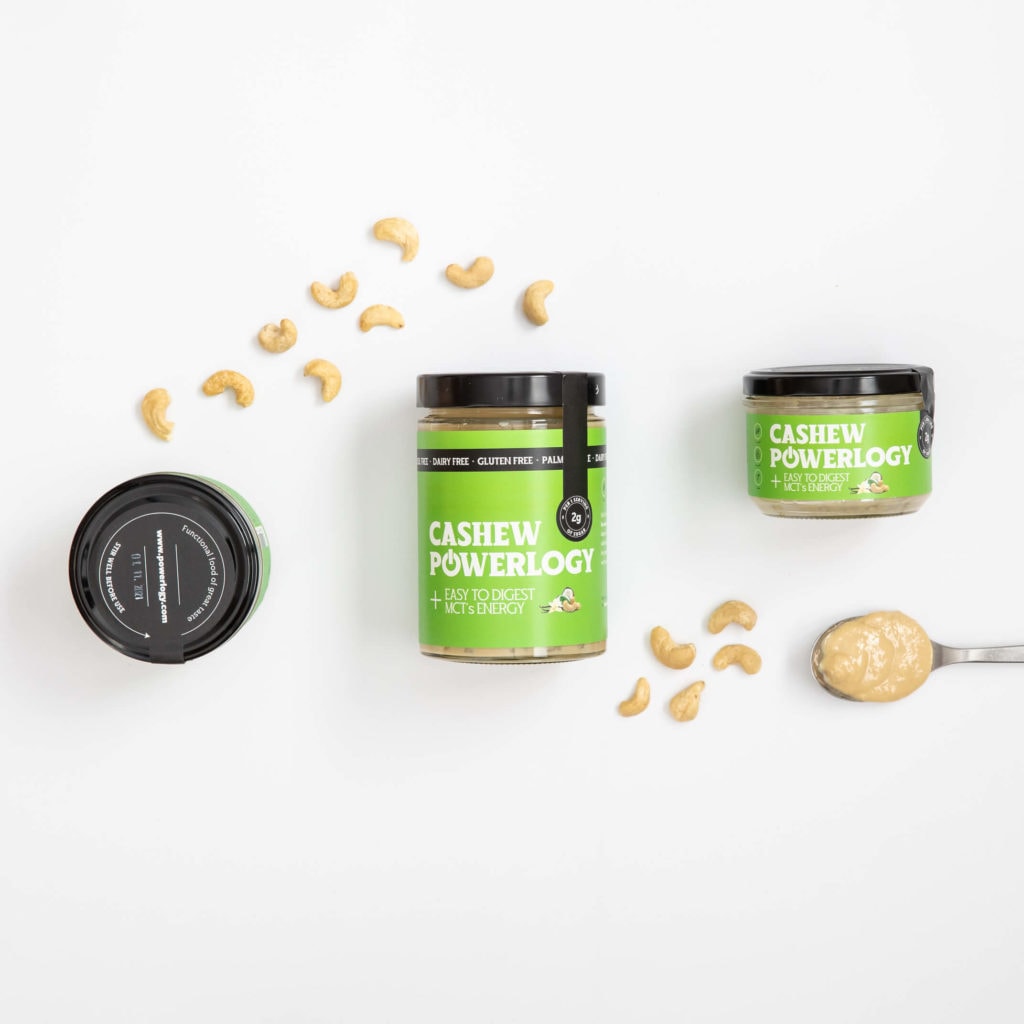
Back to organic nuts. You may think that nuts are shelled anyway and that pesticides and herbicides do not get through the shell. They do not, but… Even though nuts are not always sprayed while they grow, as a rule they are covered with pesticides and fungicides after harvesting and shelling. Thanks to their high fat content all nuts absorb these substances easily, so when we eat them the substances end up in our body. So unless you are willing to shell all your nuts yourself, it is better to invest in organic-quality nuts.
The benefits of organic food for the environment
When it comes to food, there is a great deal to say on the subject of protecting the environment. People once ate only from locally grown crops with rotation of planting. Today commercial food production favours monoculture, which degrades the soil and strips it of nutrients and of the life within it. If we do not have nutrients in the soil, the crops grown in it will not be bursting with nutritional value either. With organic growing or permaculture, crops are rotated, so the soil has both the opportunity and the ability to regenerate — it is a more sustainable way of producing food in the long term.
We also look at production from three perspectives — how much energy is used in production, how much land is taken up and how many greenhouse gases are produced.
Producing conventional food uses more energy than organic food, and more toxic substances are used that leach into groundwater. However, organic food produces roughly the same emissions as conventional food, and producing the same amount of food organically requires a larger area of land. The best option for the environment is a combination of the best practices from both worlds.
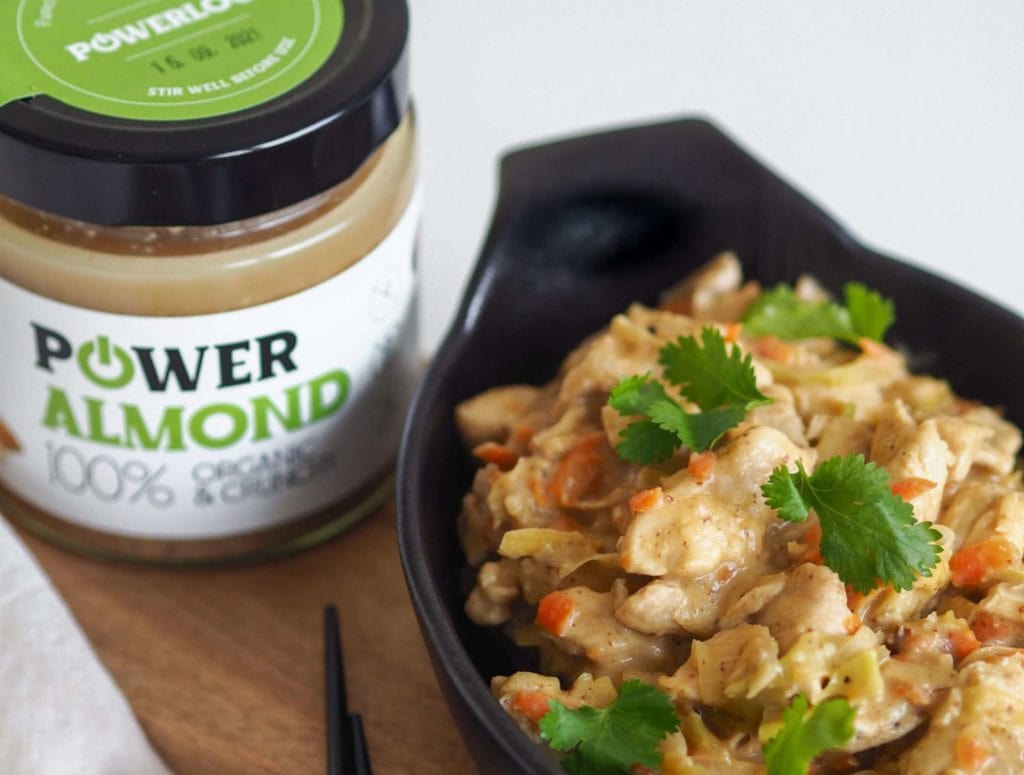
From a carbon-footprint point of view it is best to eat locally and seasonally. If you think that eating an organic tomato from Spain saves the environment more than a home-grown unlabelled tomato, think again. Food that travels from various corners of the world requires quantities of burned fossil fuel to land on your table. What is more, strawberries do not grow outdoors in January, so they are grown in greenhouses that need extra energy. Organic food does not mean ecological food.
It is also worth remembering that people are part of an ecosystem in which we live symbiotically with other organisms. If they do not thrive, our life is disturbed too — everything is connected. Take almonds, for example. Did you know that roughly 80% of the world’s almond production is grown in California? The Central Valley in California is threatened by environmental degradation due to intensive agriculture, which is visible in the growing of these nuts as well. Bees are transported for several weeks to pollinate the almond crop, and when they are exposed to chemicals and sprays, the health of the bees is affected too. After they die in large numbers, more are brought in for the next season. Judge for yourself whether this is appropriate behaviour towards the population of pollinators of our food and their fragile ecosystem on this planet.
A more objective view of organic food
People buy organic food for at least one of three reasons — they want to eat food that is more natural, healthier and better for the environment.
If you want to eat more naturally, that does not mean you will avoid toxins, because natural substances can be toxic to the body too.
If you want to eat more healthily, eat more fresh fruit and vegetables. Highly processed organic foods say something about the production method only, not about how good they are for you. You are better off with a well-washed conventional apple than with organic biscuits full of added sugar and highly processed oils or other additives.
If you want to eat in a way that protects the environment, buy locally grown or raised food that is in season. As well as eating fresher food that does not travel halfway around the world (adding to greenhouse gas levels through its transport), you will also support local farmers who cultivate the soil and support the local economy.
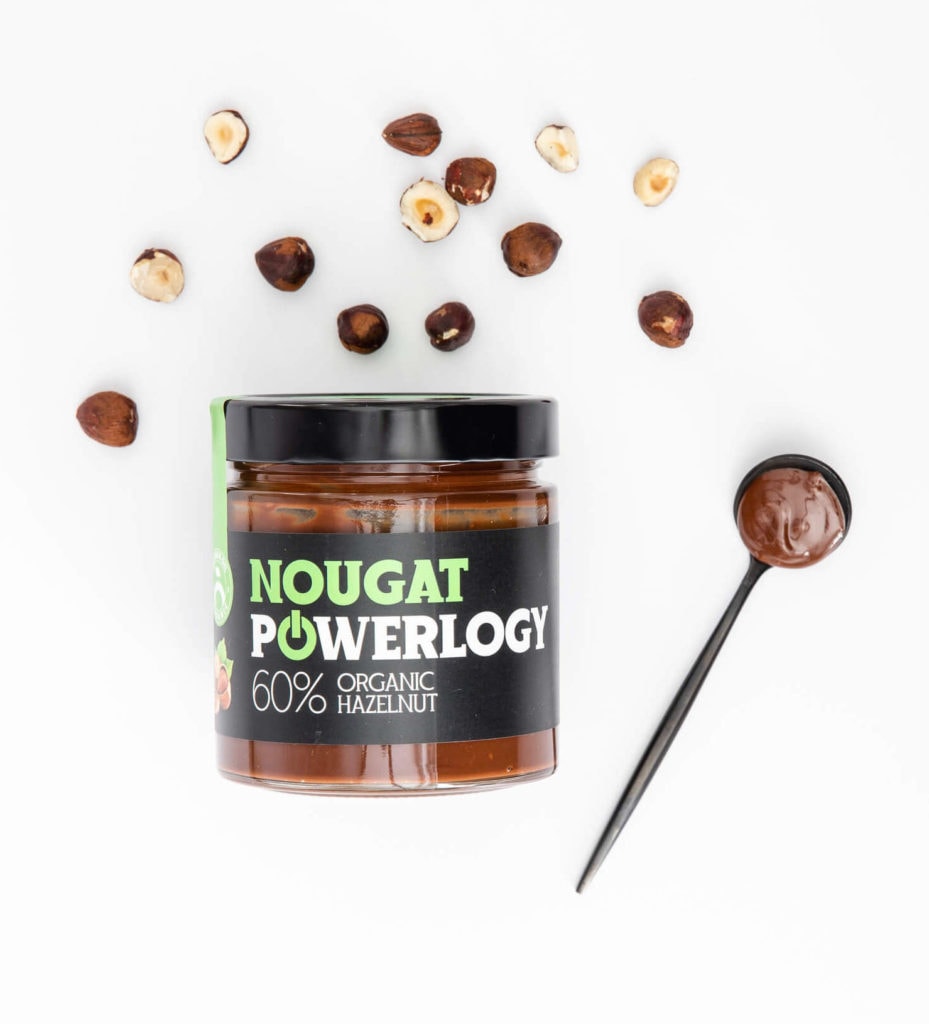
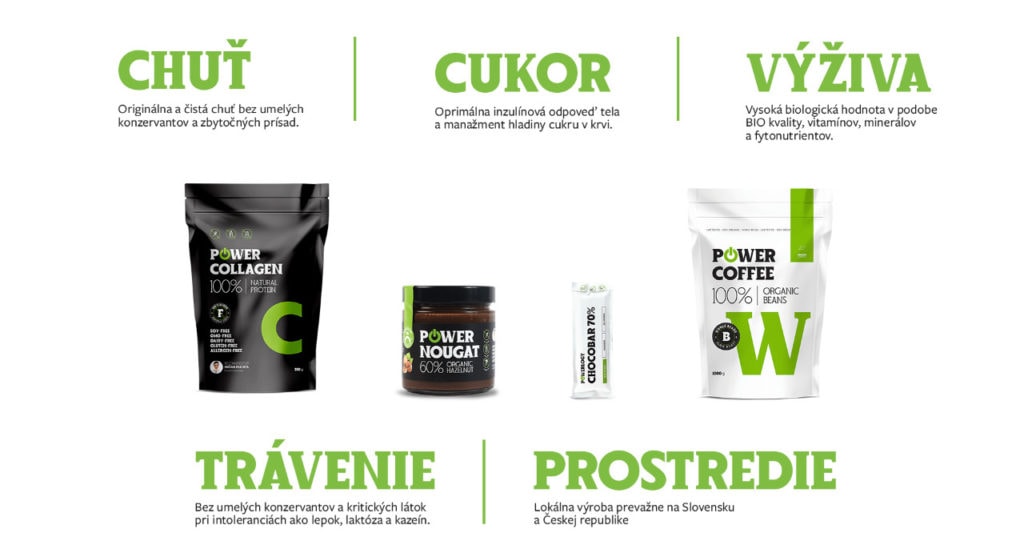
At Powerlogy we choose and create foods with no compromise on taste or composition, based on knowledge and consultation with experts so that we come as close to nature as possible. Our products are made in Slovakia and the Czech Republic and in most cases we choose organic quality.
We have defined our own standards, by which we bring you an everyday experience combining clean, natural and delicious ingredients with functional energy.
Article by: Simona Majerská
Member of the editorial team and professional guide for cacao ceremonies and rituals


Comments
There are no comments yet.