
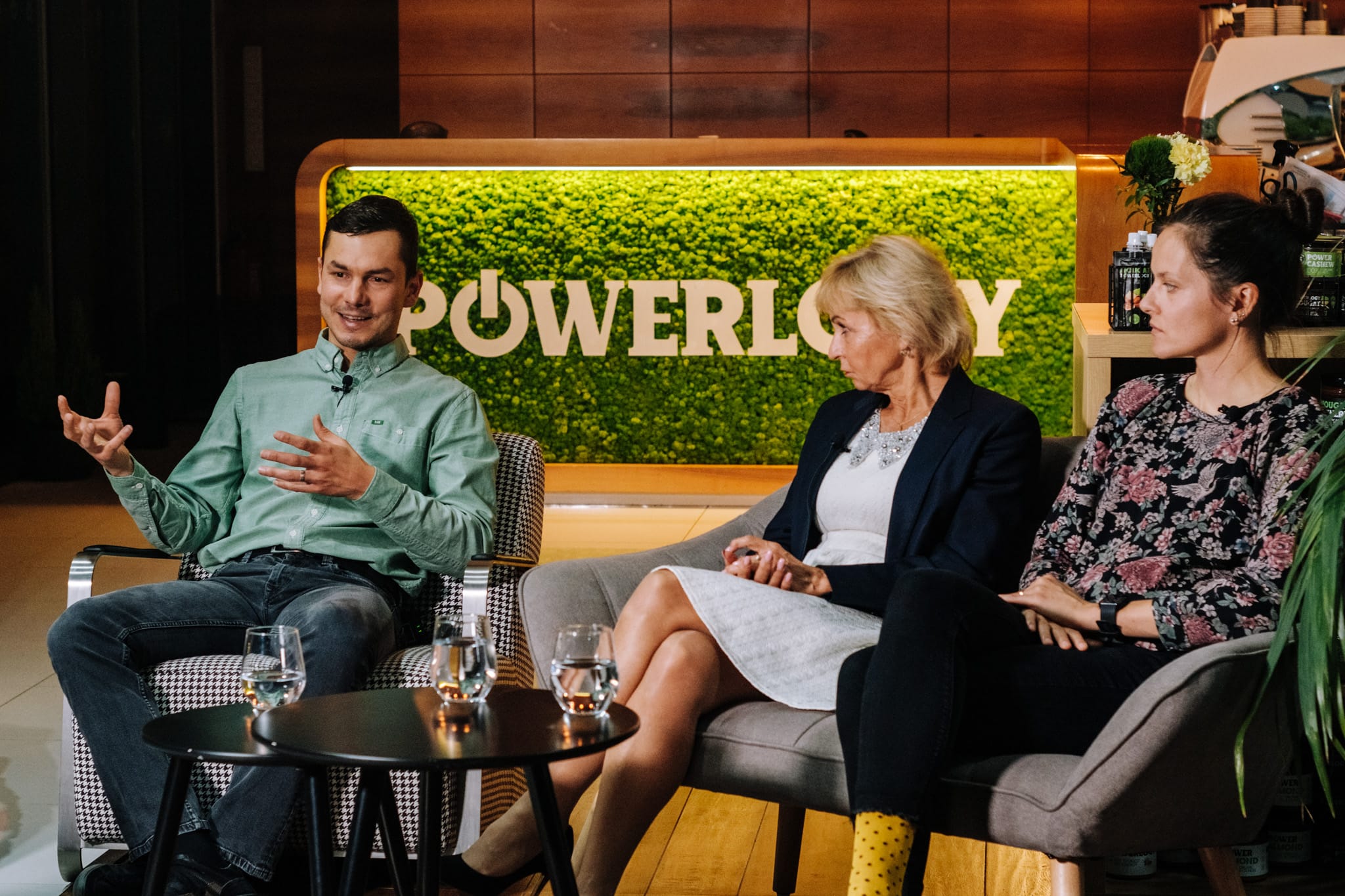
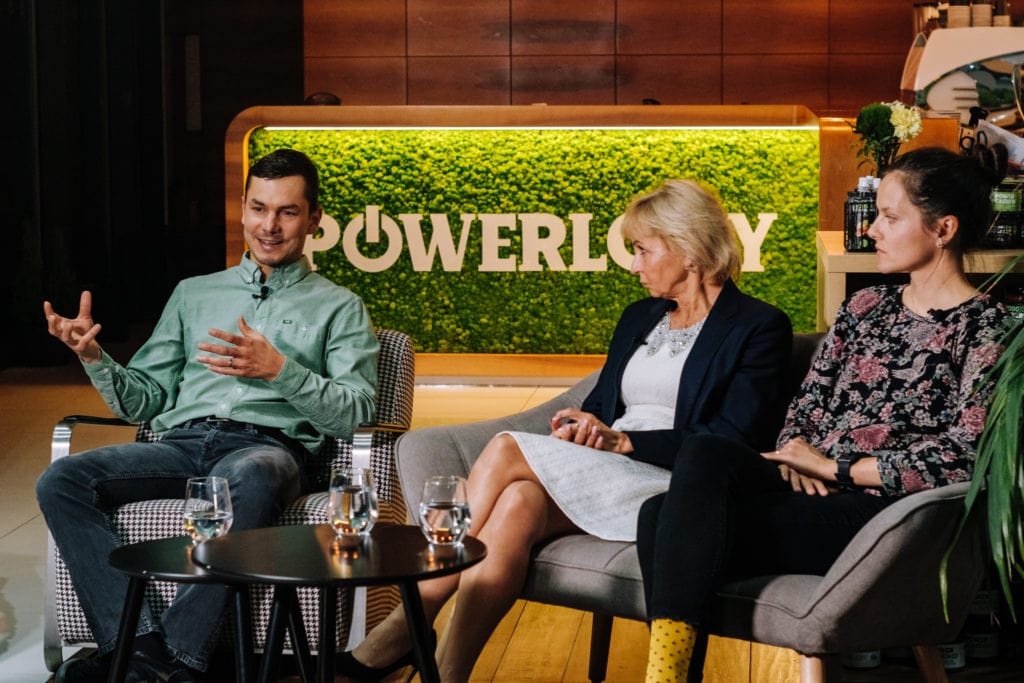
During an inspiring discussion with experts on the topic of energising foods we opened up several themes that deserve more space, so we are bringing you a series of articles about an optimal approach to your lifestyle. The first article, the one you are reading, is about conscious eating, listening to your body and gradually optimising your daily habits. In the following ones you will learn how to get on top of cravings and binge eating, how to deal with brain fog and the slumps during the day, and you will find out about the hidden price of cheap food.
Mountains of books have been written about the ideal approach to daily habits, oceans of videos have been filmed, and courses have been created that attract people looking for the one right answer. That answer does not come, and through gradual trial and error a person works their way towards the truth being somewhere in the middle. Every organism is unique and therefore needs a unique approach to eating. The key is to build a relationship with your body, which will whisper to you how to do it.
In this article you will find out:
- How to approach different diets
- A guide to conscious eating
- How you can help yourself listen to your body
Watch the recording of our panel discussion on the topic “Energising foods”:

See the body as a conscious being in its own right
Everyday stress, a pile of tasks and a fast lifestyle separate us from the body. We are always thinking about something, making lists in our heads of what else we have to fit in today, or simply replaying situations from the past or fantasising about the future. In short — we live in our heads and do not notice what our internal organs, muscles and tendons are telling us right now. If we want to live long and above all well, the head and the body need to work together.
The body has its own intelligence — it turns the food you eat into the cells of your body. It supplies the cells with oxygen. It sends electrical signals through the nervous system from the brain to the muscles and tendons so that you can move. The body is a perfect technology that works without you giving it detailed instructions on how to do it. Every millisecond a host of processes takes place that you never think about. Seen in this light, we can look at the body as a child that needs to be cared for and that will tell you itself what it needs. It knows best what will pick it up and what will wear it out. Our job is to listen to it carefully.
The journey is the destination — experiment and optimise
Keto, paleo, low-carb, vegetarianism, veganism, raw food, the Mediterranean diet… There are an incredible number of approaches to eating, but which one to choose? The simple answer is — the one that suits you best and brings a boost into your life. That is easy to say, but hard to put into practice. To begin with, you can take inspiration from the simple five rules for more energy — and it is enough to apply just one of them, but properly.
Another alternative is to treat your life as an experiment. You are the scientist, the laboratory and the colourful compounds being handled. Put on an imaginary white coat and let’s go:
- Start with self-assessment: Put your ego aside and assess objectively where you are, what you do well in your daily habits and what does not go so well. It is an exercise for yourself, so treat yourself like your best friend. By which we mean: do not judge yourself, and give space not only to the inner critic but also to the inner cheerleader — both in equal measure and with compassionate understanding.
- Clarify your goals: What does your ideal way of eating and living look like? What do you want to achieve with it? Write down what you want waiting for you at the finish line. Do not set limits and visualise an ideal, however distant it may be.
- Find balance: Once you have your wild goals, it is time to make them a little more realistic so that they do not put you off. Try to find a balance between reaching an optimal weight and optimal health. What goal would meet both?
- Consider prevention and your health predispositions: Do you have any illnesses, intolerances, predispositions or other imbalances that you live with and need to take into account? Take stock of the state of your physical body.
- Choose the priority areas you want to focus on and gather knowledge about them: Which of these goals, or of the challenges ahead of you, would have the most positive impact on your life? You certainly will not optimise everything at once, so put them in order of priority and work on them one at a time. Do some research on the internet or among experts into the forms your chosen challenge could take for a first experiment.
- Avoid extremes: The furthest poles of the spectrum are unsustainable. If you feel dependent on sugar and have a high-carbohydrate diet, it will be harder for you to switch to a keto approach from one day to the next, and above all to keep it up. Give yourself space and start with an approach that will be easier for you to stick to. Do not forget to appreciate yourself, at least in your mind, for every small success in implementing positive changes, and go slowly. After all, you do not want to shock the body, a conscious being in its own right. Gradually, gently, and with respect for yourself.
- Add energising foods and remove draining ones: Trial and error. Once you have chosen your approach, it is time to look at individual foods and how they fit your goals. With energising foods it is important to know how to eat consciously and to learn to observe their effect on your body. The logic is clear — add more of what makes you feel good, and take away everything that makes you feel bad. Evaluate each step and keep optimising until you reach your goal. Then move on to the next one, again by trial and error, round and round…

Conscious eating as a tool for listening to your body
At home and at school we were taught many things, but how to eat properly rarely makes it onto the list. It is never too late to catch up, so let us talk about how to eat food for optimal digestion. Try these steps at the weekend when you have enough time and space to reflect and can afford to eat in silence. Take it as an experiment with meditation and a chance to learn something new about yourself. It works best the first time when you are not as hungry as a pack of wolves, but gradually try to apply conscious eating more and more often until it becomes your habit, regardless of the state of your stomach or your mind.
Step 0: Before you start eating, slow down.
Remove distractions — turn off the TV, the radio and music, and put your phone away. Close your eyes and focus on your breath, deepening it and drawing it all the way down into your belly. The parasympathetic part of your autonomic nervous system switches on and the body moves into rest mode. The calmer the body, the calmer the mind. The calmer the mind, the more clearly you can listen to your body. The plate is in front of you; the food will not run away in that one minute.
Step 1: Prepare the body for what you are about to eat.
Look at the food in front of you and take in its colours and aromas, and imagine the tastes and textures. What feelings does it stir in you? Is your mouth watering, or do you see the food merely as “something I will stuff into myself so I am not hungry”? Does the sight of the plated food please you, or put you off? Just observe that until we move on to the next step.
Step 2: Start eating slowly and with curiosity.
Put the first mouthful in your mouth and put down your cutlery so you are not tempted to pick up the next one. Start chewing and feel the texture, the temperature and the mix of flavours. Are they the same as you imagined in step 1? Turn the mouthful around in your mouth and chew it 20-30 times if you like. Digestion begins in the mouth by mixing food with saliva. The better the food is chewed, the better it will digest. When you are hungry you tend to throw food into yourself. Try to overcome those urges and steer them — one mouthful at a time.
Step 3: Focus on the feelings the food stirs in you.
Can you tell the taste of quality food from its cheap, nutritionally poorer alternatives? What feelings does this food bring you? Perhaps joy, perhaps nostalgia, perhaps you are pushing through. Does it taste like real food, or can you taste the artificial ingredients? If you do not like the food, what is it missing? Can you add something so that you do? If nothing comes to mind and your dislike grows, stop eating. It is a sign from your body that it is not asking for it. Respect it.
Step 4: Stop eating when you are full.
When you eat slowly, you will feel full sooner. You do not have to eat everything on your plate. Learn to listen for when your body says STOP. There is a whole science behind it and we will look at it in the next part of this series of articles.
Step 5: Notice the effect of the food on your body 2-3 hours after eating.
Try not to drink straight after a meal, so that you do not dilute your stomach juices and can observe how what you ate is digested. Noticing food while we eat it is one thing; noticing how we digest it is another. Do you still fancy something sweet to finish, or do you feel your body got all the nutrients it needed? Do you feel energised and full of energy after the meal, or rather lethargic and ready to lie down? Observe your feelings as well as the processes in your digestive tract.

Get to know your body through data
Sometimes you can save a lot of time, energy and money when you have a good basis for experimenting. If you know you are afraid of heights, you will not jump out of a plane just to confirm it. A similar principle applies when choosing food, although with combinations of ingredients it is harder to pin down the one thing that does not agree with you. These days you can draw on a range of tests that narrow down your choice of foods so that you can reach straight for the ones that will give you a boost.
At every preventive check-up with your GP they take blood for analysis. Invest in extended tests and, for a small extra fee, find out not only your basic markers but also your mineral and vitamin levels. That way you will find out whether you really need supplements, and your doctor will advise which lifestyle changes you need for your body to work well.
Another great tool is DNA testing, which holds information about predispositions and intolerances so that you can live well — in your own way. From your DNA, laboratories can help determine the best way to shed excess kilos and maintain a healthy weight through an analysis of how you metabolise individual macro- and micronutrients. They can estimate which sports activities best match your body’s natural preferences. They will also give you an idea of your genetic response and sensitivity to stress and sleep and of your character traits, which lets you handle everyday challenges and have more energy for reaching your goals and a long-term healthy lifestyle.
You can also have your microbiome tested and with it the quality of your gut. Eating nutritionally rich food does not mean your body absorbs all the substances in it. Microbiome testing measures the quantity and types of microbes, such as bacteria and viruses, which are linked with the quality of digestion, changes in mood and skin conditions. It can also point to imbalances in the gut, and these precise connections can only be understood through testing.
A summary to finish
We do not have a patent on success for you, but we believe we have given you a guide to building an energising lifestyle yourself, according to your preferences and personal goals. Health starts in the head and in a conscious approach to choosing food. Powerlogy products are made from first-class ingredients with the aim of bringing to market a range that fills you with wholesome energy. When you taste them with a conscious approach, you will see their effect on your body for yourself and feel a boost for every day.


Comments
There are no comments yet.