
Cinnamon in the home: its uses, what research says and its possible side effects
Almost all of us have cinnamon in the kitchen, and we often use it to flavour sweet and savoury dishes alike. This fragrant spice, however, has many other uses. It has been studied in connection with blood sugar levels, it is a popular flavour in lighter cooking, and it appears in plenty of home hair-care recipes. Read about the research, the risks and the ways you can use cinnamon in your home.
In this article you will learn:
- What cinnamon is
- What its history is
- The difference between Ceylon and Cassia cinnamon
- The nutritional values found in cinnamon
- What research says about cinnamon
- Ways of using cinnamon
- Possible side effects of cinnamon
- Is cinnamon safe in pregnancy?

What is cinnamon?
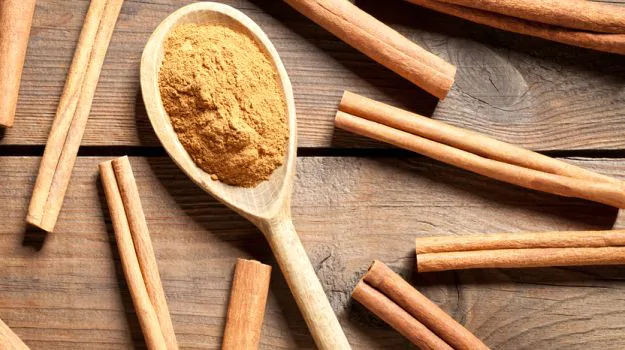
Cinnamon is an aromatic spice made from the inner bark of trees of the genus Cinnamomum. After harvesting, the bark is dried and rolled into thin sticks or ground into powder. It has been used for thousands of years in cooking and in traditional medicine, especially in connection with digestion and appetite. The two best-known kinds are the milder Ceylon (true) cinnamon, with a lower coumarin content and suitable for regular use, and the stronger Cassia cinnamon, which is cheaper and more common, but is better used sparingly.
What its history is
In the past, cinnamon was very valuable. In Egypt it was used in various religious practices. The ancient Egyptians used it above all in embalming. In medieval Europe it was used in religious ceremonies, but also as a flavouring.
It is very likely that cinnamon was one of the oldest spices used in the world. It is even mentioned several times in the Bible.
Physicians in the Middle Ages used cinnamon for coughs, hoarseness and sore throats.
The difference between Ceylon and Cassia cinnamon
There are two different types of cinnamon that almost every good cook knows.
- Cassia cinnamon
One variety is Cassia cinnamon, which is denser and darker than Ceylon cinnamon. It contains 7 to 8 milligrams of coumarin per teaspoon. In large amounts coumarin can be toxic, which is exactly why you should not take this type of cinnamon in larger quantities. Cassia cinnamon is usually imported from Indonesia, China and Vietnam.
- Ceylon cinnamon
Ceylon cinnamon contains a higher concentration of oil and therefore has a more distinctive taste than Cassia cinnamon. It is imported from India and Sri Lanka. This type of cinnamon is the one most used in Europe. Sticks of Ceylon cinnamon are made by rolling up several layers of the inner bark of the cinnamon tree. Ceylon cinnamon is well suited to flavouring baked goods and dishes.
It contains far less coumarin than Cassia cinnamon, and **is therefore more suitable for long-term use in higher doses**. Consuming coumarin in large amounts could be toxic to the liver. **It is precisely because of the lower coumarin content and the mild taste that we at Powerlogy prefer Ceylon cinnamon in our recipes and products. It is suitable for regular use in porridges, coffee, granola and desserts.**
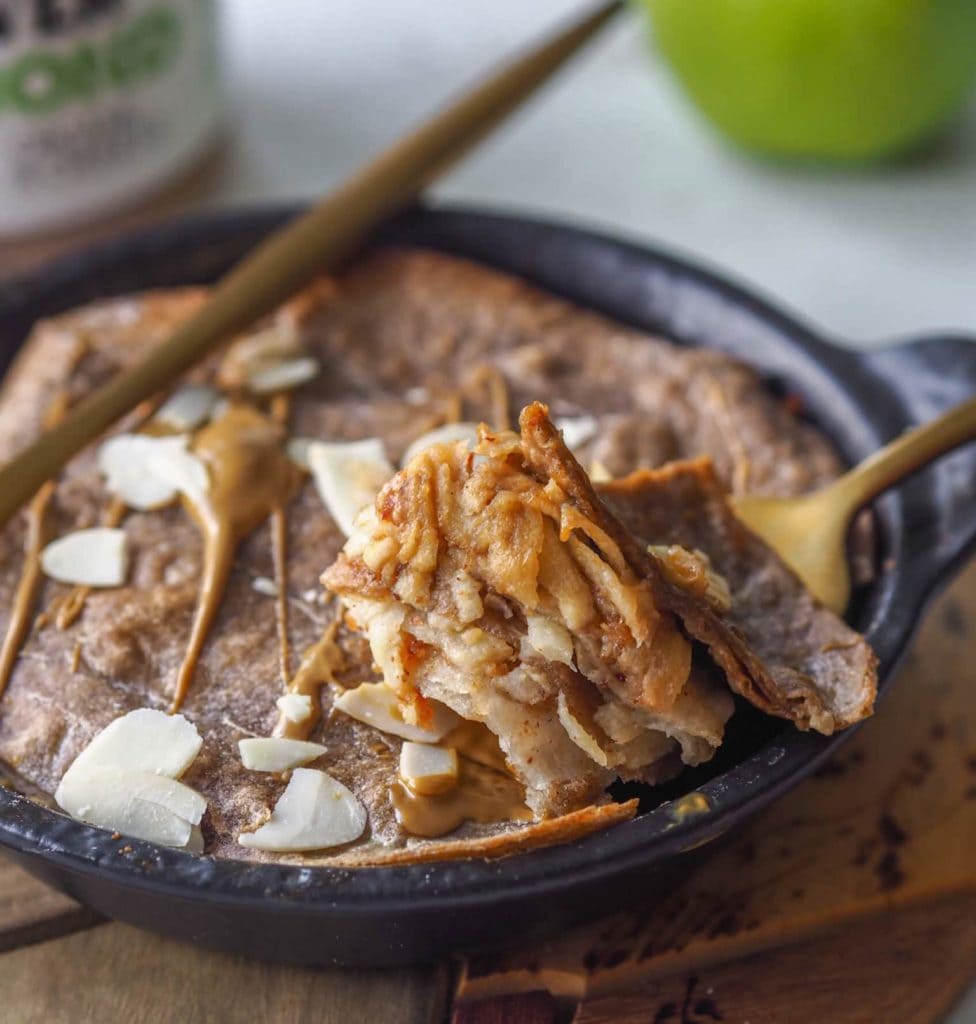
Try adding Ceylon cinnamon to your favourite dishes and see for yourself that, alongside its qualities, it will surprise you with its delicious taste. **We used it in a wholesome bread-and-apple bake, in the tried-and-tested combination with apples and Powerlogy almond butter.** You will find the recipe HERE.
- Ground and whole cinnamon
If you want to add cinnamon to food, we recommend choosing ground cinnamon. A stick is **more practical for making drinks**, but it is harder to measure how many milligrams you consume. **You can simply measure the powder out by the teaspoon** and so avoid side effects from higher consumption.
The nutritional values found in cinnamon
Cinnamon contains a large number of important nutrients and vitamins. These are the approximate nutritional values contained in a teaspoon of cinnamon:
- 26 milligrams of calcium,
- 11 milligrams of potassium,
- 2.1 grams of carbohydrates,
- 1.56 milligrams of magnesium,
- 1.66 milligrams of phosphorus,
- 0.39 milligrams of vitamin A.
**Thanks to these nutrients, cinnamon fits beautifully into the idea of functional nutrition. At Powerlogy we use it in recipes and snacks so that it supports flavour and helps us use less refined sugar.**
What research says about cinnamon
Cinnamon has been used in traditional medicine for centuries, and today some research is exploring how it may relate to our health. Read about what studies have looked at and how to use cinnamon.
- Antioxidant compounds
Cinnamon contains antioxidant compounds such as **phenolic acid, polyphenols and flavonoids**.
Antioxidants are studied for the way they **act on free radicals**. In one study, antioxidants in cinnamon were associated with lower accumulation of nitric oxide in the blood.
Further studies have associated antioxidants in cinnamon with reduced markers of oxidative stress.
- Antimicrobial properties
Cinnamon has been studied in relation to **fungal, viral and bacterial organisms**. That is exactly why many foods were flavoured with cinnamon in the past. It lowered the likelihood of them spoiling.
- Cinnamon when you have a cold:
If you have a cold or flu, make yourself a warm cinnamon drink. Pour boiling water over 1 cinnamon stick and let the drink cool. Then sip it slowly. You can sweeten it with honey.
- What laboratory research has looked at
There are many studies that have explored compounds in cinnamon in cell and animal models. Further research is needed before any conclusions can be drawn, but studies in animals report associations that researchers continue to investigate.
- Cinnamon and cholesterol levels
Heart disease is among the most common causes of premature death, which is exactly why research pays it more attention. Studies have associated compounds in cinnamon with **lower levels of “bad” cholesterol**, while levels of “good” cholesterol stayed stable.
A recent review study concluded that these associations were seen in people consuming a dose of **120 mg a day**. In the same study, higher levels of “good” cholesterol were also recorded.
In another study carried out in animals, cinnamon was associated with lower blood pressure. Cinnamon has also been studied for its antioxidant properties in relation to the health of the arteries.
- Cinnamon and blood sugar levels
If you fancy something sweet, choose a baked treat flavoured with cinnamon.
Ayurvedic practitioners have used cinnamon in connection with blood sugar for centuries. Some studies have looked at this association.
In a large study involving 543 patients, cinnamon taken at a dose of 120 mg a day for 4 months was associated with a **statistical reduction in glucose levels**.
However, in another study carried out on 70 patients with type 2 diabetes, no significant difference in blood sugar levels was found after taking cinnamon compared with patients who took a placebo.
Further studies are therefore needed before any conclusion can be drawn.
- Cinnamon and cravings:
Besides eating cinnamon, you can also try inhaling cinnamon essential oil. Just drop a few drops into a diffuser, or mix it with water and make a spray. Breathing in the sweet cinnamon scent may help you deal with a craving for something sweet.
- A traditional aphrodisiac
In Eastern medicine cinnamon is sometimes recommended in matters of intimacy. This is not confirmed by research, though it is quite possible that the sweet scent of cinnamon simply appeals to the senses.
- Cinnamon in a lighter diet
Cinnamon can be a useful tool when you are watching what you eat, thanks to its association with balanced blood sugar levels. Its sweet aroma can also help **curb cravings for sweet things**.
Unstable blood sugar levels often lead to overeating, lower energy and weight gain. By adding cinnamon to everyday dishes you can add flavour without extra sugar. **In practice that might look like having yoghurt with fruit sprinkled with Ceylon cinnamon and a little good-quality nut cream instead of a classic sweet. You will find this type of combination in Powerlogy recipes and products too, where cinnamon helps reduce the need for refined sugar.**
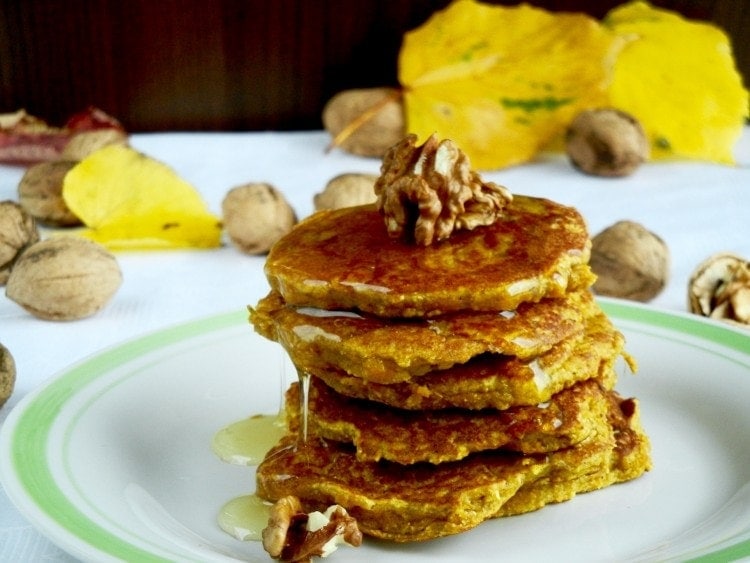
**Our tip:** If you want to change your eating habits, or you have decided to cut back on refined sugars or leave them out and are looking for tasty, wholesome ways to replace them, we recommend our **recipe for quick cinnamon pancakes, ideal for breakfast.** You will find the recipe HERE.
- Cinnamon in skincare
Cinnamon has antiseptic properties and is a traditional ingredient in home skincare recipes. Creams made with cinnamon are popular for congested skin.
Using cinnamon in a home face mask:
Mix **1 teaspoon of cinnamon powder** and **3 tablespoons of honey**. Apply this mixture to the part of the skin where blemishes appear. You need to apply the mixture with clean hands or using gloves. Leave it on the skin for **20 minutes** and then wash it off with warm water. This treatment is quite strong, so it is not suitable to use more often than once a week.
- Cinnamon and cognitive function
Most foods high in antioxidants, cinnamon among them, are studied in connection with brain function.
Studies in animals have associated cinnamon with **protecting neurons from oxidative stress**.
- Freshening your breath
Another great thing about cinnamon is that it can freshen the breath. Chewing cinnamon gum effectively helps remove odours from the mouth.
- Using cinnamon to freshen your breath:
Besides chewing gum, you can also make your own mouthwash. **Take a small pan and pour in ½ litre of water. When the water boils, add 5 cinnamon sticks and simmer the liquid. Once the brew has cooled, remove the cinnamon** and use the liquid as a mouthwash.
- Cinnamon in hair care
Cinnamon is a popular ingredient in home hair masks, where it is used for its warming feel on **the scalp**.
- Using cinnamon in a hair mask:
Mix **1 teaspoon of ground cinnamon with 1 tablespoon of honey and a cup of coconut oil**. Combine the ingredients into a paste. Massage this paste into the scalp and leave it on for **20 minutes**. After 20 minutes, wash your hair with a gentle shampoo and let it dry without a hairdryer.
- Cinnamon in lip care
Cinnamon has a warming, tingling feel on the lips, which is why it appears in home lip-care recipes.
- Using cinnamon in a lip balm:
**Mix a few pinches of cinnamon with petroleum jelly to make a paste, which you apply to the lips. Leave this paste on for about 10 minutes and then wash it off. **If you make your own lip balm at home, you can add a little cinnamon essential oil to your original recipe.
- Using cinnamon essential oil
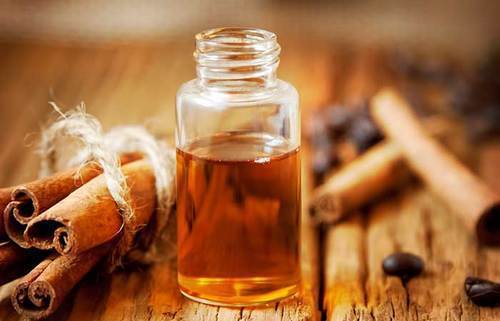
Besides ordinary cinnamon, cinnamon essential oil is also widely used. It is most often used as an ingredient in natural cosmetics. Read some of the practical uses of this little wonder.
- A scent for focus
If you need to study for exams or concentrate on an important task at work, try the pleasant scent of cinnamon.
**Before you start work on the task, drop 2 to 3 drops of cinnamon essential oil into a diffuser.**
- A natural cleaner
Cinnamon essential oil is **antimicrobial**, so it is effective at removing bacteria from surfaces.
**Mix a cup of water with a few drops of cinnamon essential oil in a spray bottle.** Then use it to clean the kitchen sink or the bathroom.
- A natural repellent
Cinnamon oil can help keep mosquitoes, flies and other insects out of your home. It probably will not be as effective as a chemical repellent. It is an alternative that is **gentler on you and on nature.**
**Mix water with a few drops of cinnamon oil in a spray bottle and spray all the rooms you want to protect from insects.**
Is cinnamon safe?
Taking a reasonable amount of cinnamon a day should be perfectly safe. If, however, you take cinnamon in larger amounts over a long period, side effects may appear.
Possible side effects of cinnamon
- Irritation
Cinnamon belongs to the group of strong spices and can therefore cause irritation of the mouth and lips. Some people are even allergic to cinnamon and it can cause redness and irritation on the skin.
- Toxicity
Taking cinnamon in high doses can be toxic. That applies especially to people who have **liver problems**. Cinnamon contains coumarin. Coumarin is a substance that can be harmful to the liver. Ordinary products containing cinnamon should be safe, but people with liver disease should be careful about increased cinnamon consumption.
- Take care when combining cinnamon with medicines
If you regularly take medicines such as antibiotics, heart medication or diabetes medication, we recommend talking to your doctor about consuming larger amounts of cinnamon.
Is cinnamon safe in pregnancy?
Ordinary consumption of cinnamon during pregnancy is safe. If you want to take it in larger amounts, however, there is a higher risk of side effects. These may include, for example, **stomach problems and liver problems**.
There are as yet no official guidelines on how much cinnamon it is appropriate to take during pregnancy. Moderation is key, and consuming cinnamon to flavour food should do you no harm.
Moderate consumption of cinnamon during pregnancy has been discussed in connection with:
**The immune system**
Pregnancy can weaken your immune system, and in this state a woman’s body is more susceptible to common illnesses such as flu and colds. Cinnamon is **a source of antioxidants**.
**Blood sugar levels**
There are many cases where a woman’s body does not produce enough insulin during pregnancy. This can cause unstable blood sugar levels.
Polyphenols in cinnamon have been **associated with blood sugar regulation** through insulin sensitivity.
There are as yet not enough studies on whether taking cinnamon in larger amounts during pregnancy is safe. That is exactly why we recommend talking to your doctor about consuming cinnamon.
Recommendations
Cinnamon has been studied in a very wide range of areas. This spice has been **valued in traditional medicine for centuries** and was used in connection with various acute and chronic conditions. For clear results we will, however, have to wait. More detailed studies are still needed.
If you want to start taking a higher amount of cinnamon but are not sure whether it is safe for you, talk to a healthcare provider. Pregnant and breastfeeding women, patients with liver problems and people who take medicines regularly should be especially careful.
Summary
- Cinnamon spice is obtained from the dried inner bark of the Ceylon cinnamon tree.
- Cinnamon has been used in traditional Eastern medicine for centuries.
- Cinnamon has been studied in connection with antioxidant activity and blood sugar levels, and it is a popular ingredient in home hair and skin care.
- You can use cinnamon essential oil as a natural repellent or cleaner.
- Taking cinnamon in a reasonable amount is safe. Some groups of people should avoid higher intakes or seek advice from a doctor.
- Side effects of cinnamon may include irritation and toxicity.
**If you want to bring cinnamon into everyday life, start with small changes in the kitchen. Add it to porridge, coffee, yoghurt or wholesome desserts and see how the taste and the feeling after eating change. At Powerlogy we build on quality Ceylon cinnamon and recipes without unnecessary sugar, so you can enjoy it simply and safely.**


Comments
There are no comments yet.