

Updated in April 2024.
In our first article on histamine intolerance we touched only briefly on some high-histamine foods, and we agreed the subject deserved a fuller overview. At the same time we will answer the most frequently asked questions about food, which people with this diagnosis usually find confusing.
What to avoid?
- Ready meals and convenience foods, without question!
- Then there are fermented foods – matured cheeses, cultured dairy products (kefir, yoghurts, bryndza…), cured meats, leavened bread, fermented vegetables, overripe fruit or vegetables starting to spoil (cutting a piece out is not enough, it can already harm someone with histamine intolerance), vinegars (balsamic, apple cider, wine…) and products made from them such as mustard, ketchup, wine (red in particular) and beer.
- Foods that are naturally higher in histamine – tomatoes, spinach, avocado, aubergine.
- Histamine liberators and major allergens – strawberries, citrus, pineapple, poor-quality chocolate and cacao.
HOWEVER! Foods from the last 2 categories do not have to be excluded permanently; many people with histamine intolerance tolerate them well after a while in small amounts. Not everyone will tolerate them, and not all of the foods mentioned. What matters is not being afraid to try and test. Perhaps you will manage a handful of fresh spinach leaves and 2-3 cherry tomatoes from your own garden but not strawberries. Perhaps 2-3 strawberries from the garden will suit you but tomatoes stay completely off limits. It is very individual and depends mainly on quantity, quality, the combination with other foods, and also on a person’s individual associated conditions.
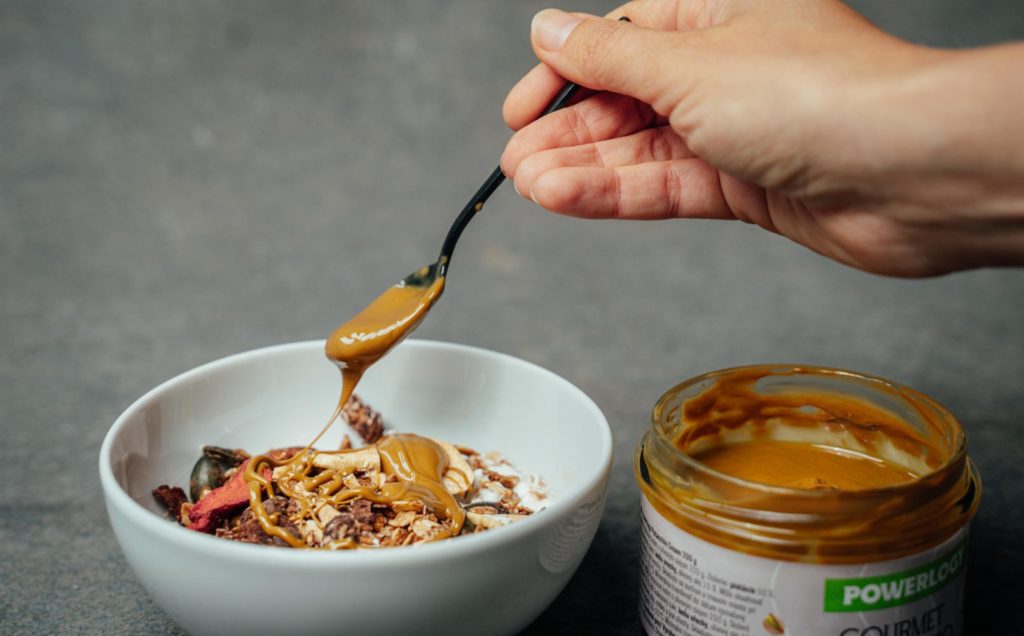
Forest fruit and pistachio cream, for example, complement each other beautifully. Will you try our recipe for a burrito with collagen?
Foods from the second group are far more open to question. But it is also not a rule that someone with histamine intolerance can never eat them, even in a small amount. Many people manage, after a time, their own home-baked sourdough bread, from time to time a small amount of quality apple cider vinegar in a salad dressing, a slice of Italian prosciutto or quality young wine (although it is best to choose a low-histamine wine, which we also have in our range). We would only recommend these foods to the more advanced, though — to people who already know their body and their state of health well enough that they can judge when they can afford them.
There is probably no need to discuss the first group. We recommend avoiding convenience foods even to healthy people without any intolerances. These days a poor lifestyle and low-quality food go hand in hand with the intolerances that arise.
Histamine content in foods
On the internet you will find several tables dealing with the histamine content of foods. Of course, processed convenience foods are the most problematic, but the histamine content of other foods is closely tied to their origin and how they were processed and stored. So treat the values in any table only as a hint; the real value may be entirely different.
It still holds that no two people with histamine intolerance are alike and you have to test everything on your own body. Advice on histamine-free meals will not help you, nor will tables of histamine content in foods. At the start the eating regime is stricter and over time you find out which foods you react to more and which less.
Still have not answered all the questions about food and HIT? Let’s answer them now, then.
Is it true that with HIT you must not eat meat?
No, that is not true! The only meat you should avoid is meat that is poor quality and not from a verified source. And above all not chilled meat that has been sitting in supermarket chiller cabinets for several days. For a „normal“ person, 2-day-old chicken in the fridge is still fresh; for someone with histamine intolerance, not quite.
Try our nutty chicken – a recipe built around simple, single-ingredient basics.
Is it true that gluten has to be excluded with HIT?
Partly yes, partly no. It is recommended to exclude gluten for the first month of the elimination diet. After that only wheat flour, since wheat gluten is considered a liberator. Spelt, rye or oats, however, are commonly used by people with histamine intolerance. This does not apply, of course, if you have coeliac disease or have been diagnosed with gluten intolerance. But if it causes you no trouble, there is no reason to exclude gluten 100 %. We do recommend to everyone, with histamine intolerance or without, to reduce the amount of gluten in their diet. We consider a lower gluten intake one of the key aspects of a better lifestyle. So you can rely on the fact that all our foods are gluten-free.
And what about dairy products?
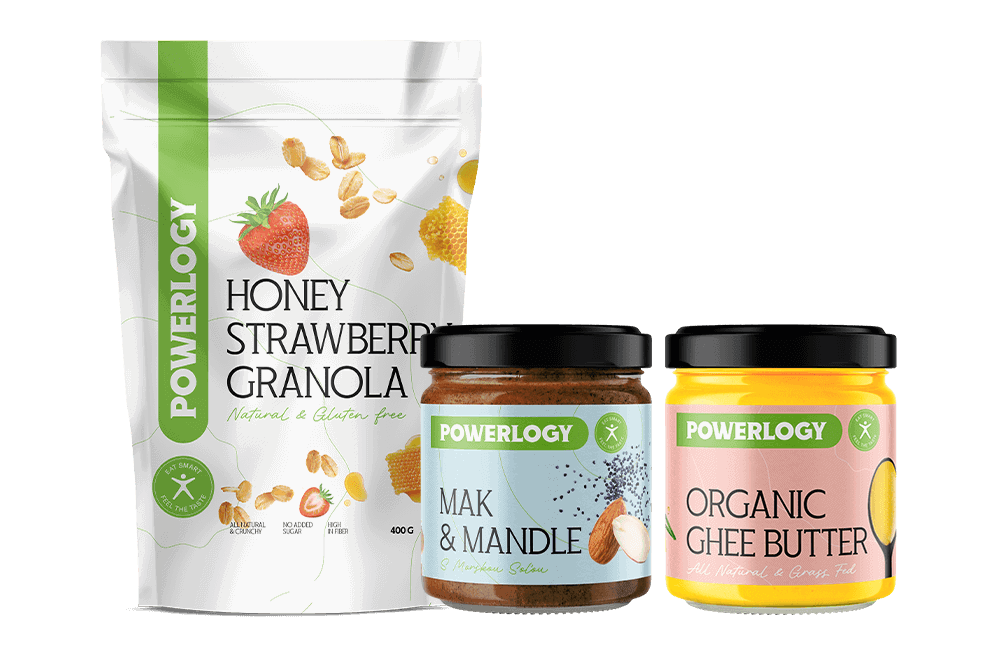
We mentioned fermented dairy products. Yes, those have to be excluded. But if you have no trouble with cow’s milk protein (casein), quality unmatured dairy products are absolutely fine for people with histamine intolerance. As with gluten, milk protein has to be excluded for at least the first month. It is one of the main allergens and it needs to be established whether it is the cause of the trouble. In that case it would be a condition associated with HIT, but we have written about that already. Ghee butter, for instance, contains neither casein nor lactose, so it is an option for people who also have an allergy to casein or lactose. Ideal as a quality cooking fat.
Can eggs be eaten with HIT?
Of course. Again just a reminder about allergy, so for the first month we exclude eggs alongside gluten and dairy, but there is no reason to exclude them long term. The only things to watch are freshness, the source (as with everything, really) and how well they are cooked. Someone with histamine intolerance should never use raw egg white (for example in desserts such as tiramisu or for decorating gingerbread). If you feel eggs sit heavily on your stomach, we suggest trying quail eggs, which are usually easier to digest.
Histamine and alcohol: do I have to give up beer or wine?
Alcohol is bad news for people with histamine intolerance and there is nothing to be done about it, because alcohol and histamine are faithful friends. Alcoholic drinks not only contain histamine, they also raise its levels in the body. The reason is the alcohol itself, which gets in the way of the enzymes that break histamine down.
If you want to allow yourself a glass of wine or another drink from time to time, be careful. There is no such thing as histamine-free alcohol, but thanks to better production methods you can now also find alcohol with a lower histamine content.
Those of you who are not also sensitive to sulphites have an advantage. You can allow yourselves a small amount of low-histamine wine. Check the composition; wines without any preservatives or flavourings are ideal. Sometimes you will find these wines labelled natural or naked. Lovers of red will be disappointed: red wine has several times more histamine than white.
Beer, like wine, is made by fermentation and you should not drink it. If an unstoppable craving hits you on a bike trip, choose a pale beer rather than a dark one.
What about fish with HIT?
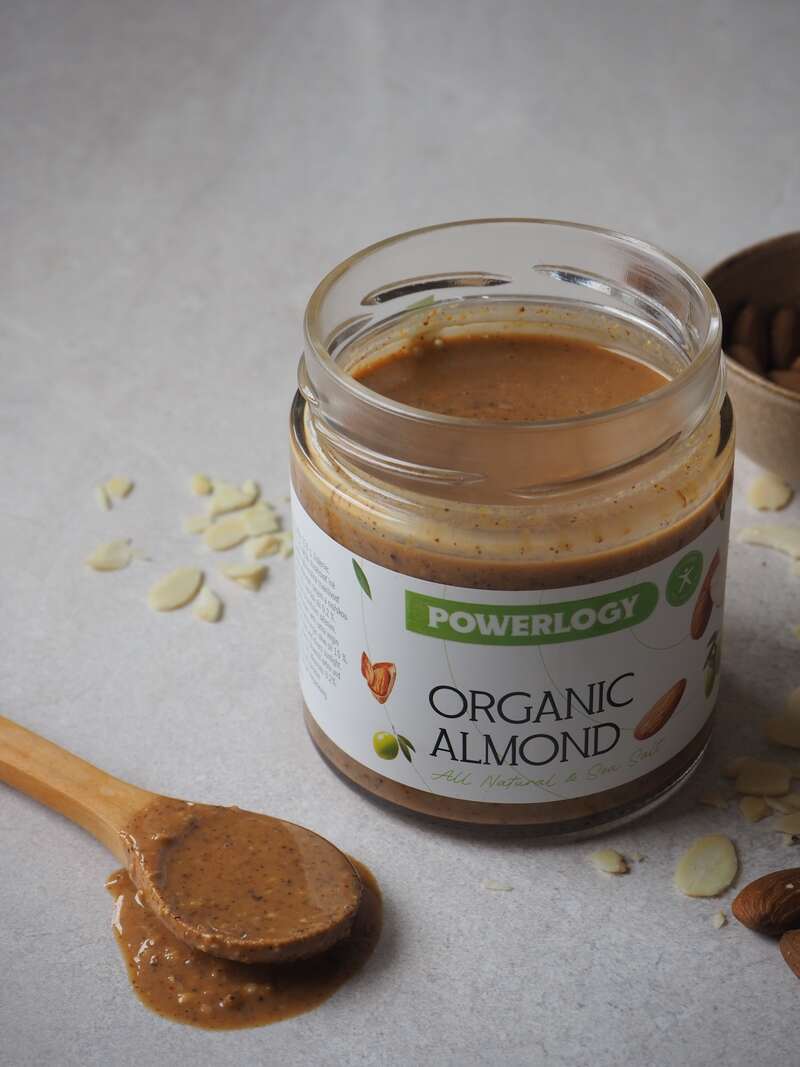
Fish are an important source of omega fatty acids, as you certainly know. But they are also prone to spoiling, which makes it especially important to know their source and above all their freshness. The best approach is to clean and freeze the fish once caught. Be careful with chilled fish, and if you buy it, choose whole fish, look at the eyes and check the freshness. In our capital there are now several sources through which you can get quality chilled fish. In smaller towns, try to find local hobby anglers. Nut creams also contain omega fatty acids. We particularly recommend our almond „butter“. It tastes divine and its clean composition makes it a distinctly functional food.
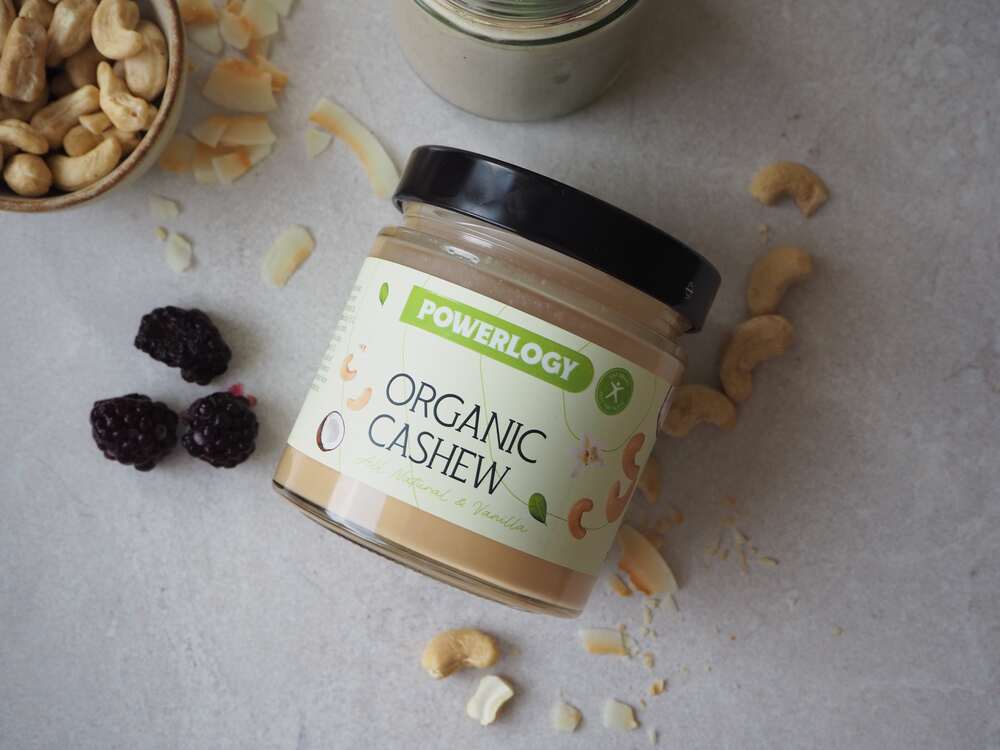
With Paťka, the author of this article, we also made a video recipe for a quick functional breakfast. Fruit porridge with MCT oil is made without gluten, lactose or casein!
Frozen fish were mentioned… so can people with histamine intolerance eat frozen food?
Why not? Quite the opposite. With HIT, freezing is the most suitable method. However! You need to watch out for commercial frozen foods – they may contain unnecessary additives, they may not be from a verified source and so on. But if you freeze meat yourself that you bought fresh that day, or freeze fruit and vegetables in summer, that is a safe way of storing food. Once frozen, histamine does not form. What is important to mention, though, is that histamine already formed is not destroyed by freezing. An example: if you freeze meat you buy in an ordinary chain that has been sitting there for 2-3 days, histamine has already formed in it. Freezing will not destroy it.
We hope today’s overview has helped you. If you feel one of your questions has gone unanswered, visit the blog of our ambassador Paťka – hitjezdravozit.sk – where you will find further information.


Comments
There are no comments yet.