
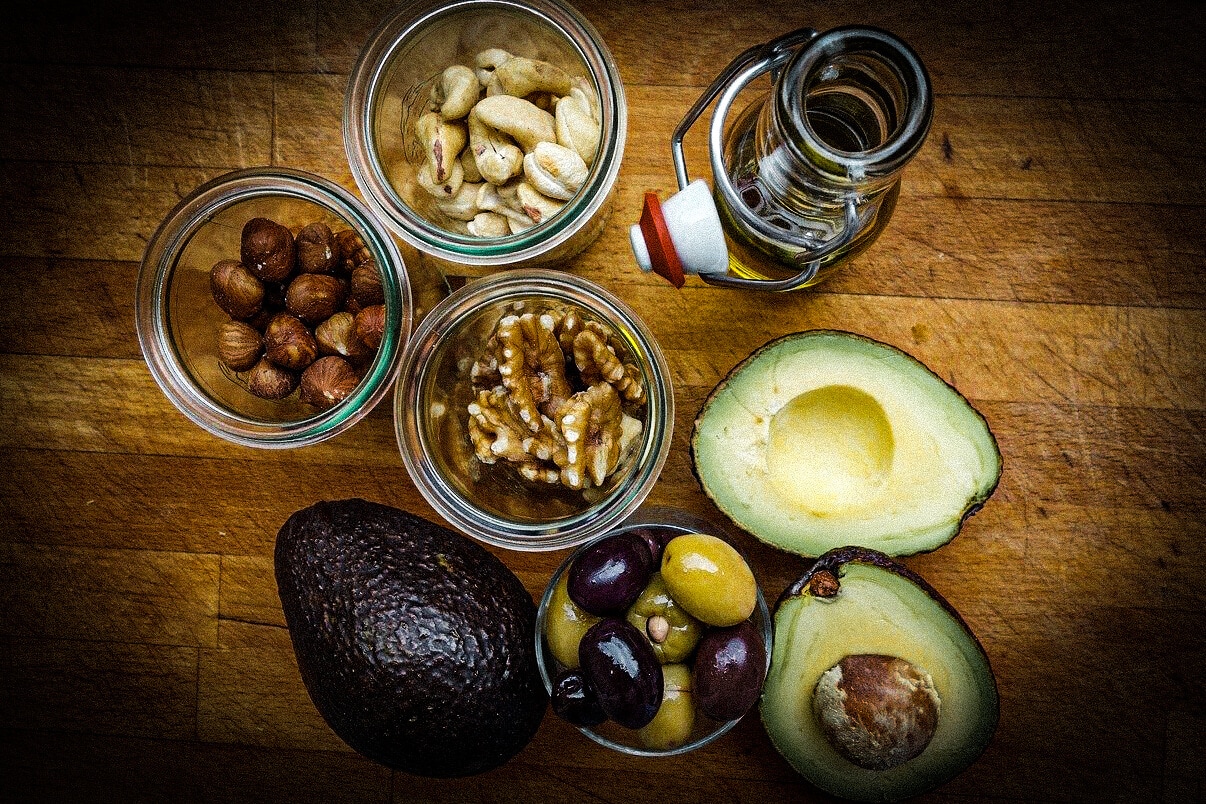
It is slowly becoming a habit that our articles deal more and more with controversial topics and often overturn established stereotypes that a great many people still believe. Fortunately, science and the experts who publish good-quality, trustworthy studies are on “our” side, so we can set things straight. The following article will be no exception. It contains plenty of stereotypes and controversies around the topic of fats. “Healthy fats” – a phrase that for the past few decades was not said out loud in the circles of proper fitness enthusiasts, nor even among seasoned experts on rational eating. What role do fats play in our body? Which fats benefit us and which benefit us less? And where did the whole demonisation of fats begin? You will find the answers to these questions in this article.
In this article you will read about:
- Fat and its role in our body
- How fat became the enemy of a healthy lifestyle
- Cholesterol, its roles and its influence on the human body
- Types of fat and the effects of eating them on our health
Why do we actually need fat and what role does it play?
The old, familiar and often repeated line: “A balanced diet made up of the right ratios of macronutrients is a very good foundation for solid health.” Macronutrients – that is proteins, carbohydrates and of course fats – all have their essential place in every dietary approach.
Besides the fact that fats are a rich source of energy (1 gram of fat = 9 kcal) they are essential for the body in the process of absorbing vitamins, specifically vitamins A, D and E. These vitamins are fat-soluble, which means they can only be absorbed with the help of fat. The presence of fat from the diet is essential in the formation of cells, cell membranes and the sheaths surrounding nerves. It is essential for blood clotting, muscle movement and a great many other functions.
From the above it is logical to conclude that fat is vitally important for our body. So how is it that fat is the most feared component of our food?
These days science is a little more advanced and humanity a little more aware, with the result that fat is no longer the bogeyman it once was. To be more exact, by “once” we mean the post-war period and the 1950s, when some scientists began to consider the idea that a shortage of foods containing saturated fatty acids (eggs, meat and so on) improved health in the area of cardiovascular disease. That led to various studies which did not reach entirely clear conclusions, but in 1977 the seven countries study (Italy, Greece, Yugoslavia, Finland, the Netherlands, Japan and the USA) saw the light of day; its conclusions, again not entirely clear-cut, suggested that increasing the intake of saturated fats in the diet influences total cholesterol. An increase in total cholesterol was therefore associated with a negative influence on mortality from heart disease over a ten-year period.
In the 1970s and 1980s, especially in the USA, programmes were launched aimed at improving the health of the population in relation to cardiovascular disease and obesity. And this period is a perfect example of how important it is to interpret scientists’ conclusions correctly, and of why incorrect conclusions and stereotypes arise in certain areas.
One example of less than ideal communication between scientists and the public in the area of nutrition is the continuing demonisation and general avoidance of fat in the diet. For years the emphasis was placed on correct interpretation in the area of nutrition, where the main idea was the balance between calorie intake and energy expenditure and reducing the amount of fat in the diet (because of the high energy value of fat). Reducing total fat in the diet was recommended in order to reduce the intake of saturated fats in particular and also to reduce total calorie intake. That was one of the main reasons why in 1980 low-fat, high-carbohydrate diets were recommended for weight loss and for improving cardiovascular health. All of this, however, led to undesirable consequences.
Avoiding fat in the diet led to increased consumption of refined carbohydrates and added sugars and to the exclusion of foods rich in healthy unsaturated fats, such as nuts, seeds, vegetable oils and so on. Fat consumption fell, but the percentage of carbohydrates in the diet rose, which was accompanied by a marked increase in total energy intake and in obesity rates, and not only in the United States. This trend continued for several decades, but recent studies suggest that fat is not to blame for all the world’s problems.
A 2010 meta-analysis showed that there are no relevant findings confirming that saturated fats in the diet are associated with an increased risk of cardiovascular disease. Of course, that is not the only scientific publication whose results favour a rational consumption of fats. The results of this 2015 study showed that there are no statistically significant results for reducing fat in the diet in relation to heart attack or stroke. On the other hand, it was found that replacing saturated fats with polyunsaturated fats led to a 27 % reduction in the risk of cardiovascular events.
The conclusions of another scientific publication from 2014 point to the same finding as the previous study, namely that reducing saturated fats in the diet has no effect on complications related to cardiovascular disease. Eating saturated fats is not associated with an increased risk of heart disease or with an increased risk of type 2 diabetes. There is similar agreement that replacing saturated fats with polyunsaturated or monounsaturated fats may lower concentrations of LDL (bad) cholesterol in the blood. That in turn may reduce the risk of cardiovascular disease, though mainly in men. On the other hand, replacing saturated fats with refined carbohydrates may increase the risk of cardiovascular disease. Once again we come to the conclusion that what matters is a rational diet containing several sources of fat, which can bring us different benefits. On the other hand, the choice and combination as well as excessive consumption of the wrong sources of fat may carry certain risks for us.
It all comes down to cholesterol
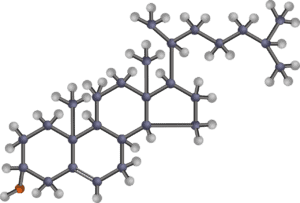
Even though cholesterol does not have the best reputation and is seen as a silent killer, its function in our body is irreplaceable. Put simply, cholesterol is a waxy compound that serves as one of the basic building blocks of cell membranes. Cholesterol is also needed for the synthesis of vitamin D, hormones (testosterone and oestrogen) and fat-dissolving bile acids. The production of cholesterol is in fact so important that our liver and intestines produce about 80 % of the cholesterol we need for the body to function optimally. Only roughly 20 % of cholesterol comes from the food we eat.
Cholesterol and other lipids are found in the blood in several different forms. The one that attracts the most attention is low-density lipoprotein – known as LDL or “bad” cholesterol. But lipoproteins come in different shapes and sizes and each has its own specific roles. They can transform from one form into another.
These are the five main types:
- Chylomicrons are the largest particles, carrying triglycerides (fatty acids from food) and cholesterol from the intestines to the tissues.
- Very low-density lipoproteins (VLDL) also transport triglycerides to the tissues, but are synthesised in the liver. When the body extracts fatty acids from VLDL, these particles turn into intermediate-density lipoproteins and, with further extraction, into LDL particles.
- Intermediate-density lipoproteins (IDL) are formed when fatty acids are extracted from VLDL by the body. Some are quickly removed in the liver and some turn into low-density lipoproteins (LDL).
- Low-density lipoproteins (LDL) are even richer in pure cholesterol, because most of the triglycerides they carried are gone. LDL is known as “bad” cholesterol because it delivers cholesterol to the tissues and is strongly associated with the build-up of plaque that clogs and eventually blocks the arteries.
- High-density lipoproteins (HDL) are also called “good” cholesterol, because they remove cholesterol from the circulation and from the artery walls and take excess cholesterol away to the liver.
The good, the bad and the other fats
Fat molecules are made up of glycerol and fatty acids, which can be saturated, monounsaturated or polyunsaturated.
Unsaturated fats
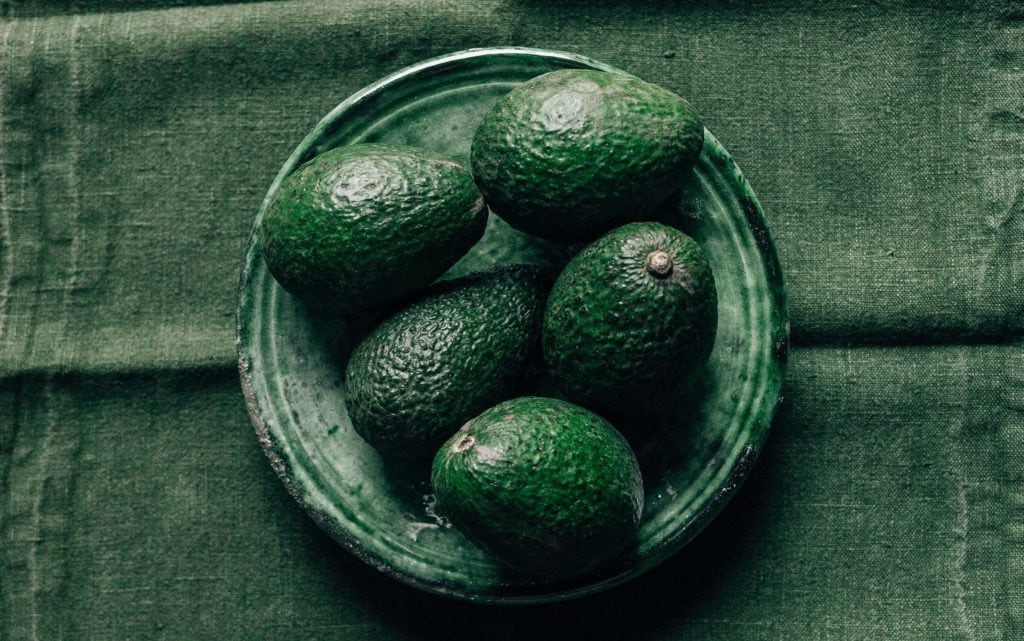
Unsaturated, or on the basis of current studies also called good fats.
The main source of good unsaturated fats is oils, nuts, seeds and fish. They differ from saturated fats in having fewer hydrogen atoms attached to their carbon chains. Unsaturated fatty acids have one or more double bonds (carbon-carbon), which prevent a large number of hydrogen atoms from attaching to them. The term unsaturated means that fewer than the maximum possible number of hydrogen atoms is attached to each carbon in the molecule. Healthy fats are liquid at room temperature, not solid as saturated fats are.
Monounsaturated fatty acids
Monounsaturated fatty acids, or MUFA for short, are a type of unsaturated fatty acid, where the word “Mono” in their name means one. As indicated above, monounsaturated fatty acids have only one double bond.
A recent study showed that replacing 5 % of energy intake from saturated fats with monounsaturated fats was associated with a 15 % lower risk of cardiovascular disease. The data in this study also suggest that taking in MUFA from plant sources is even more effective. This finding, however, needs to be confirmed by further research.
Recent scientific and clinical findings support the hypothesis that taking in unsaturated fatty acids of plant origin and from fish reduces cardiometabolic risk factors. Most experts agree that Mediterranean-style eating is a healthy way of eating, mainly because of its unsaturated fatty acid content. The Mediterranean diet is usually rich in unsaturated fatty acids with a relatively high share of calories (usually 35–40 % of energy intake), with a large part of these unsaturated fatty acids coming from plants, seafood and vegetable oils. Mediterranean-style diets emphasise eating fruit, vegetables, pulses, fish, nuts and olive oil. The experts in this study, whose observation ran for almost 5 years, concluded that eating a Mediterranean diet supplemented with either extra virgin olive oil or nuts was associated with a 30 % reduction in the risk of myocardial infarction, stroke or death.
Sources of monounsaturated fats:
- Olive oil
- Nuts – almonds, pecans or cashews
- Avocado
- Nut butters
- Olives
Polyunsaturated fats
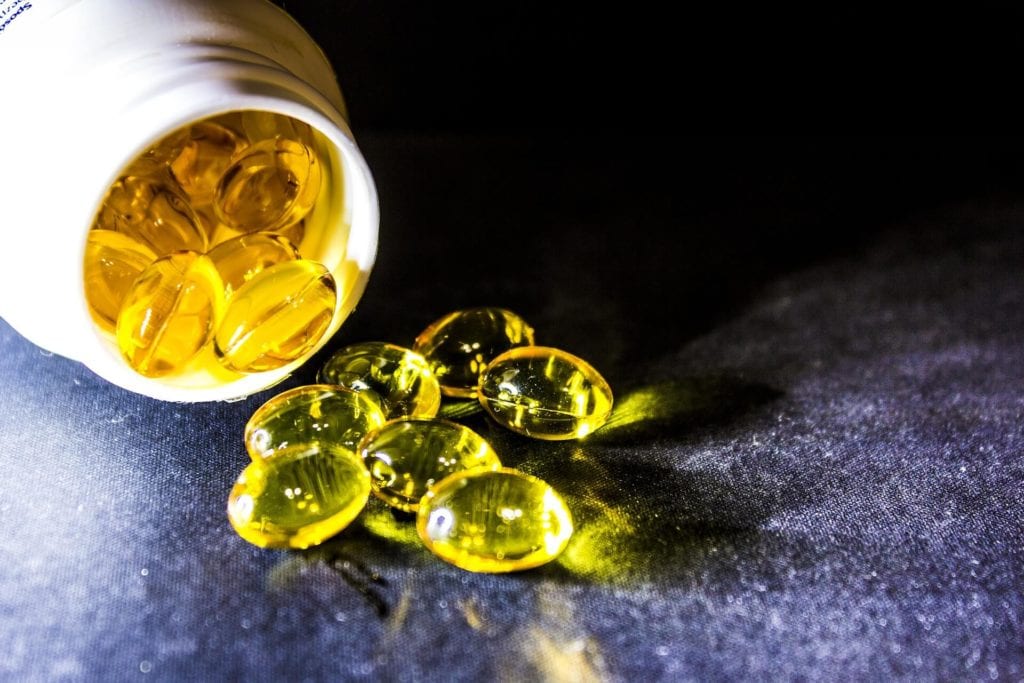
Polyunsaturated fats/polyunsaturated fatty acids are essential and are needed for the optimal functioning of the human body, yet the body cannot produce them. To keep bodily functions running, we have to take polyunsaturated fats in from food.
Polyunsaturated fat has two or more double bonds in its carbon chain. The two best-known main types of polyunsaturated fats are: omega-3 fatty acids and omega-6 fatty acids. The numbers in their names indicate the distance between the start of the carbon chain and the first double bond.
Omega-3 fatty acids are an integral part of cell membranes. They are also involved in the formation of hormones that regulate blood clotting, the contraction and relaxation of artery walls, and they also regulate inflammation in the body. Probably because of these effects, omega-3 fats have been associated with a lower risk of heart disease and stroke, which this study also indicates.
The three main omega-3 fatty acids are alpha-linolenic acid (ALA), eicosapentaenoic acid (EPA) and docosahexaenoic acid (DHA). ALA is found mainly in vegetable oils such as flaxseed, soybean and rapeseed oils. DHA and EPA are found in fish and other seafood.
These fatty acids have a positive influence on a great many bodily functions. Scientific publications have associated omega-3 fatty acids with improvements in eczema and rheumatoid arthritis and with a lower risk of cancer and other diseases.
Omega-6 fatty acids are essential fatty acids that we obtain mainly from vegetable oils. They lower harmful LDL cholesterol and raise HDL cholesterol, which has positive effects. Omega-6 also helps keep blood sugar under control by improving the body’s sensitivity to insulin. Even so, these fats do not enjoy the same popularity as omega-3 fatty acids.
The main argument against omega-6 is that the body can convert the most common one, linoleic acid, into another fatty acid called arachidonic acid, and arachidonic acid is a building block for molecules that can promote inflammation, blood clotting and narrowing of the blood vessels. On the other hand, the body also converts arachidonic acid into molecules that calm inflammation and fight blood clots.
Here too it holds that a balanced, rational diet matters and that it is necessary to increase the intake of omega-3 fatty acids in relation to omega-6 fatty acids.
- Omega-3 fatty acids are found mainly in oily fish such as salmon, mackerel and sardines, and in nuts.
- Omega-6 is found mainly in sunflower and corn oil and in some nuts, for example walnuts.
If you do not want to see food only as a source of calories, however, an excellent and very tasty source of omega-6 fatty acids is nuts, and especially nut butters, such as this almond butter.
Saturated fats
The word saturated in their name means that all the carbon atoms are joined to each other by single bonds and that the maximum possible number of hydrogen atoms is attached to each carbon. The most common fatty acids in these fats are: lauric acid (12:0), myristic acid (14:0), palmitic acid (16:0) and stearic acid (18:0). The numbers indicate the total number of carbon atoms, and the zero after the colon means that these fatty acids contain no double bond.
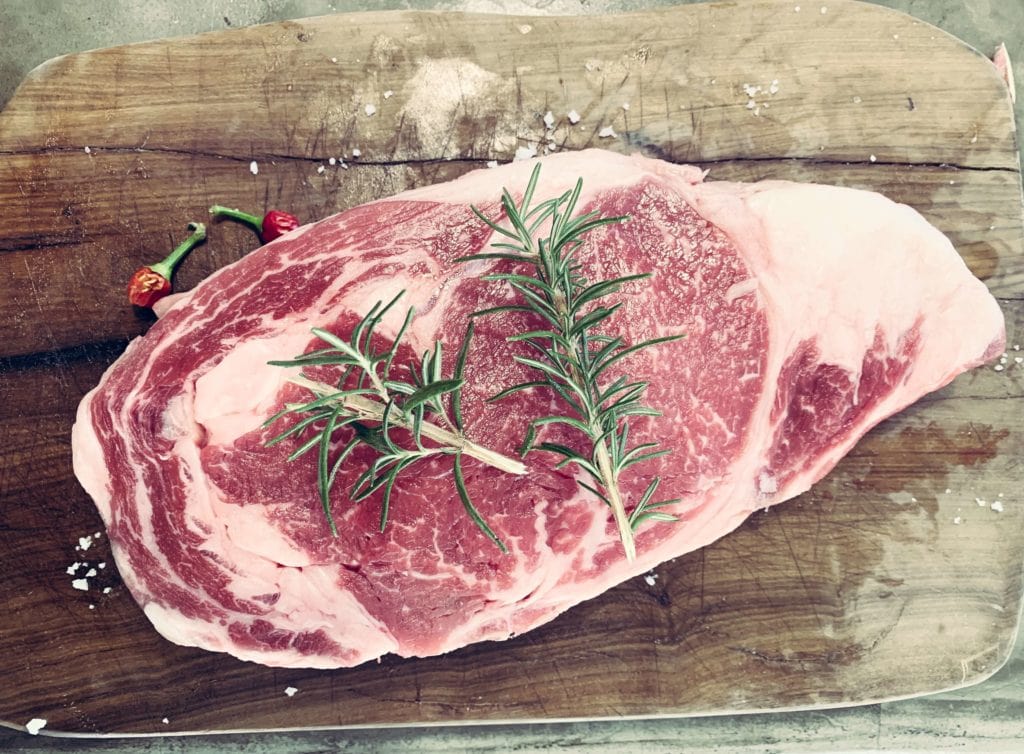
Their main source is mainly foods of animal origin such as meat, meat products, full-fat dairy products – butter, cream – coconut oil, palm oil and, for example, dark chocolate. The impact, or influence, of these fats on the body was discussed in the previous sections of this article. Here too, let us not forget the general recommendation not to overdo it.
Also worth mentioning is MCT oil, which contains the medium-chain saturated fatty acid caprylic acid (8-12 carbons). These fatty acids are considered one of the most efficient sources of energy for the brain and muscles. Their metabolic pathway is very fast and, without burdening the gall bladder, they are converted straight into ketones in the liver. Those can then be used as a source of energy not only by the muscles but also by the brain.
It is generally known that sources of saturated fatty acids are largely of animal origin. An excellent alternative to classic butter is clarified butter, more often called ghee, which has an excellent composition of individual fatty acids. At the same time, if it is processed and made from milk from cows described as grass fed, ghee is an excellent source of omega-3 fatty acids.
Trans fats
Trans fats or trans fatty acids are one of the forms of unsaturated fats. They can be of natural or artificial industrial origin.
Natural trans fats occur in the meat and dairy products of ruminants such as cattle, sheep or goats. They are formed in the stomachs of these animals during the digestion of food, most often grass. These trans fatty acids are found in the fat in dairy products as well as in the fat in the meat of the animals mentioned. Older scientific studies already suggest that a moderate intake of these fats does not appear to be harmful. The best-known trans fatty acid is without doubt conjugated linoleic acid, which is found in the milk fat of ruminants and is beneficial for our body, as a great many scientific publications indicate.
Artificial trans fats, or industrial fats, are however harmful to health. In industry these fats arise during the chemical process of hydrogenation, in which vegetable oils are enriched with hydrogen. This process changes the chemical structure of the oils, which shows itself as a change of state from liquid to solid.
Eating foods rich in this type of fat increases the amount of harmful LDL cholesterol in the blood and lowers the level of HDL cholesterol. Trans fats also cause inflammation, which is associated with heart disease, stroke, diabetes and other chronic diseases. They also contribute to insulin resistance, which increases the risk of developing type 2 diabetes.
A list of foods with the highest content of harmful trans fats:
- hydrogenated fats and butters: hydrogenated cooking fat, edible vegetable fat, some margarines and baking fats, hard margarines, baking fats, various fat spreads,
- dried convenience foods: instant soups and dried meal mixes,
- fast food: hamburgers, chips, fornetti and other puff-pastry products,
- frozen foods: some fish fingers, ready meals, pizza, cakes, gateaux, puff pastry, waffles,
- bakery and confectionery products: fat-filled wafers, cakes and biscuits, doughnuts, cream desserts, tortillas, puff-pastry products and cheap chocolates.
- Other foods that do not state the source of their fat.
The food we eat every day is not just empty calories or a pleasure for the taste buds, but fuel and at the same time the primary component that lays firm foundations for the optimal functioning of our body. That is why it is very important to pay attention to the quality of the food and the macronutrients the diet contains. The long-held belief that all fats are harmful is convincingly disproved by the information in this article, which comes from accessible and verified sources. Fats are not a macronutrient to be feared because of their calorie load. It is only important to choose the right amount and type of fat we take in with our food. With this information the choice will be a little easier again. And as you have probably guessed, you will find inspiration for nutritionally balanced recipes on our blog too.
Summary
- Besides the fact that fats are a rich source of energy (1 gram of fat = 9 kcal.), they are essential for the body in the process of absorbing vitamins. We mean vitamins A, D and E.
- A meta-analysis from 2010 showed that there are no relevant findings confirming that saturated fats in the diet are associated with an increased risk of cardiovascular disease.
- The production of cholesterol is in fact so important that our liver and intestines produce about 80 % of the cholesterol we need for the body to function optimally. Only roughly 20 % of cholesterol comes from the food we eat.
- Fat molecules are made up of glycerol and fatty acids, which can be saturated, monounsaturated or polyunsaturated.
- Fats are not a macronutrient to be feared because of their calorie load. It is important to choose the right amount and type of fat we take in with our food.


Comments
There are no comments yet.