
Almost everyone likes chocolate, but not all chocolate is the same. The British Times compared real natural cacao to “instant therapy”. People in the world’s innovative gastro capitals such as San Francisco, New York, Berlin, Amsterdam and Tokyo are increasingly seeking out real chocolate in various forms. Whether it is the classic indigenous approach of a hot, even ceremonial drink without sugar, or the healthier sweets that real chocolates above 70 % are becoming. Do you know the difference between chocolate and cacao, and what modern science is discovering about it?
What you will find out in the article:
- A brief history and origin of cacao and chocolate
- The processing and the active substances in cacao
- The effects associated with cacao – physical, psychological and energetic
- How to make your own cacao energy ritual at home
Why cacao is called the food of the gods and how far back its history goes
The wonder called cacao was discovered by Mesoamerican cultures as long as 3,500 years ago. The official name of the cacao tree is theobroma cacao, composed of the Greek roots theo (“god”) and broma (“food”), which we interpret as “food of the gods”. The name comes from an interpretation of how the Aztecs spoke about this crop, because it was evident that cacao had a “divine” status and expressed its central significance in their local culture. Originally cacao was used as currency and the chosen ones made a drink from it, which they drank together in a circle around a fire.
The Aztecs valued cacao highly and the plant was commonly used to prepare a bitter drink for ritual and religious ceremonies reserved for the elite of the society of the time (rulers, priests, army commanders…). It gave them perspective and they also believed that the spirit of cacao helped them determine the steps needed to govern their empire successfully.
After observing this reverence for cacao, the Spanish brought the beans to Europe, where the sweetened form of chocolate as we know it eventually developed. The word chocolate, however, can be traced back to the word “chocolātl”, which in the Aztec language means “bitter drink”.
If you order a cacao drink in the Mexican jungle, for example, you will be served finely chopped roasted cacao beans mixed with cold water and sugar. That is quite far from the idea of our delicious cocoa drink. But this is how the original Central American cultures prepare a cacao drink for refreshment.
Ways of preparing cacao and chocolate
Cacao production spread from Central America thanks to colonialism to countries with a tropical climate, humid air and an altitude of up to 300 metres above sea level. At the moment almost 50 % of cacao beans come from the Ivory Coast and Ghana. You may have heard about the dubious practices connected with chocolate production – they are not rumours and they happen mainly in these African countries.
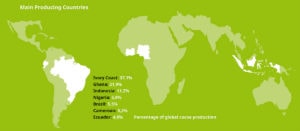
source: https://makechocolatefair.org/
The whole production starts with cacao trees, of which there are several varieties in the world, categorised into three groups – Forastero, Criollo and Trinitario. The Forastero varieties of cacao tree are the easiest to grow, they are resistant and you can grow them even in less favourable conditions. That is why the overwhelming majority of commercially available chocolate and processed cacao is made from this variety, which contains more caffeine (a neurostimulant) and less theobromine (a cardiostimulant). The Criollo variety is more demanding to grow and is therefore rarer on the market. It also contains more theobromine as well as a larger amount of the active substances you will get to know in the next part of the article.
Besides that, processing causes cacao to lose almost 90 % of its beneficial substances. Traditionally cacao was prepared by hand and slowly, and it was always a process called Bean-to-Bar (from the bean to the chocolate bar without any other interventions). In traditional cacao production, whose processes are preserved in ceremonial cacao, the dried and sun-fermented organic beans are only lightly roasted, people from indigenous tribes peel them by hand and the peeled beans are then ground into a uniform 100 % cacao mass. From cacao prepared like this you can then make a functional drink.
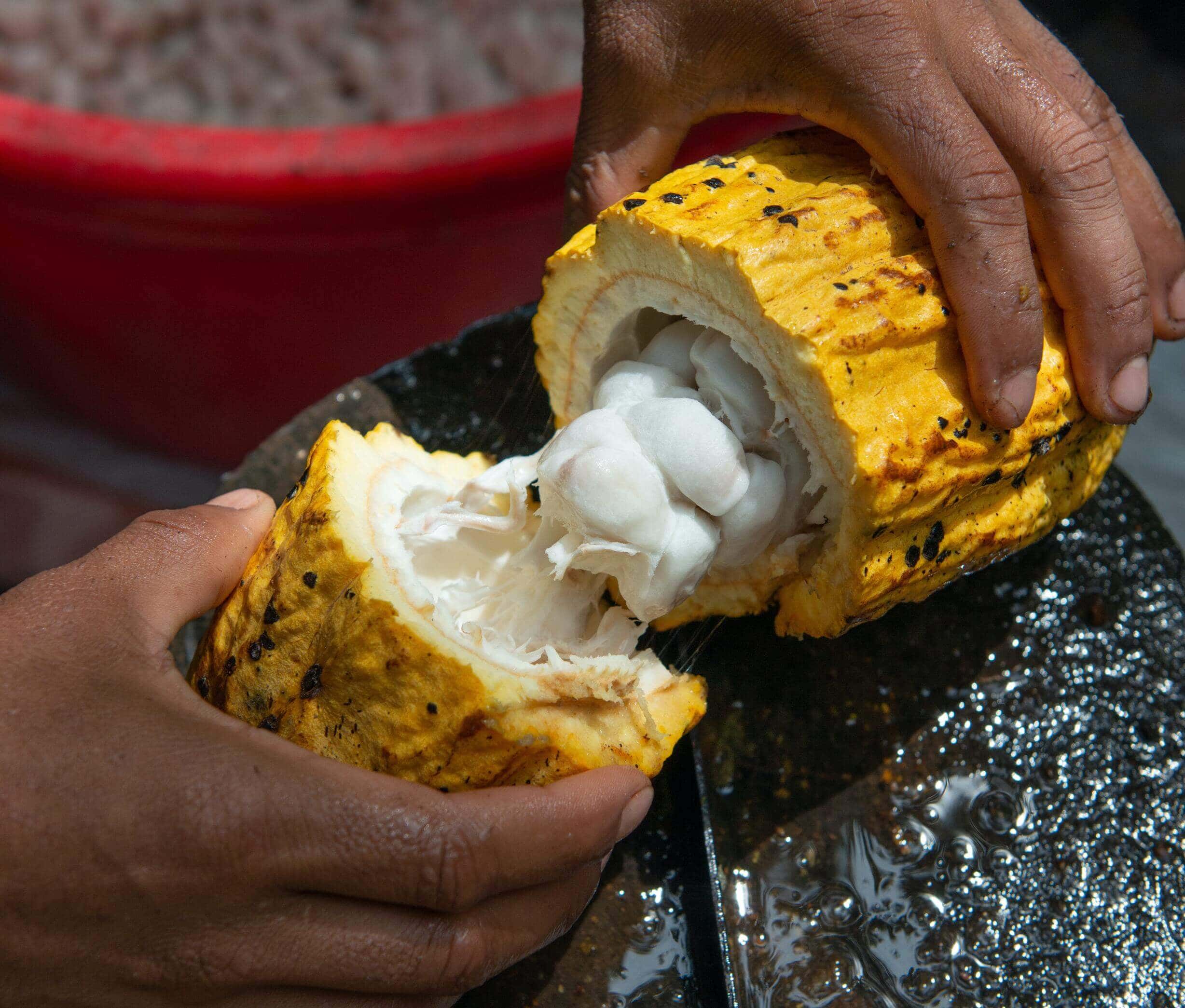
In commercial chocolate production the process is much longer. The fruits of the cacao tree, whose pulp surrounding the beans tastes sweet and sour, are collected, fermented, dried and cleaned of their shells. Cacao beans processed like this are roasted and ground into cacao mass. From that, for commercial purposes, the more expensive cacao butter is separated from the cheaper cacao powder. Such cacao powder has a pale colour, low solubility and a sour, astringent and bitter taste. To make such a product sellable, the powder goes through alkalisation, which darkens the colour of the cacao and significantly changes its solubility and taste. The alkalisation process was invented by the Dutchman Coenraad Johannes van Houten in the 19th century, and since then cacao powder has also been added to baking. Once a product goes through alkalisation, it can no longer be considered natural and it also loses its beneficial substances.
In English, alkalised cacao powder is labelled Cocoa, while the less processed form (cacao mass, bean-to-bar chocolate) is labelled Cacao.
When you buy commercial chocolate, it is often only a mixture of “Dutch” cacao powder and fats, because production saves above all on cacao butter. Plus sugar and further ingredients are added, which removes almost all the beneficial properties, and the fantastic feeling of eating commercial chocolate is only a symptom of the heightened dopamine response to sugar. Even high-percentage chocolates are made by mixing cacao powder and (in the better case) cacao butter from various crops. That is why their nutritional profile is lower than in the case of bean-to-bar chocolates with the same percentage of cacao mass.
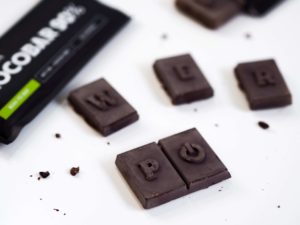
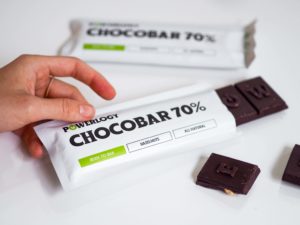
From this point of view we at Powerlogy take great care, and our 70 % and 90 % chocolate is made from Colombian Criollo cacao mass produced with the bean-to-bar approach and meets the demanding standards of the Low Carb and Keto approach, and it contains no animal ingredients. The 90 % chocolate contains a minimum of sugar, but thanks to the quality cacao mass and our recipe many people in a blind test estimated it to be a 75 % chocolate.
After long development and testing, the final recipe of a unique select and functional chocolate came about, with 10 % MCT fats for better absorption of nutrients and micronutrients and chopped cacao beans for a better experience.
Powerlogy Chocobars therefore represent a great alternative for a healthy and delicious snack at home, at work or on the road, one that contributes to serious nutrition for your body and brain.
Watch out for 100 % RAW marketing
If you see a claim somewhere that something is raw cacao, pay attention. Even in traditional preparation the cacao first has to be fermented, which naturally raises the temperature of the cacao beans to 60 degrees Celsius, while we consider raw only foods treated at a maximum of 42 degrees Celsius. Producers who tell the truth and state that it is Unroasted Cacao, not roasted and therefore not processed with additional heat, earn plus points instead.
The scientific view of cacao and the effects associated with it
Cacao, a sacred medicine and at the same time a functional snack, has many properties that researchers are studying, and it is discussed by institutions concerned with cardiovascular health. The Slovak Heart Foundation states on its website that, based on current scientific research, cacao is associated with prevention of the most widespread diseases of our time. People who regularly drink this beverage have been observed to have up to a fifty percent lower risk of dying from cardiovascular disease or cancer compared with those who do not drink it at all. Besides the caloric and stimulating value of this drink, since it contains theobromine and caffeine, cacao also contains substances that have been associated with lower blood pressure. Do not forget that they are talking about quality cacao and not about traditional chocolate.
Cacao beans are rightly labelled a superfood. Gently processed cacao contains more antioxidants than any other food and it also contains further substances studied in relation to physical and mental health:
- Caffeine: an alkaloid that is also found in small amounts in cacao, it is a strong stimulant of the nervous system and increases alertness.
- Theobromine: the primary, bitter alkaloid found in cacao beans in twice the amount of caffeine. It is a cardiovascular stimulant, it increases heart activity and blood flow and has about one quarter of the stimulating strength of caffeine.
- Magnesium: a key mineral for muscle relaxation.
- Serotonin: cacao contains serotonin and also components (magnesium and tryptophan) involved in the production of new serotonin in the body. This neurotransmitter plays an important role in positive mood, balancing stress and in sexual arousal, desire and sensitivity. Partly thanks to this, cacao is considered an aphrodisiac.
- Phenethylamine: or the love molecule, is a neurotransmitter that is naturally created in the body when we fall in love. It stimulates the pleasure centres of the brain and creates feelings of attraction and elation, and it is also associated with enthusiasm, alertness and attention. It allows the perception that time slows down and evokes feelings of connection and intimacy. Phenethylamine occurs naturally in raw cacao and stimulates the natural creation of dopamine and serotonin.
- Anandamide: a neurotransmitter which, when released in the brain, evokes a feeling of euphoria and causes heightened sensitivity and a feeling of wellbeing. Cacao also contains enzyme inhibitors that slow the breakdown of anandamide in the body, further contributing to the feeling of “bliss” associated with gently processed cacao.
- Norepinephrine: the molecule that literally makes your heart pound. This hormone, which increases the heart rate, allows short-term increased activity in the body.
- Antioxidant polyphenols: a group of protective substances that you will find in cacao in greater amounts than, for example, in blueberries or goji berries. Polyphenols are studied in connection with inflammatory processes, LDL cholesterol and also with the clumping of blood platelets, blood pressure and cardiovascular risk.
Cacao also contains some further compounds that act on brain function. These are biogenic amines such as tryptophan, phenylethylamine, tyrosine, tryptamine and tyramine. The concentration of these compounds increases during fermentation and falls during roasting and alkalisation. So the less processed the cacao, the more traces of these substances you can take in. In general, however, these compounds are metabolised in the intestinal mucosa, the liver and the kidneys.
Translated into human language, cacao is traditionally associated with these physical and psychosomatic experiences:
- a sense of clearer thinking
- increased ability to concentrate
- a lift in mood
- research interest in the strength of blood vessels
- research interest in cholesterol levels
- reduced acidity in the mouth (we are talking about a quality chocolate bar)
- a rich supply of antioxidant polyphenols
Treat yourself to your own cacao and chocolate ritual at home
Drinking cacao in a ceremonial way in smaller circles is enjoying a modern revival. Real chocolate is thus becoming a tool for finding time for yourself, slowing down over a cup of a hot bitter drink. For the advanced it is an opportunity to meditate. Some people combine drinking cacao with breathing exercises or with sharing feelings in a close circle of friends.
Dosing: if you want to taste the experience of ceremonial drinking, you can try it at home too. I recommend 30-40 g of cacao mass in combination with MCT oil or C8 MCT oil. If you want to change your morning ritual, have a drink made from 20-25 g of cacao instead of coffee.
With ceremonial drinking it is important not to drink coffee or alcohol that day, so that you can distinguish the effect of the cacao. Also increase your intake of plain water and eat nothing for 3 hours before the ceremony. People with serious heart conditions and those taking antidepressants should consult their doctor about drinking a 100 % cacao drink (a smaller dose is an option).
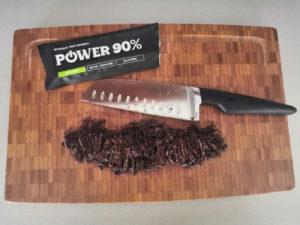
A recipe for preparing cacao the ceremonial way:
1. Chop Powerlogy Chocobar 70 % into small pieces according to the dosing. Small children and pregnant or breastfeeding women should not exceed 20 g of 100 % cacao mass.
2. Into a pot or a blender add Powerlogy MCT oil to the cacao and 250 ml of water or milk of your choice. For ceremonial use I recommend plant milk. Oat and rice milk add sweetness, with coconut you achieve a rich taste, but the cacao will be thick.
3. Add spices to taste and imagination; here I have listed the most popular ones:
- chilli/cayenne pepper – a little is enough, but it is important because of the symbiotic effect in supporting the effects of cacao
- a pinch of salt
- Ceylon cinnamon
- cardamom (powder)
- Powerlogy Upgraded Organic Turmeric
- vanilla
- star anise
- cloves
- other adaptogens such as ashwagandha or reishi
4. If you are making the cacao in a pot, once the liquid with the spices comes to the boil, lower the flame, pour in the cacao and, stirring constantly, wait until the cacao dissolves.
5. Pour the cacao into your favourite cup, settle in comfortably and enjoy a free moment dedicated to yourself.
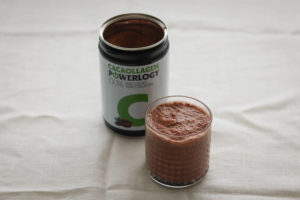
Try swapping chocolate for our food Powerlogy Choco Collagen 300 g. It is made of quality hydrolysed collagen, Peruvian cacao and a trio of invigorating spices – maca, cinnamon and ashwagandha. A drink made for a tasty morning ritual.

Image source: Unsplash
Author of the article: Simona Majerská
Cacao came into my life during my travels around Mexico, where I had escaped from approaching burnout. Shortly after that I drew a thick line under my life and left with a one-way ticket for Sri Lanka and later for the Tibetan part of the Himalayas. During those 9 months in the tropics I regularly drank cacao as a medicine. It helped me look inside myself and get answers to questions I had been asking myself for so long. But as a rationally thinking person I asked why cacao is so effective and how science looks at it. That is how I discovered the fascinating world connecting health, taste and experience that quality cacao offers.


Comments
There are no comments yet.