
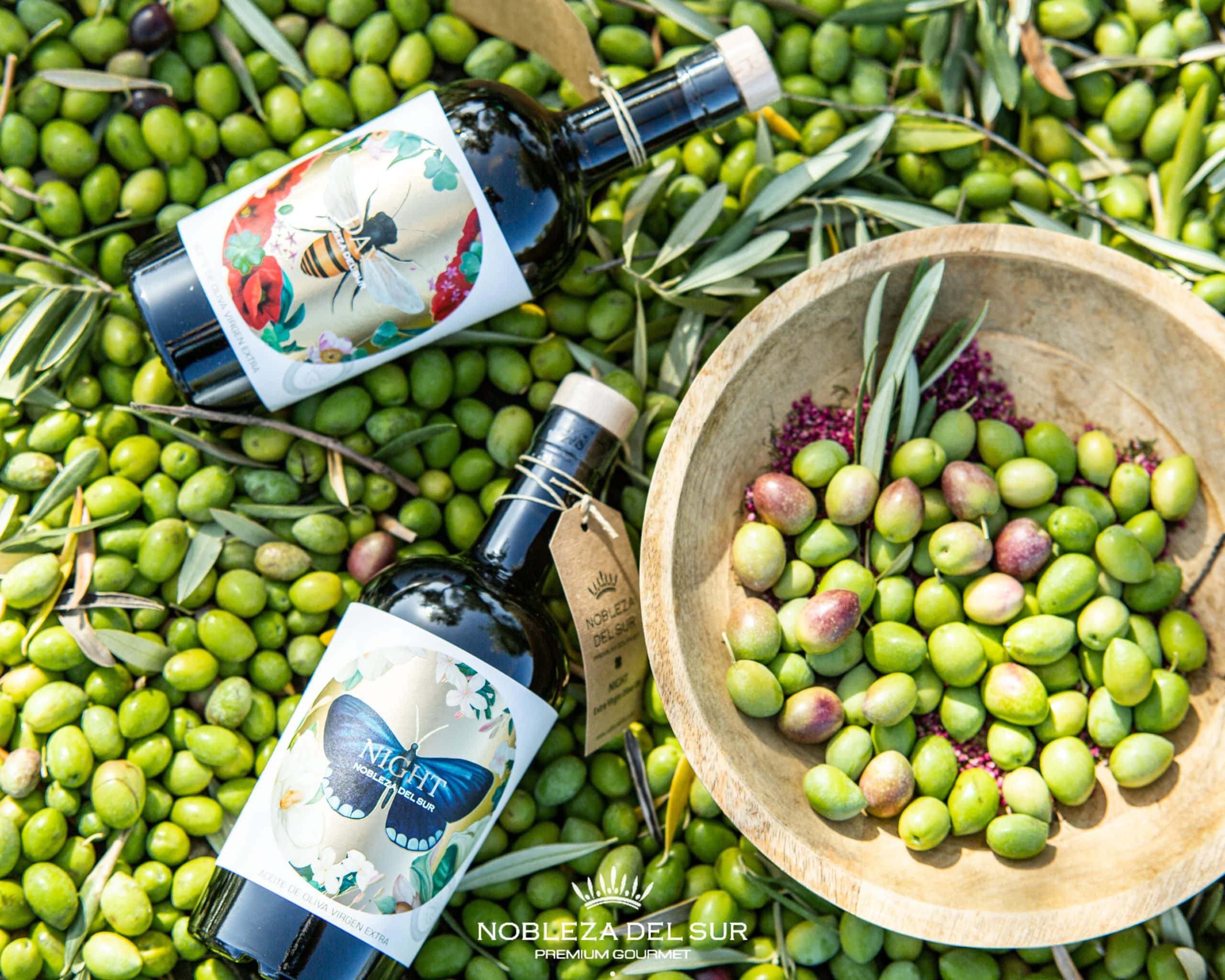
Most of us know olive oil. That typical, peppery taste of olives and any number of ways to use it. Salads, light dishes with seasonal vegetables, fish, meat, cheese or fresh bread. We have taken a look at everything that is worth knowing about this “kitchen wonder”, including what you may not have known.
In this article you will read about:
- The origin of olive oil
- The types of olive oil
- What olive oil contains
- What “polyphenols” are and why their content in olive oil matters
- 3 basic criteria for choosing an olive oil
- What to look for on the label
- Learn to taste properly
- How to check quality at home
- How to store olive oil correctly
- 3 tips for enjoying olive oil every day
The origin of olive oil
Olive oil is obtained from the fruit of the olive tree (Olea europea), which grows in all the countries around the Mediterranean. That is because it finds everything it needs there – warmth and moisture. The fruit ripens from October (early varieties) to January (late varieties).
The use of olive oil dates back 6,000 years and comes from the territory of today’s Iran, Syria and Palestine, from where it reached the Mediterranean with its famous olive groves. In the past, olive oil was used in religious ceremonies and in medicine, and for many cultures it became an important part of the diet.

What types of olive oil are there?
There are many types of olive oil. The highest grade of olive oil is extra virgin olive oil, followed by virgin oil and finally refined oil. These grades are defined by the extraction methods.
Extra virgin and standard virgin olive oil are obtained directly from the olives by milling, which preserves the natural taste, aroma, pungency and the maximum amount of beneficial substances. This method of extracting the oil directly from the fruit is called “cold pressing”. Thanks to it, the oil keeps its flavour, which it can lose when exposed to high temperatures.
Oil that is processed further and mixed with chemical solvents loses the original high quality of extra virgin oil and is classified among the refined olive oil variants.
- Extra virgin olive oil:
It is obtained by crushing or cold pressing olives and extracting the fresh juice. It is unrefined and the highest-quality olive oil you can buy. Thanks to the way it is made it keeps the real taste of olives, and it has a lower oleic acid content than the other types. It has a higher concentration of the natural vitamins and minerals found in olives. It has a bright green colour and a distinctive olive taste. It also contains only 1 % oleic acid and manages to retain all its antioxidants.
- Virgin olive oil:
Virgin olive oil comes from standard virgin oil production, or from cold pressing alone, has less than 2 % acidity and is known for having a “good” taste compared with the Extra Virgin grade. It cannot contain any refined oil.
- Refined olive oil:
When virgin oils are sent to a processing plant, they go through chemical processing, which turns them into “refined olive oils”. There they undergo treatment that involves heat, chemicals or filtration. These refined oils have an acidity of 0.3 per cent or less, which usually gives them a longer shelf life.
- Pomace oil (labelled Pomace):
There is another olive oil variant on the market, called pomace oil. After the typical mechanised extraction of olive oil from the fruit, roughly 5 to 8 % of oil remains in the leftover olive pulp, or “pomace”. This oil is fine for cooking. Although the pomace oil that is extracted is technically still an oil that comes from olives, in terms of quality it still cannot compare with the virgin grade, because chemical solvents are often used in pomace extraction.
What olive oil contains
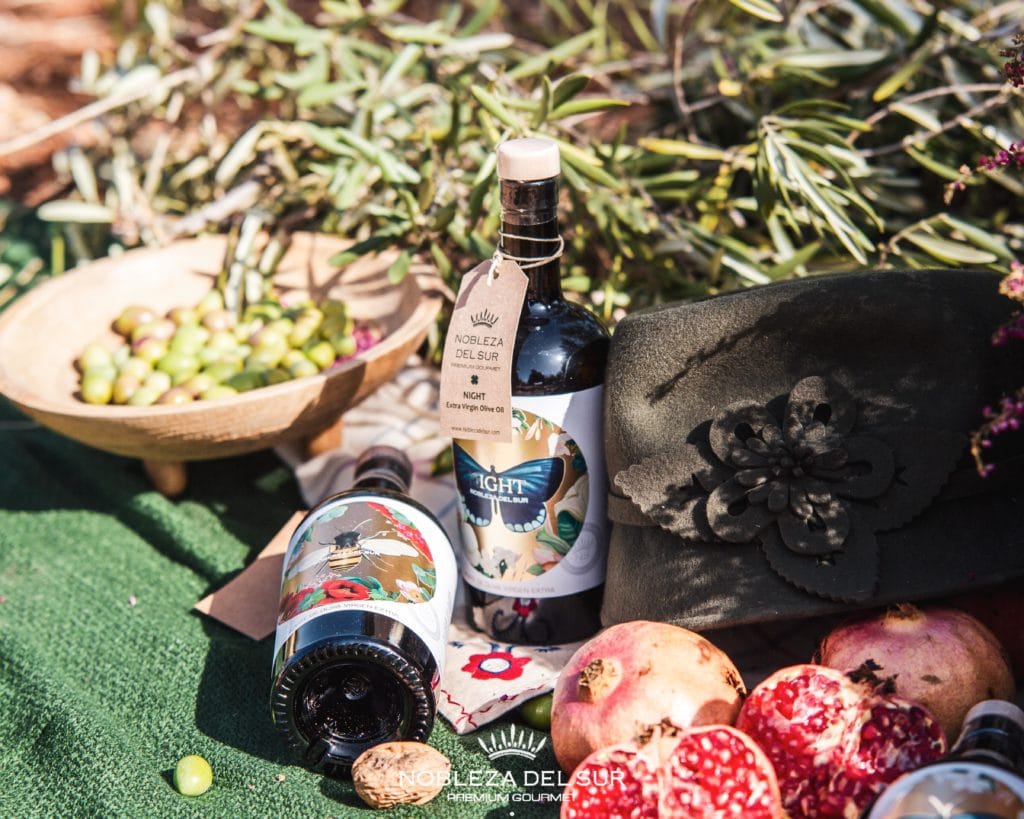
Olive oil in its purest form, i.e. as extra virgin, is – like most oils – composed mainly of unsaturated fatty acids, of which oleic acid makes up the largest share (70–80 %) and linolenic acid about 10 %. Only around 14 % are saturated acids, specifically palmitic and stearic acid.
Extra virgin olive oil is an excellent source of nutrients: it contains a whole range of antioxidants, vitamins E and K, as well as unsaturated fatty acids. Among original natural sources it is right at the top for the content of these substances. Oleic acid, for example, has been studied in relation to markers of inflammation.
If olive oil is made from an early harvest, it has the highest possible antioxidant content. Olive oil also pairs beautifully with herbs such as lavender or rosemary. An infusion with garlic cloves can be very effective too.
The secret of olive oil lies in its POLYPHENOLS
Olive oils are particularly valued for their polyphenols. These antioxidants are among the most studied compounds in the oil. Thanks to the polyphenols contained in olive oil you can also be sure that you are consuming a natural product without unwanted chemical additives. Not every extra virgin olive oil, however, contains a higher share of polyphenols.
Polyphenols are characterised by high antioxidant activity. So we can say that the more polyphenols an olive oil contains, the higher its quality.
Research has associated diets rich in polyphenols with markers of cardiovascular and general health. The main point of interest around polyphenols is their effect on free radicals, and studies have looked at their association with oxidative stress, blood pressure and oral hygiene.
Because polyphenols are widespread and highly concentrated in plants, they have become a common part of the human diet. Daily intake in humans has therefore been estimated at roughly 1 g.
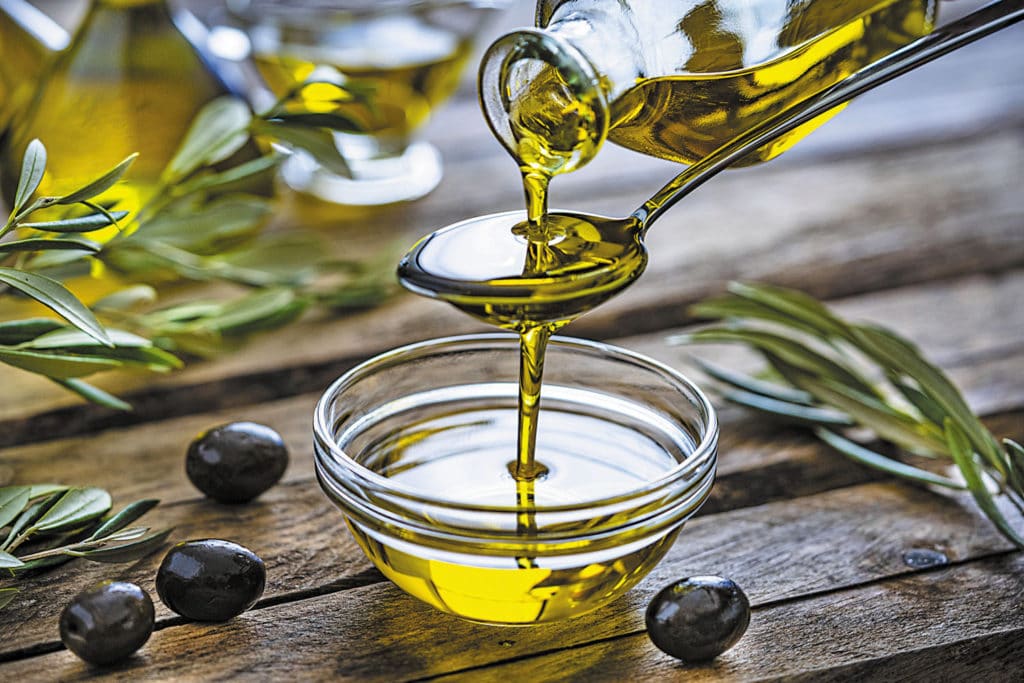
What else research has looked at
Although research is limited, olive oil has been studied in several other areas. These include:
- Type 2 diabetes: Studies have associated diets with the highest olive oil content – up to 1.5 tablespoons (20 ml) a day – with a 16 % lower risk of type 2 diabetes.
- Blood sugar levels: In one small study, people who took 20 mg of concentrated oleuropein, a compound found in olive oil, recorded a 14 % smaller rise in blood sugar after a meal than those who took a placebo
- Digestive comfort: According to some small studies, taking as little as 1 teaspoon (5 ml) of olive oil a day has been associated with easier digestion.
- Joints: Animal research reports that olive oil and its compounds have been studied in connection with cartilage, the protective padding of the joints.
(We would stress that further research is needed.)
It is often used for hair, skin and nails
Although the scientific evidence supporting topical application of olive oil is limited, it is a common ingredient in many soaps, body lotions and face creams.
Some popular cosmetic uses of olive oil are:
- Hair care. Use 1–2 tablespoons (15–30 ml) of olive oil on split ends, or massage it gently into the scalp to relieve dryness. Then wash your hair thoroughly with shampoo and rinse.
- Moisturiser. To moisturise the skin, apply a thin layer after showering, or mix a nut-sized amount into your usual body lotion before use. You may need to wipe off the excess oil with a towel.
- Cuticle balm. Massage a drop of olive oil into each fingertip to care for cracked or dry cuticles.
Since lower-quality olive oils may contain substances that are potentially irritating to the skin, it is best to stick to extra virgin and virgin olive oils that are cold pressed.
People with sensitive skin should proceed carefully, as olive oil has been shown to irritate dry skin further, especially in infants and children.
It is easy to add to your diet
- Instead of buying creamy salad dressings, try dressings made with olive oil, or make a home-made olive and yoghurt dip, following the recipe HERE.
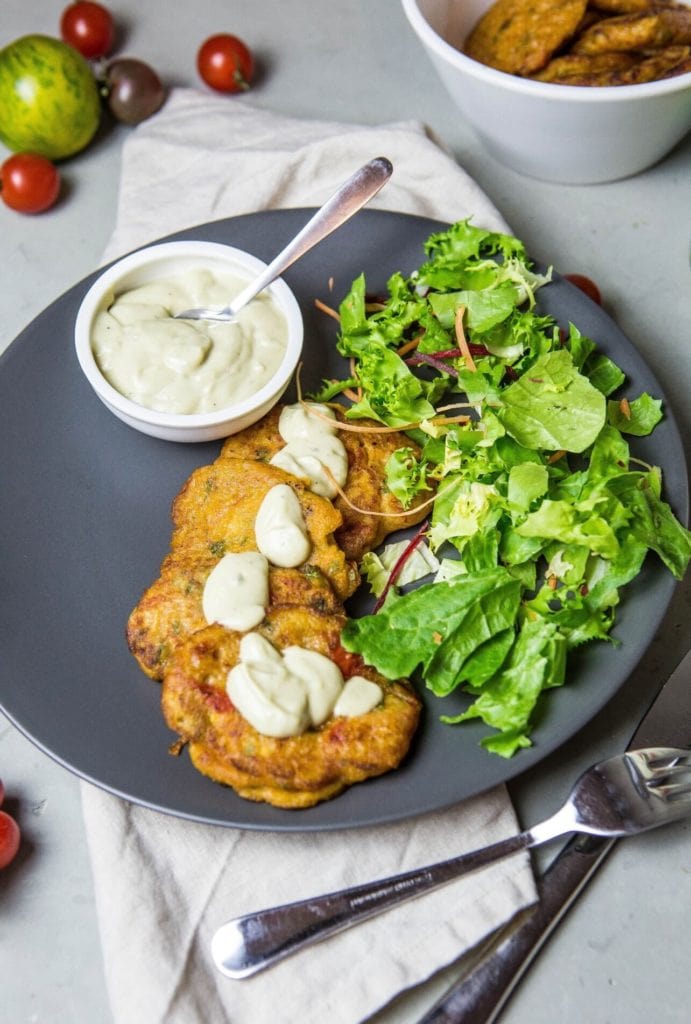
- Instead of cream- or cheese-based sauces, go for olive oil-based sauces such as pesto.
- As a vegetable dip, try hummus made with olive oil instead of blue cheese or ranch dressing.
- Dip your bread in cold-pressed olive oil with spices instead of butter.
3 basic criteria for choosing an olive oil
1. Choose the right type. We recommend only EVOO, ideally organic as well.
What is EVOO? Simply the abbreviation for Extra Virgin Olive Oil.
At Powerlogy, after study and experience, we choose only extra virgin oil, because the quality risk with refined and merely virgin oil is high. We also care about the risk of oxidation, and about being able to use olive oil across the board, in hot and cold cooking alike. In refining and processing for a better price, every compromise in quality starts to be made. Just so the price is good – but then it is a false price.
Organic oil is a bonus for us, but here it depends more on whether you trust the producer, because some smaller farmers and family businesses in Greece, Italy and Spain do not bother with it and have demand and quality even without it.
On pressing, we agree with Peter Červeň, a judge from Gourmet Gallery:
„Quality extra virgin olive oils are pressed at a temperature of about 24–27°C. So watch out for the marketing tricks of some producers who press at 35°C as well, increasing the amount of oil obtained. To label it extra virgin they then use the tested criterion of a maximum free oleic acid content – 0.8%.“
2. Read the labels; the origin must be clear and the acidity traceable
Do your own research. With most oils you find in ordinary shops, you will find a blend of olives from European Union countries. Or, at best, a blend of olives from one country. Then you will find that it was processed mechanically, which need not be entirely bad…
However, if the producer does not state the acidity of the oil, it is often done deliberately, because they know that higher acidity and an oleic acid content above 0.8% would push its real value, which you are paying for, well below the price.
Choose oils that state the acidity on the label or on the producer’s website. The seller should answer clearly where they come from. What is more, they have a history and the stories of the producing families behind them, like our olive oil newcomers from a family farm in Spain.
3. Taste it and focus on the feeling in your throat
If you want to find your oil, you have to taste. Taste is a very subjective quality: some people like it more bitter, some milder, others strong and intense. Every quality oil, however, must have its aroma and at least a slight tickle in the throat. We call it natural pungency. It is important not to confuse it with chilli oil and spiciness.
Fake oil is almost everywhere. How can you check quality at home?
If you like experimenting and still want to check whether your commercial oil is at least 100% olive, then besides tasting, aroma and the tickle in the throat you have two more options that can weed out complete rubbish.
- A. The cold test
Put the oil in the fridge. If it solidifies, that is good – it contains monounsaturated fatty acids as it should. If not, then there are polyunsaturated fatty acids from other refined vegetable oils in it. And that is not right at all! At the same time, given the cunning of some producers and their use of waxes, this test cannot be considered 100%,
- B. The fire test
Real oil can serve as a substitute for paraffin in a lamp. Try pouring oil into a glass, inserting a wick and lighting it. If it does not burn even for a moment, there is a problem again.
How to store it correctly and what about the best-before date?
Oil is like wine. Oil does not like heat and light. So ideally choose oils in dark glass, or a tin is fine too. A normal temperature up to 35°C does not bother it that much; light is more of an issue.
Store it like other foods in the pantry, or on a shelf in a darker, dry place. Ideally choose oil from a single year’s production, so the best-before date should be no longer than 18 months, ideally 12.
3 tips for enjoying olive oil every day
Now that we have covered quality, benefits and the important facts about olive oil, and you know what to focus on when choosing it, we can go and create the best taste experiences together.
For our selection we took inspiration from our CEO Dušan Plichta and his article, and have put together his 3 tried-and-tested combinations, in which you will discover the strength and true taste of a quality olive oil.
-
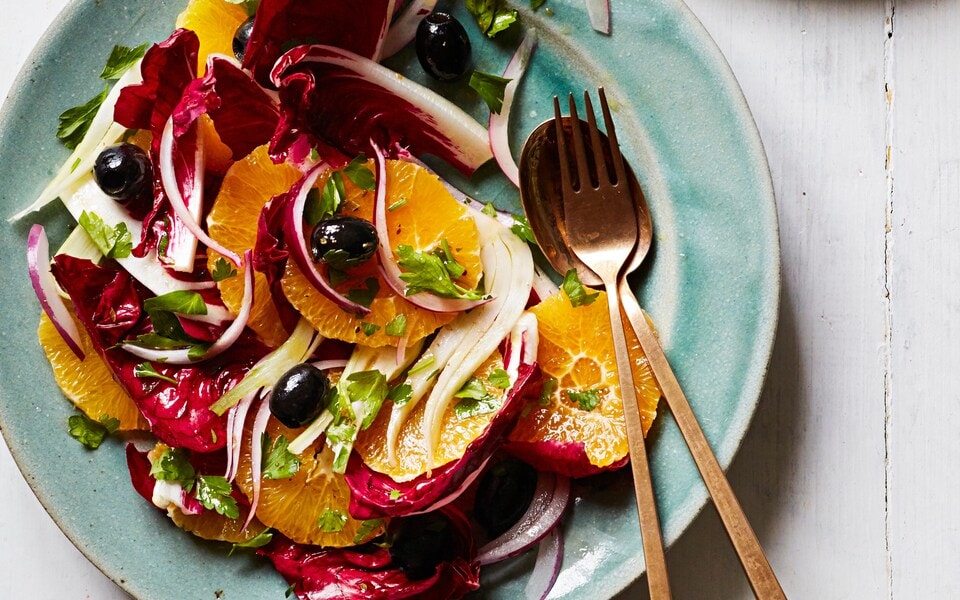
Orange salad with chicory and black olives
An unusual but wonderful summer combination to go with grilled cheese, or simply with fresh nibbles such as feta, mozzarella or young Slovak goat’s cheese.
As you can see in the picture. Just chop chicory, or salad leaves from the garden, oranges, red onion, celery and parsley. Season with sea salt and add white wine or cider vinegar. Finally, drizzle generously with the Powerlogy olive oil and toss lightly.
-
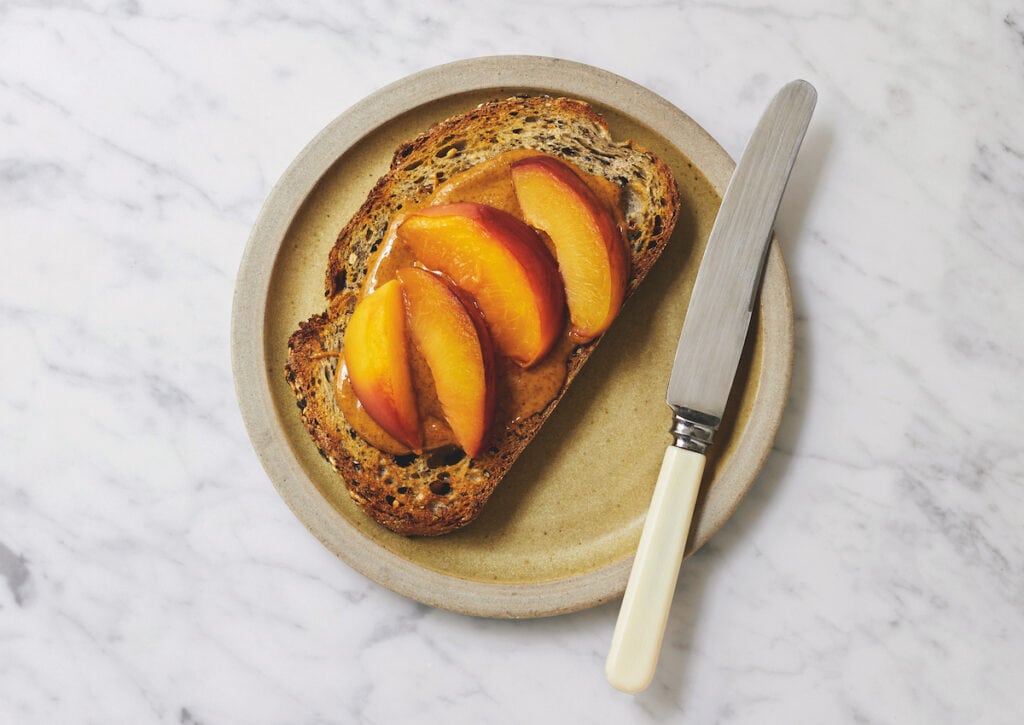
Sourdough bread with almond “butter”, olive oil, sea salt and peaches
This is my speciality for an interesting summer breakfast. Spread sourdough bread with, for example, Powerlogy almond cream, salt it lightly with sea salt, arrange slices of peach or apricot jam on top. Finally drizzle with olive oil and you can also sprinkle it with cinnamon.
A gourmet summer, seasonal breakfast is on the table. The best fruits are apricots and peaches, but oranges work too.
-
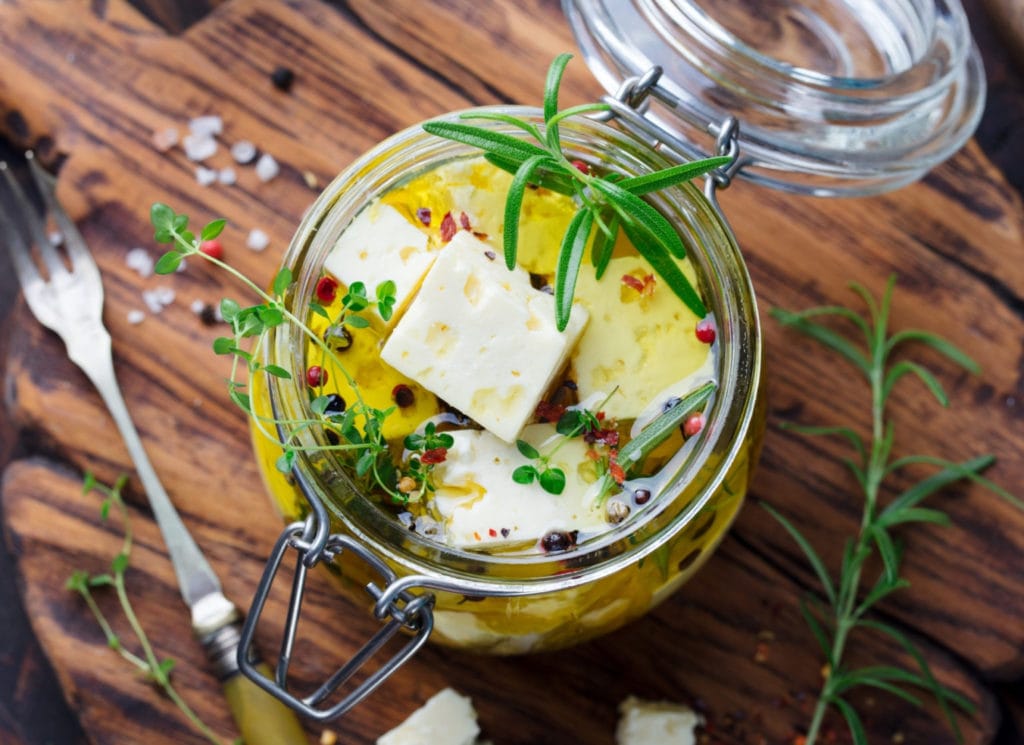
Sheep’s cheese marinated in oil with oregano, rosemary, lemon and black pepper
Personally I would use a young, fresh sheep’s cheese, feta and the like. Cut it into cubes, pack them tightly into a jar, and dare to use a premium olive oil.
Add fresh or dried oregano, lemon zest and a good dose of black pepper. Once all the flavours come together, they will be wonderful in just two days. You can also use garlic, although in my view that is heavier for summer – it depends what suits you. In that case I would not eat it afterwards, and would use just a clove in the oil for flavour.
Cheese like this is absolutely TOP as a starter at a barbecue with white wine, with the macerated olive oil then used for dipping bread.
So where can you buy something unique?
Of course, philosophising about quality and experience is all very well, but if you do not have a shop nearby where you could buy a good oil, it usually stays at average. We completely understand that many people no longer know what to believe.
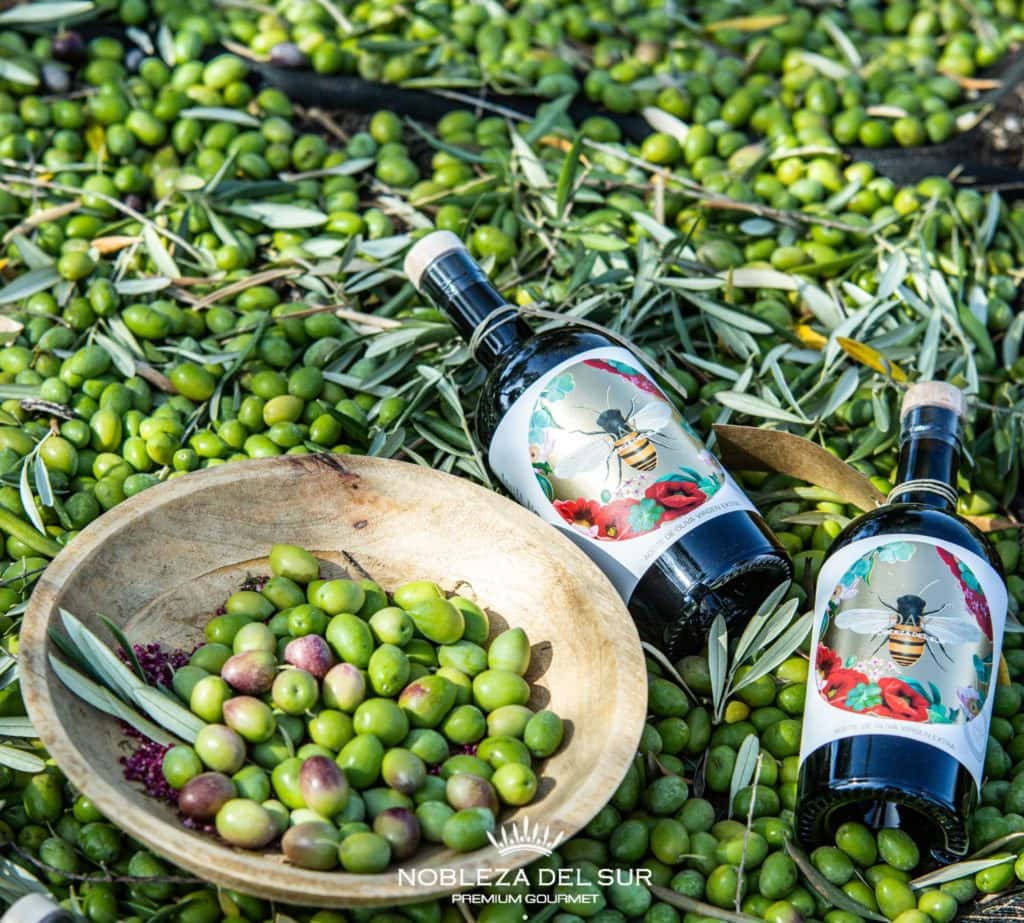
If you want to see for yourself and experience another level of olive oil, taste one of the finest olive oils in the world, awarded in Flos Olei 2021, from a family farm in sunny Spain.
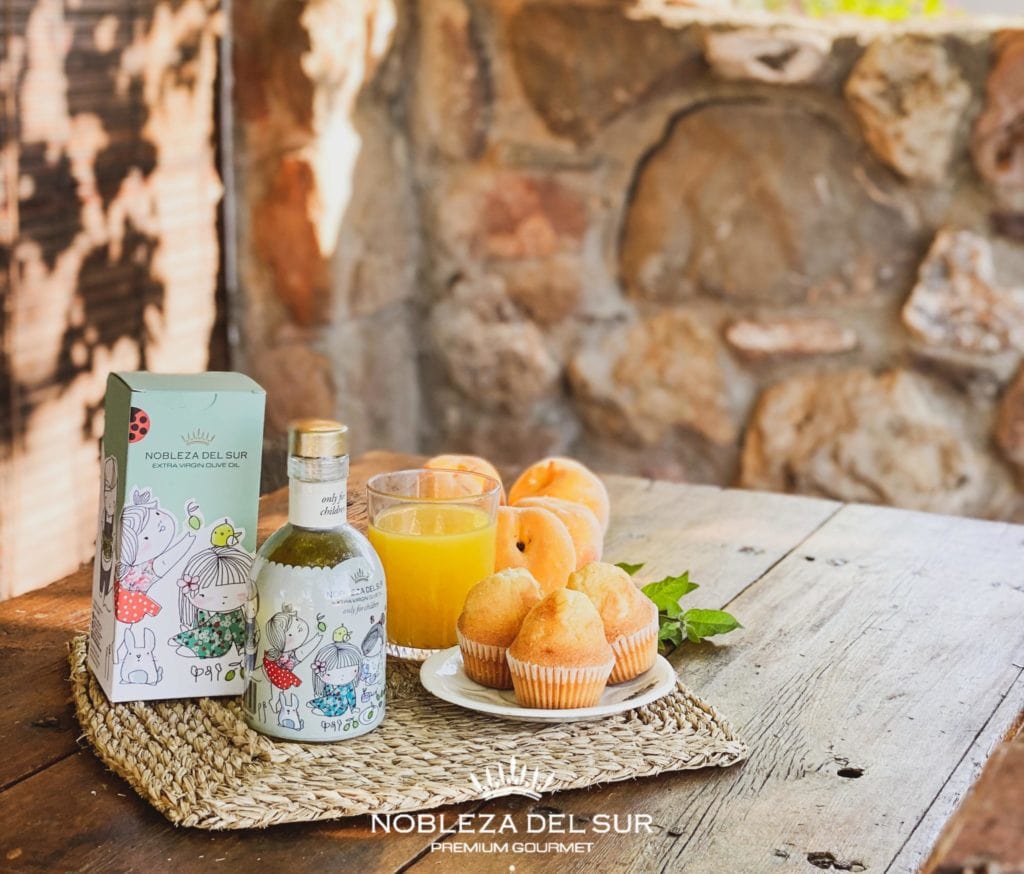
If you have read this far: besides the premium olive oils you will find in our Powerlogy e-shop in the healthy fats section, we have prepared a fresh, mild and fruity NEW ADDITION for you, ideal even for fussy young palates.
You heard right: our range also includes a selected olive oil for children without bitterness. That is thanks to the combination of olive varieties, which gives a mild, fruity taste without acidity, yet still with a rich share of the polyphenols mentioned above.
Summary
- Olive oil should be part of a healthy, varied and balanced diet for the whole family
- When choosing an olive oil, read the labels carefully; the origin must be clear and the acidity traceable
- Not all olive oil is the same – there is a considerable difference between extra virgin olive oil and refined olive oil
- A high content of polyphenols is one of the most important qualities of a good, genuine extra virgin olive oil


Comments
There are no comments yet.