
Are you troubled by tiredness, pain, a low mood or acne? Inflammatory processes in the body are one of the things sometimes discussed in connection with all of these. How to work with inflammation, what the best so-called anti-inflammatory foods are, a complete list of them and what the principles of anti-inflammatory eating look like, you will read in this article.
What are anti-inflammatory foods?
Anti-inflammatory foods are all those that contain a rich supply of antioxidants, vitamins, healthy fats, omega-3 fatty acids and polyphenols. In other words, they contain substances that are studied for their role in the body’s inflammatory processes. Foods commonly counted as anti-inflammatory include many kinds of vegetables, fruit and nuts, olive oil, oily fish, mushrooms, green tea, coffee, cacao and turmeric.
The opposite of anti-inflammatory foods are the pro-inflammatory foods, in other words those associated with more inflammation in the body. They contain a lot of refined carbohydrates and saturated fatty acids and they are often ultra-processed foods. This group includes refined sugar and products made from it, animal fat, margarine, fried food, red meat and processed meat. Drinking alcohol and smoking are associated with inflammatory processes too.
These foods are a good addition to your diet
Add foods with an anti-inflammatory reputation to your diet. If your diet also contains pro-inflammatory foods, replace them gradually with the anti-inflammatory ones.
The list of anti-inflammatory foods includes the following:
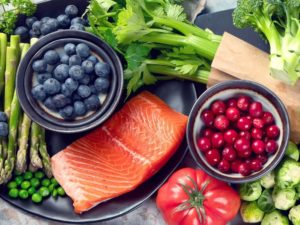
- vegetables: broccoli, spinach, kale, garlic, onion, ginger,
- fruit: blueberries, raspberries, strawberries, oranges, pomegranate,
- nuts and seeds: walnuts, chia, flax, sunflower seeds,
- oily fish and seafood: salmon, sardines, mackerel,
- healthy fats: olive oil, avocado,
- pulses: lentils, chickpeas, beans,
- grains: oats, buckwheat, quinoa,
- herbs and spices: turmeric, ginger, oregano, basil,
- fermented foods: sauerkraut, kefir, kimchi.
These natural anti-inflammatory foods are a welcome part of a varied diet. And on top of that, they taste great.
How do you set up anti-inflammatory eating?
By adjusting your diet you will gradually build up a set of favourite anti-inflammatory meals. If you want to work on your diet overall, it is important to start adding anti-inflammatory foods to your everyday menu gradually.
You do not have to start eating everything on the list at once – on the first day add just five of them, for example, and then add 1-2 more foods each day. If you are looking for a specific style of eating that is full of anti-inflammatory foods, Mediterranean cooking will be a great choice. It has a high share of fruit, vegetables, fish, healthy oils and nuts.
Follow three important principles
The three basic principles start with eating seasonally. That means eating what is currently growing and ripening where you live. Not all anti-inflammatory foods are naturally local, so add the ones that come from abroad according to what each season of the year calls for.
- spring: lighter, fresh and green food suits this time: spinach, wild garlic, spring onion, leek, coriander, parsley leaf, citrus, chia seeds, olive oil, fermented foods.
- summer: this is the season when most anti-inflammatory crops ripen here: broccoli, kale, onion, garlic, basil, blueberries, raspberries, strawberries, cherries, peaches. Alongside those, eat oranges, avocado, flax seeds and oily fish.
- autumn: the ideal season for warm, nourishing meals, for root vegetables, nuts and fermented products: pumpkin, carrot, beetroot, ginger, turmeric, garlic, cabbage, apples, grapes, pomegranates, walnuts, sunflower seeds, lentils, chickpeas, kefir, sauerkraut, oats, buckwheat.
- winter: eat more cooked food, spices and fermented foods: sauerkraut, onion, garlic, ginger, turmeric, cinnamon, clove, allspice, citrus, pomegranates, beans, chickpeas, quinoa, oats, kimchi, kefir, walnuts, olive oil.
The second principle is eating regularly. Do not skip meals, eat whenever you feel hunger approaching and do not put off eating until the moment when you are completely famished.
The third principle is drinking enough. Drink enough plain water every day. If you want to work out how much you should drink daily, use the calculation “0.5 l of water per 15 kg of body weight”. On physically demanding days and in hot weather, feel free to drink more than your recommended daily volume of water.
Add anti-inflammatory meals to your menu
When adding anti-inflammatory ingredients to your diet you can either replace the pro-inflammatory ingredients in your usual recipes or try completely new recipes full of anti-inflammatory ingredients.
Ideas for anti-inflammatory breakfasts, lunches and dinners
For breakfast you can try these filling, quick recipes:
- porridge with blueberries, chia seeds and walnuts,
- chia pudding with coconut milk and raspberries,
- wholegrain toast with avocado, boiled egg and turmeric,
- a smoothie of spinach, banana, ginger, lemon and flax seeds.
For lunch, treat yourself to something nourishing:
- salmon with roast vegetables (e.g. broccoli, kale, carrot) and quinoa,
- chickpea curry with turmeric and coconut milk, served with buckwheat,
- lentil salad with rocket, olive oil, cherry tomatoes and red onion,
- ginger and sweet potato soup with a pinch of cinnamon.
And for dinner have something lighter:
- hummus with vegetables and avocado, buckwheat bread,
- baked tofu with vegetables (pak choi, spinach, pepper) in a pan with olive oil,
- courgette fritters with a herb dip and leaf salad,
- a chickpea wrap with tahini sauce, tempeh and kimchi.
Replace pro-inflammatory ingredients
A lot of the ingredients used every day in our cooking fall into the pro-inflammatory category. Fortunately they are very easy (and tasty) to replace with anti-inflammatory ones. Try the alternatives from our list – pro-inflammatory ingredients on the left, anti-inflammatory ones on the right:
- white flour: wholegrain, buckwheat, oat flour,
- sugar: fruit, cinnamon, dates, honey
- cured meats: eggs, salmon, sardines,
- fried food: baked in olive oil or steamed,
- butter, margarine: olive oil, avocado oil,
- sweetened drinks: water with lemon/other fruit, homemade iced teas,
- white rice: buckwheat, quinoa, wholegrain rice.
Try it for yourself and see which alternative suits you best. To make the change of diet easier to get used to, replace the ingredients gradually.
Try Powerlogy products
In our e-shop too you will find plenty of foods made with healthy, anti-inflammatory ingredients. Try the products in the Superfoods category, for example. The products in this category are built on simple, natural ingredients.
You can replace the fats and oils you cook with by healthy MCT oils or by virgin oils or ghee butter.
For breakfast, treat yourself to one of our breakfast porridges or try our crunchy granolas. Just add fresh fruit and a healthy anti-inflammatory meal is ready.
To drink, try our coffee, cacao or teas. They all meet the highest quality standards, are made from purely natural ingredients and produced gently and, of course, they taste great.
When can anti-inflammatory foods matter most?
Anti-inflammatory foods are of course suitable for anyone who wants to live more healthily. There are also situations in which they are more than welcome in the diet.
With chronic inflammatory and autoimmune conditions
For people with chronic inflammatory conditions such as Crohn’s disease, rheumatoid arthritis, ulcerative colitis, asthma, eczema, chronic bronchitis, chronic joint and muscle pain… a varied diet of this kind is often discussed as part of overall care. It is not a treatment and it does not replace the care of your doctor.
The same goes for people with autoimmune conditions – lupus, coeliac disease, Hashimoto’s thyroiditis… any change of diet should be agreed with the doctor who is treating you.

After illness or surgery
A varied diet of this kind can also be a welcome support after illness (for example COVID-19, flu, tonsillitis…) or after operations, injuries or non-surgical procedures – always alongside, never instead of, the care your doctor recommends.
With nervous system and mental health issues
With nervous system problems, with insomnia, chronic fatigue or mood changes, eating well is part of looking after yourself – but it does not replace professional care.
An anti-inflammatory way of eating is of course suitable for anyone who wants to eat well every day. Try it too, it is not hard. Set yourself a challenge – over the coming week, gradually replace 5 ingredients in your diet with anti-inflammatory ones.


Comments
There are no comments yet.