
Little sugar, plenty of goodness. That is berries. Besides containing plenty of antioxidants and fibre, they are studied in connection with blood pressure and inflammation. Find out what research says about strawberries and raspberries and how to enjoy a good dose of berries all year round.
Why eat berries?
Berries are small, juicy and colourful, and many studies describe them as a superfood. They include, for example, raspberries, currants, strawberries, blueberries, sea buckthorn, and also the more exotic goji. Besides their great taste, berries have several rare super abilities.
A strong antioxidant
Free radicals are unstable molecules and enemies of our cells. If they are not neutralised in time, they can damage them. Effective fighters against free radicals are antioxidants, of which berries contain more than many other kinds of fruit or vegetables.
They contain above all plenty of vitamin C and E, and flavonoids such as anthocyanins or ellagic acid. Anthocyanins give berries their typical red or purple colour and are also associated with calming inflammation and with heart health.
Ellagic acid is studied by scientists in connection with cancer research, because it is described as neutralising the influence of carcinogens and supporting the natural death of cancer cells.
Low glycaemic index
Compared with other wholesome foods, berries have a low sugar content. That is why they can be enjoyed by people with diabetes and by everyone who watches calories. On top of that, according to many studies a cup of berries at least twice a week is associated with a lower risk of high blood pressure, diabetes and obesity.
High fibre content
All kinds of berries contain plenty of fibre, especially the soluble kind, which binds water and regulates the digestion of sugars and fats. Thanks to this you feel full for longer and, according to a scientific study1, take in up to 130 calories less per day.
The best berries come from the garden
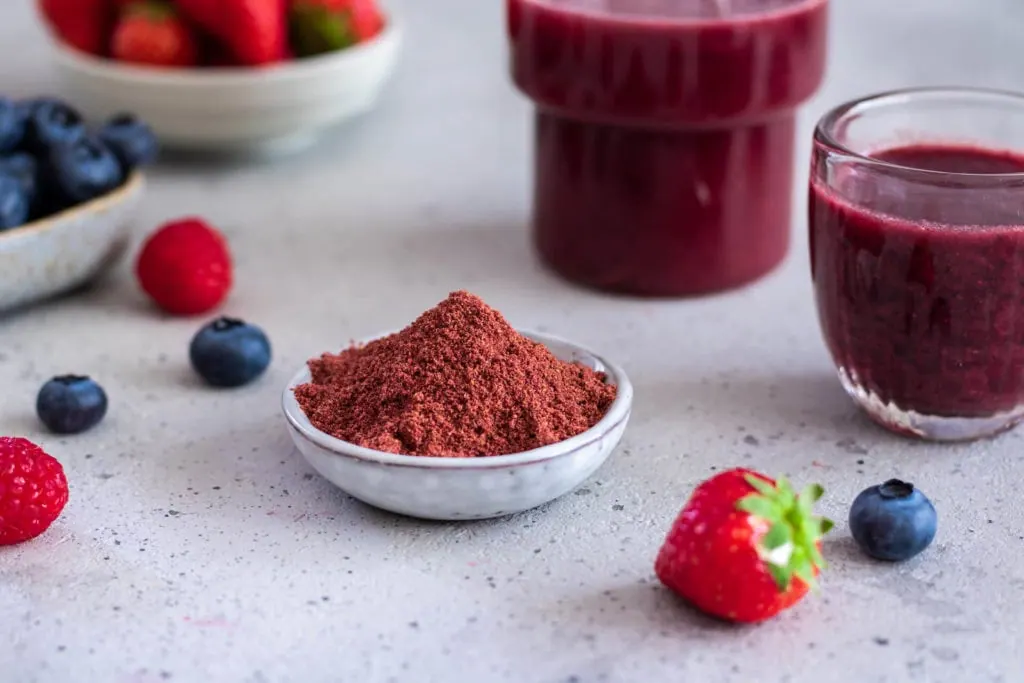
The best source of berries is your own garden, or a trusted seller at the local market. If you want to enjoy plenty of raspberries, blackberries and blueberries all year round, build up a good supply in the freezer. Do not worry, berries do not lose quality by freezing and keep almost all their benefits. We also have good news for those whose freezer is full: the same applies to freeze-dried fruit.
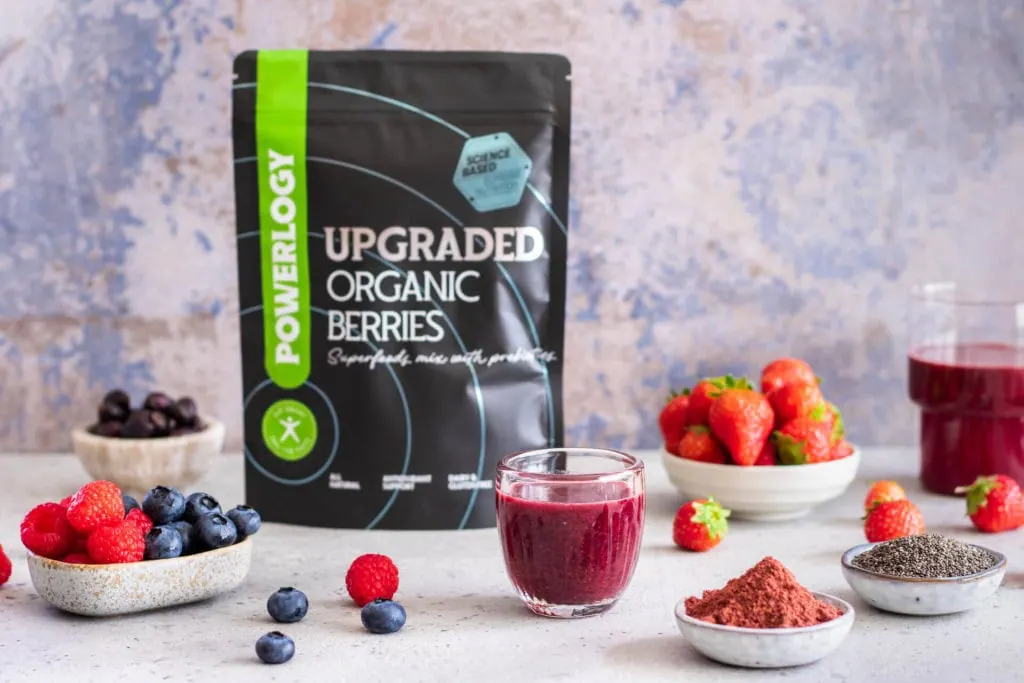
That is why Upgraded Organic Berries joined our family of Powerlogy products. This innovative blend of organic berries and prebiotic fibre is for everyone who wants a generous dose of natural vitamins and to support their digestion. You will find blueberries, raspberries, strawberries and blackcurrants in it, complemented by the highly functional superfood goji.
Strawberries: what research says
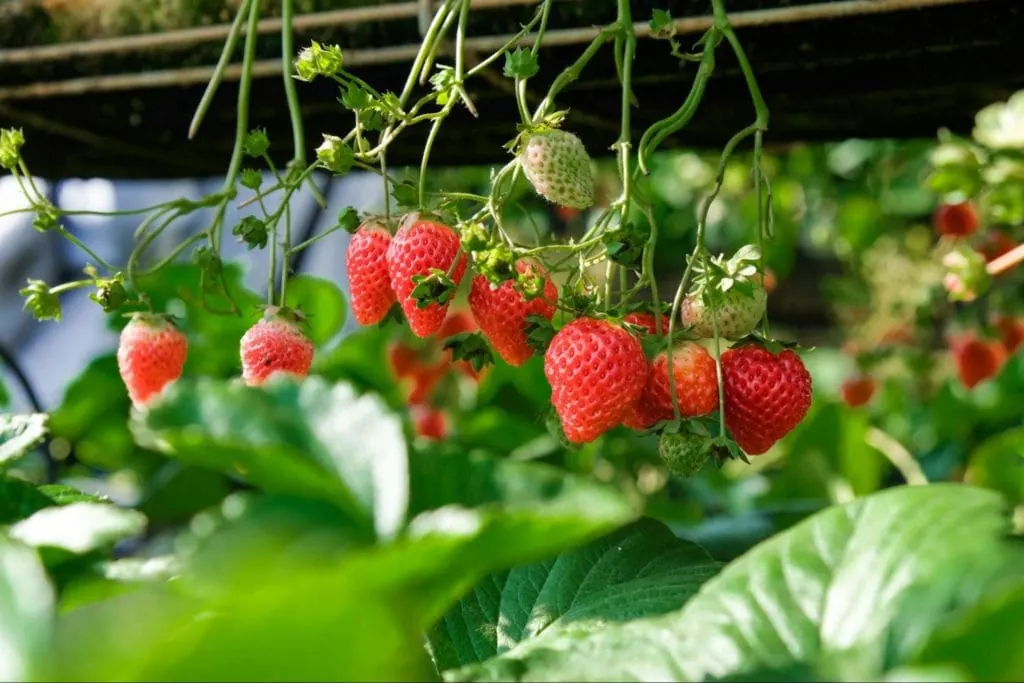
By the middle of June everyone has had enough of them, the jams are made and three trays of cake eaten, but that is how it should be. Strawberries are studied in connection with memory and learning. According to a Harvard study2, eating strawberries at least twice a week was associated with delaying cognitive ageing by up to two and a half years. Even though they are sweet, they contain more vitamin C than oranges. On top of that:
- thanks to flavonoids they are associated with calming inflammation in the body,
- they are low in calories,
- they support immunity
- and they contribute to eye health.
Blueberries: what research says
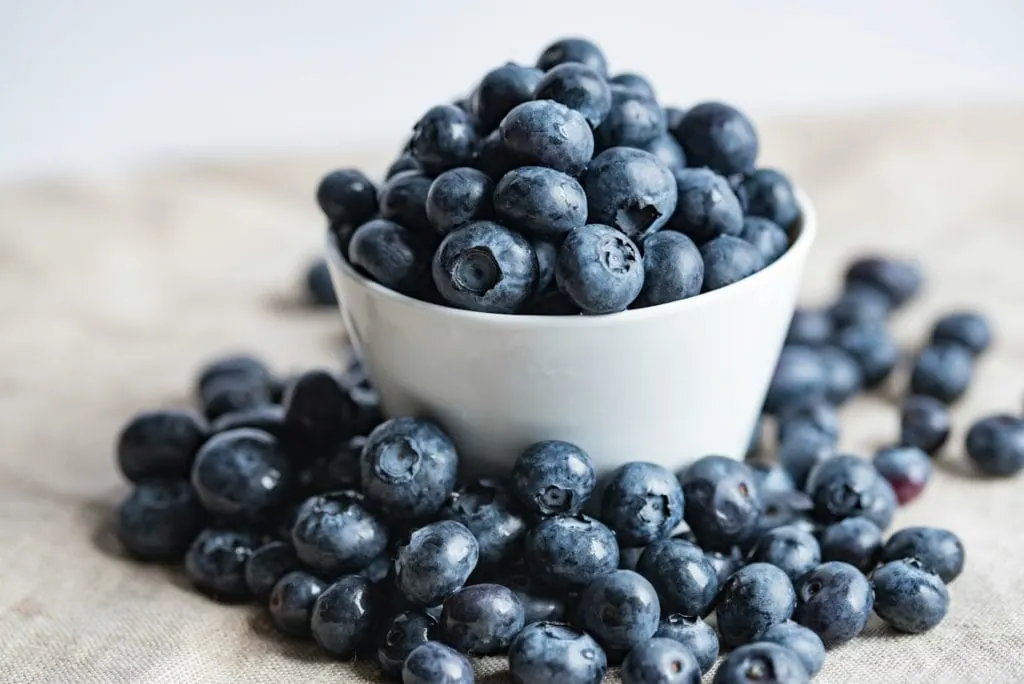
If you eat a cup of blueberries, you have given your body a mega dose of antioxidants. Blueberries contain plenty of anthocyanins, which are associated with a lower risk of chronic conditions.
A study of more than 90,000 women3 compared people who ate blueberries at least three times a week with people who had them once a month. After 18 months they found that those who ate blueberries far more often had a 34 percent lower risk of myocardial infarction.
If you have problems with blood pressure, regular consumption of blueberries is associated with a favourable effect on systolic pressure. Thanks to their high fibre content they support healthy digestion and are associated with lower cholesterol.
Blackcurrants: what research says
Another berry we included in Upgraded Organic Berries is the blackcurrant. It has a high vitamin C content, supports your immunity and, thanks to flavonoids, is associated with preventing toxic substances settling in the body, especially in the blood vessels.
100 grams of currants have only 63 kcal and 4.3 grams of fibre. In every berry you will also find calcium, iron, phosphorus and potassium.
According to scientific research4, blackcurrants are associated with the health of women after the menopause, especially those with vascular conditions. Thanks to anthocyanins and polyphenols they have exceptionally strong antioxidant properties.
Raspberries: what research says
We have known that raspberries are good for us for more than 2000 years. The first scientists studied raspberries as early as the year 4 AD5. According to the latest research, these sweet red fruits are studied in connection with cancer prevention. The substances they contain are described as preventing abnormal cell division and helping old cells die off safely.
Raspberries also contain ellagic acid, which has been described as able to kill some cancer cells. Research in mice showed that ellagic acid contributed to a significant suppression of cancer of the colon, oesophagus and liver.
If you regularly enjoy a handful of fresh, frozen or freeze-dried raspberries, constipation will give you a wide berth. Of all berries they contain the most fibre, with roughly 8 grams of fibre in one mug.
Flavonoids and polyphenols: what are they?
You have probably noticed that with berries we often mention polyphenols and flavonoids.
Polyphenols are compounds occurring naturally in plant food that protect plants from UV radiation, disease and pests. Thanks to them, berries have their characteristic colour and aroma.
Flavonoids are polyphenolic compounds and the largest subgroup of polyphenols. For people, flavonoids are studied in connection with inflammation, antioxidant activity and cancer research.
What do polyphenols do?
- They neutralise free radicals and protect cells from oxidative stress.
- They are associated with less inflammation in the body.
- They are studied in connection with chronic conditions such as heart disease, cancer and neurodegenerative diseases.
What do flavonoids do?
- Flavonoids fight free radicals and help regulate cell activity. Thanks to this your body copes better with toxins and stress factors.
- At the same time they are an antioxidant associated with calming inflammation and are studied in connection with some viruses.
- Regular consumption of berries is often recommended to people with chronic inflammatory conditions.
Give yourself a dose of goodness every day
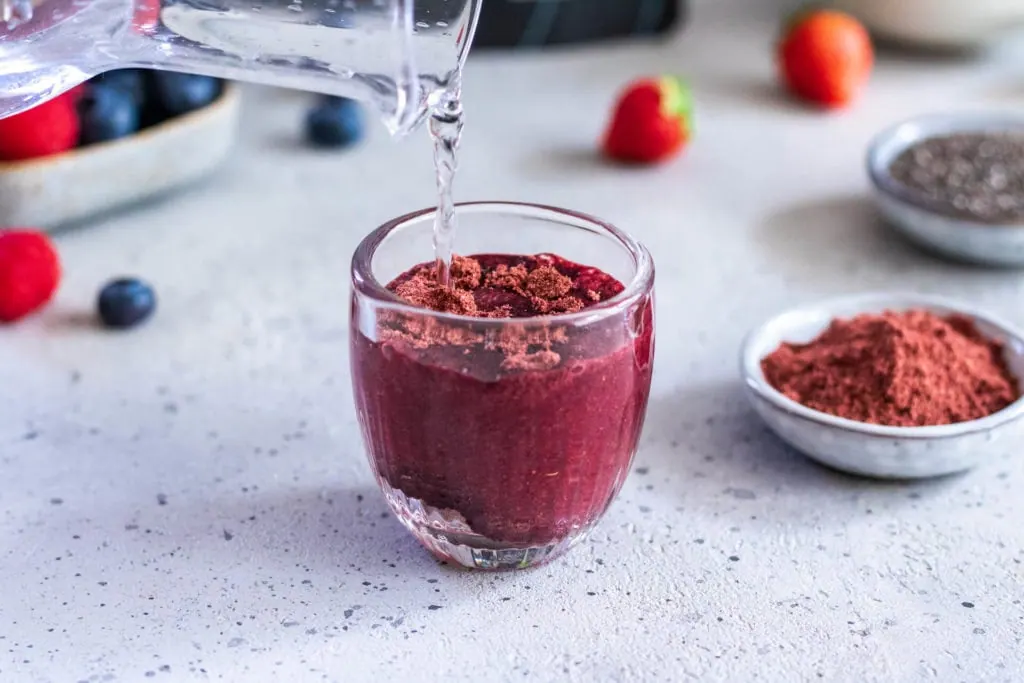
You can enjoy all the benefits described above every day – even in organic quality. Into Upgraded Organic Berries we added the best local berries, goji and chicory fibre, to create a product with a great taste.
Natural antioxidants work better
The paradox is that antioxidants, which help the human body, can also be harmful. This concerns consuming larger amounts of isolated antioxidants, which then start to support oxidative damage. That means that high doses of vitamin C on its own do not have the same effect as natural foods.
Antioxidants work best just as nature created them. The components in berries complement and support one another, which increases their antioxidant power. That is why you will not find any chemistry in Upgraded Organic Berries, only concentrated goodness from nature.
Links to studies:
- Dietary fiber decreases the metabolizable energy content and nutrient digestibility of mixed diets fed to humans
- Dietary intakes of berries and flavonoids in relation to cognitive decline
- High anthocyanin intake is associated with a reduced risk of myocardial infarction in young and middle-aged women
- Are antioxidants helpful for disease prevention?
- Red Raspberries-Fact sheets


Comments
There are no comments yet.