
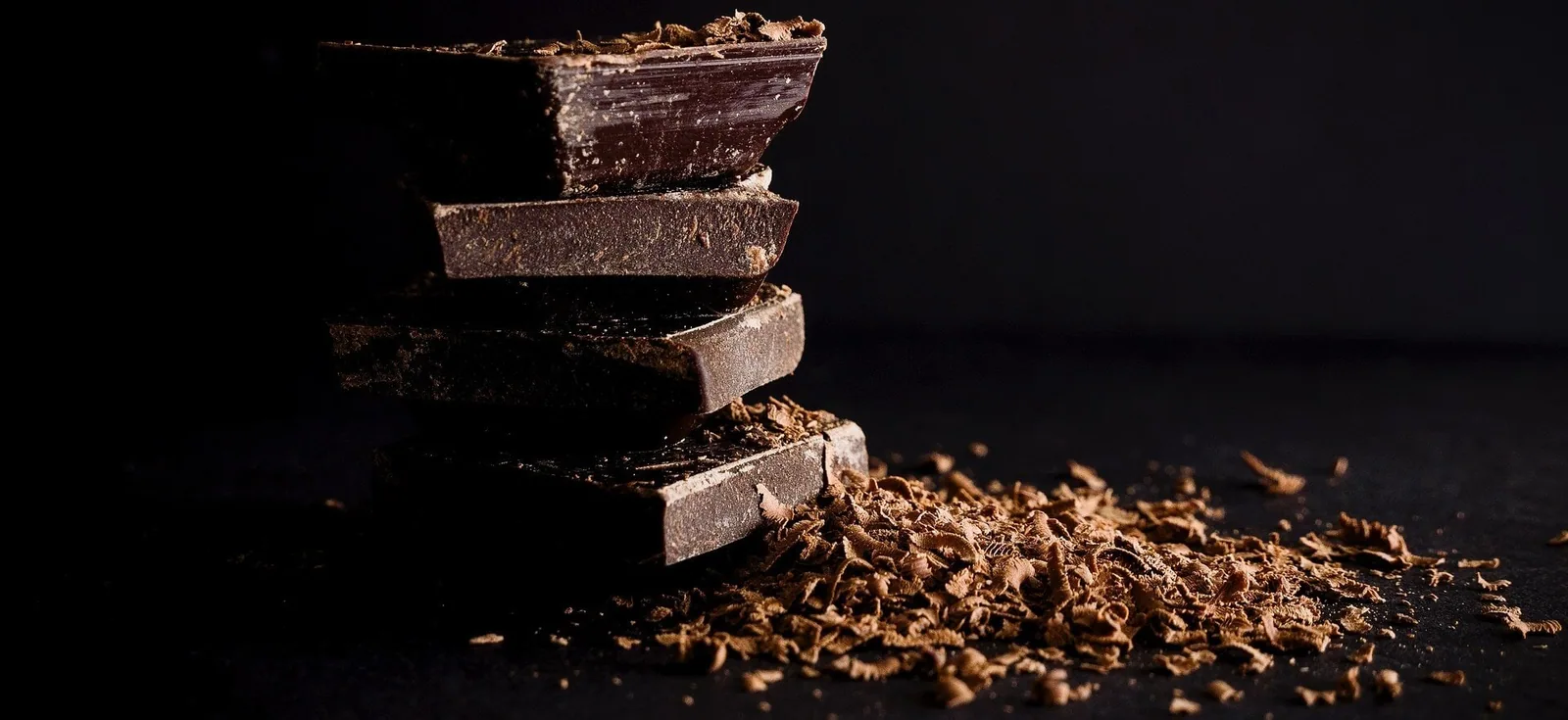
Do not overlook the 3 key properties and quality parameters that matter with chocolate, and how to spot real chocolate.
Chocolate as we (do not) know it
The way the public, or rather “consumers”, perceive food changes markedly over time, and it can be said that it goes through a certain development. Chocolate is no exception in this case. If we go a few thousand years back, the original inhabitants of Central America used the word cacao for the processed fruit of the cacao tree in liquid form. At that time, drinking cacao was associated with beneficial effects for the human body. Cacao itself and its processing had to travel a long way to take the form of today’s chocolate.

In this article you will read:
- The composition and nutritional values of chocolate.
- The advantages of eating good-quality chocolate.
- The positive influence of chocolate on the human body.
- Negatives connected with the production process of less good-quality kinds.
- What to focus on when choosing and storing chocolate.
Until recently chocolate was seen as a sweet treat to please the taste buds, but today we are slowly returning to its roots. Dark chocolate is now regarded as a wholesome food.
On the shelves of today’s shops we have various kinds of chocolate, most often divided into milk, white and dark chocolate. The white and milk chocolate mentioned have a minimal, or rather no, share of cacao, which is the cornerstone of the beneficial effects. Cacao content is the basic criterion when choosing chocolate correctly – chocolate that not only tastes good but also contains substances beneficial to the body. Good-quality chocolate can still serve as a treat for pleasure on diets such as low carb or keto. So if we are speaking of good-quality chocolate from which we want to get as many benefits as possible, a cacao content of at least 70 % is necessary. However, even a high cacao content is no guarantee of quality or a sign of a wholesome food.
100 g of good-quality chocolate contains important minerals:
- Calcium 73.7 mg (7 % of the recommended daily amount – RDA)
- Iron 12.0 mg (67 % RDA)
- Magnesium 230 mg (58 % RDA)
- Phosphorus 311 mg (31 % RDA)
- Potassium 722 mg (21 % RDA)
- Zinc 3.3 mg (22 % RDA)
- Copper 1.8 mg (89 % RDA)
- Manganese 2.0 mg (98 % RDA)
- Selenium 6.9 μg (10 % RDA)
https://nutritiondata.self.com/facts/sweets/10638/2#ixzz6JlXRwbj8
Iron is an important element involved in the formation of red blood cells, which carry oxygen around the whole body. Magnesium is one of the most important minerals for the correct functioning of cells in the body. Calcium is also a very important mineral which, among other important functions, is mostly associated with the health of bones and teeth. Manganese helps with the activation and formation of some enzymes that are involved, for example, in digesting food.
It should be noted that, like most nutritionally valuable foods, chocolate is also rich in calories, so the amount eaten should be considered. In terms of macronutrients, good-quality chocolate has a significant share of fats, in an optimal ratio of saturated and monounsaturated fatty acids and with a negligible amount of trans fatty acids. That is why it is suitable in smaller amounts even on a keto diet. Protein is represented at a level of roughly 8 g. Chocolate as such is generally known as a food containing a high share of sugar, but with good-quality chocolate this value should not exceed 20 g of sugar out of a total of roughly 45 g of carbohydrates.
Energy and macronutrients in 100 g of chocolate with a cacao content of 70 %:
- Energy: about 600 kcal
- Protein: 8 g
- Carbohydrates: 45 g
- Fibre: 11 g
- Fat: 43 g
- Saturated fatty acids 24.7 g
- Monounsaturated fatty acids 12.9 g
- Omega-3 fatty acids 34.3 mg
- Omega-6 fatty acids 1230 mg
https://nutritiondata.self.com/facts/sweets/10638/2#ixzz6JoUjf75V
The advantages arising from the nutritional composition given are only the beginning of a long list of beneficial substances and benefits that good-quality chocolate offers. The cacao in chocolate is an excellent source of biologically active substances and antioxidants. Polyphenolic compounds are worth mentioning, and above all flavonoids. The results of this study show that flavonoids, which are significantly represented in cacao, have a strong antioxidant effect and a number of other health advantages. These polyphenols are associated with improved blood circulation and arterial elasticity, with lower blood pressure and, not least, with a significant anti-inflammatory effect.
So how do cacao and chocolate influence our health?
An association with a lower risk of cardiovascular disease and with the blood pressure and cholesterol connected with it. The lower risk relates mainly to the polyphenols mentioned and to other active substances.
A 2015 study found that participants who ate 25 g of dark chocolate over 8 weeks had markedly lower blood pressure at the final measurements. The study was carried out on 60 participants who had type 2 diabetes and high blood pressure.
The results of another study from 2017 discuss the fact that the significant effects of dark chocolate on blood pressure are considerably more demonstrable in older people with a higher risk of cardiovascular disease.
A positive influence on cholesterol is also reported by this study, which describes a relationship between eating dark chocolate with almonds and improved HDL cholesterol values.
Anti-inflammatory effects
Chocolate contains substances with anti-inflammatory properties, which may reduce unwanted inflammation in the body. In this study the scientists concluded that daily consumption of 30 g of chocolate with an 84 % cacao content over 8 weeks markedly reduced the level of inflammatory biomarkers in people with type 2 diabetes. They also concluded that good-quality chocolate in a reasonable amount is genuinely suitable for people with this kind of condition.
The subject of a 2018 study was the relationship between eating dark chocolate and blood glucose levels among the Hispanic population. The conclusion was that daily consumption of 48 g of 70 % chocolate may lower glucose levels and reduce insulin resistance.
Improving mood and brain function
The improvement of brain function is down to the polyphenols in cacao mentioned above. This relationship is confirmed by research from April 2018, which confirms the benefits mentioned and speaks of improved function of the parts of the brain that serve learning and memory. In the conclusions of another study we find claims that eating 48 g of organic chocolate with a 70 % cacao share increases the neuroplasticity of the brain (its ability to change in response to stimuli), which results in positive effects on memory, concentration and mood. Chocolate also contains caffeine, which is a significant stimulant. Roughly 60 g of chocolate contains 50-60 mg of caffeine. For comparison, 60 ml of espresso contains about 80 mg of caffeine.
A positive influence on the skin
On the basis of the composition of chocolate, Harvard University published a list of vitamins and minerals which, among other things, are important for skin health. The list itself contains the vitamins and minerals we gave at the start of the article. Manganese supports the production of collagen (an important protein for good-quality skin). Another important mineral is calcium, which supports its regeneration.
But choosing good-quality chocolate is decisive
1. The origin of the cacao
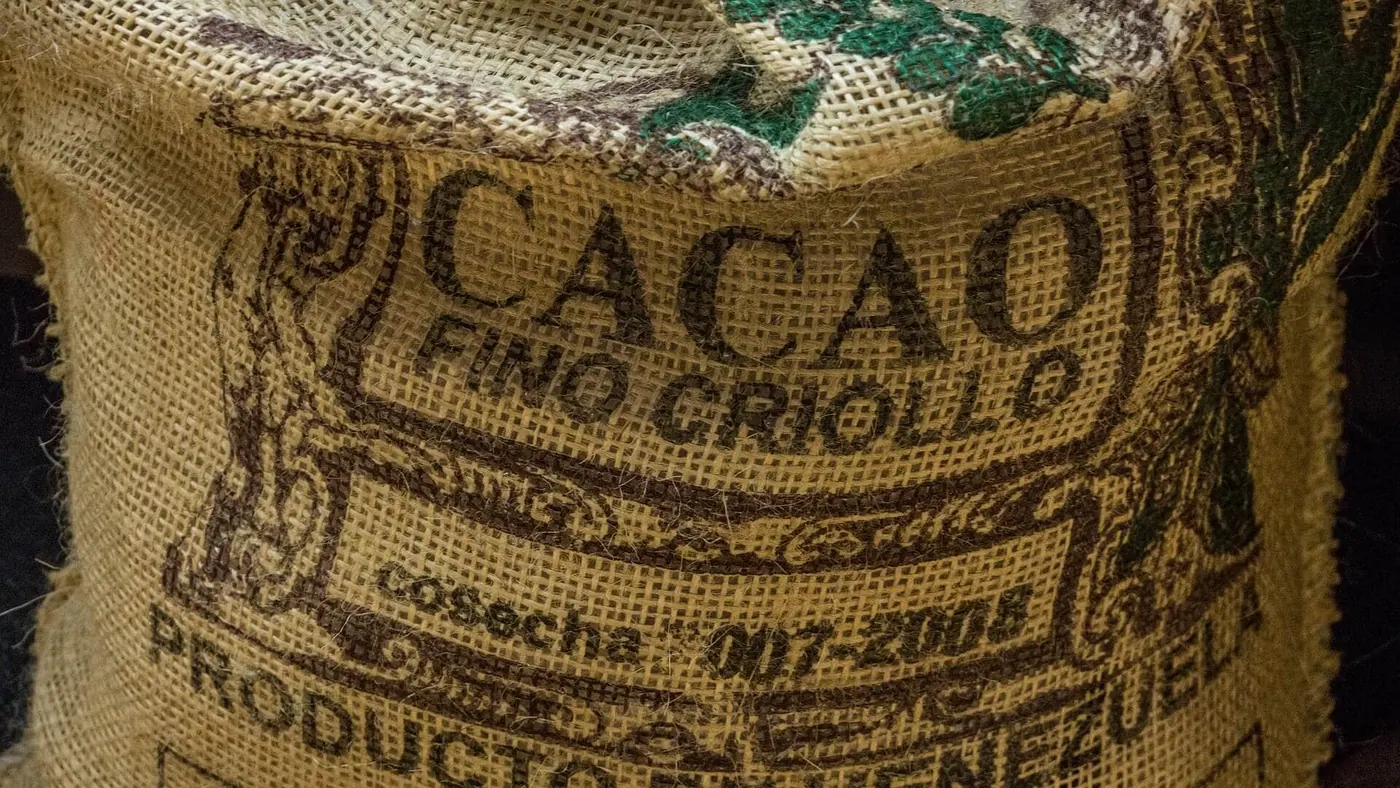
When we speak of quality, we have to look at the cacao beans themselves, which are the precondition for good-quality chocolate. From such chocolate you can get the benefits mentioned above. Most makers of the chocolate you find in large quantities, especially on supermarket shelves, use poor-quality Forastero cacao. This cacao comes from the Amazon lowlands and, because of excessive breeding aimed at the highest possible yield from the cacao trees, its taste is sour, unpleasantly bitter and it does not have the desired properties. Without additional processing of these cacao beans, the chocolate would be hard to eat because of its taste.
However, only about 6 % of world cacao production may carry the designation Fino De Aroma. The term Fino De Aroma is linked with two varieties of cacao, specifically Criollo and Trinitario. These two kinds have the desired taste properties and no chemical treatment is needed in the chocolate-making process.
2. The way the cacao is processed
By additional chemical treatment we mean the so-called alkalisation of cacao. Alkalisation of cacao is, put simply, a process that reduces (neutralises) the acidity of the less good-quality varieties of cacao beans mentioned. The process of “de-acidifying” cacao is carried out with the help of acidity regulators (alkalising agents), for example potassium carbonate. This step works because of the alkaline properties of the substances used. Another result of the alkalisation process is that chocolate or cacao processed this way is markedly darker. Alkalisation, however, has a fundamental influence on the content of antioxidants, vitamins, minerals and other beneficial substances such as the polyphenols and flavonoids mentioned.
So alkalisation of cacao indirectly leads to minimal use of the positive effects of cacao and chocolate. This issue is also addressed by this study, whose aim was, among other things, to compare antioxidant levels before and after the alkalisation process. For example, natural cacao that has not gone through alkalisation contains 34.6 mg of antioxidants per 1 gram. After light treatment it is 13.8 mg (less than half), at a medium degree of alkalisation it is 7.8 mg and at the highest alkalisation only 3.9 mg of antioxidants. Additional alkalisation therefore strips cacao of 60 to 90 % of its antioxidants.
Another problem in production is the heat treatment (roasting) of the cacao beans. At roasting temperatures above 120 °C, undesirable substances harmful to health are formed, such as acrylamide, which potentially increases the risk of cancer. The roasting of cacao beans and the subsequent formation of acrylamide is addressed by this scientific publication.

3. The composition of chocolate: cacao mass vs. powder
A high share, or percentage, of cacao on the label is often taken as the equivalent of quality in the case of chocolate. Here too some producers mislead and replace the better-quality cacao mass with cacao powder, palm fat and other additives, which they count into the share of cacao in the chocolate.
From this it follows that when choosing chocolate it is necessary to be watchful, so that we get what we expect. If you want to draw the benefits of eating chocolate and get what you pay for, then the best alternative is to buy chocolate labelled Bean to bar.
The term Bean to bar means that the producer chooses all the ingredients themselves and oversees the making of the chocolate from the harvest of the cacao fruit to the final form of the chocolate.
And that kind of chocolate you can eat without regrets.
Chocolate is ideally stored away from direct light and high humidity. The optimum storage temperature is around 20 °C. Freezing chocolate is not recommended.
Summary
- Dark chocolate is an excellent source of vitamins, minerals and beneficial polyphenols.
- When eating chocolate we can draw a large number of positive effects from its nutritional profile.
- Chocolate does not have the desired benefits and moreover can be harmful if undesirable procedures were used in its processing (alkalisation, excessive heat treatment, the use of poor-quality raw materials and cacao substitutes).
- Producers of less good-quality chocolate often do not give all the information about additives and production procedures.
- It is important to pay attention to quality, origin and storage, which are commonly overlooked because of the higher price of good-quality chocolate.
Image source: unsplash, pixabay


Comments
There are no comments yet.