
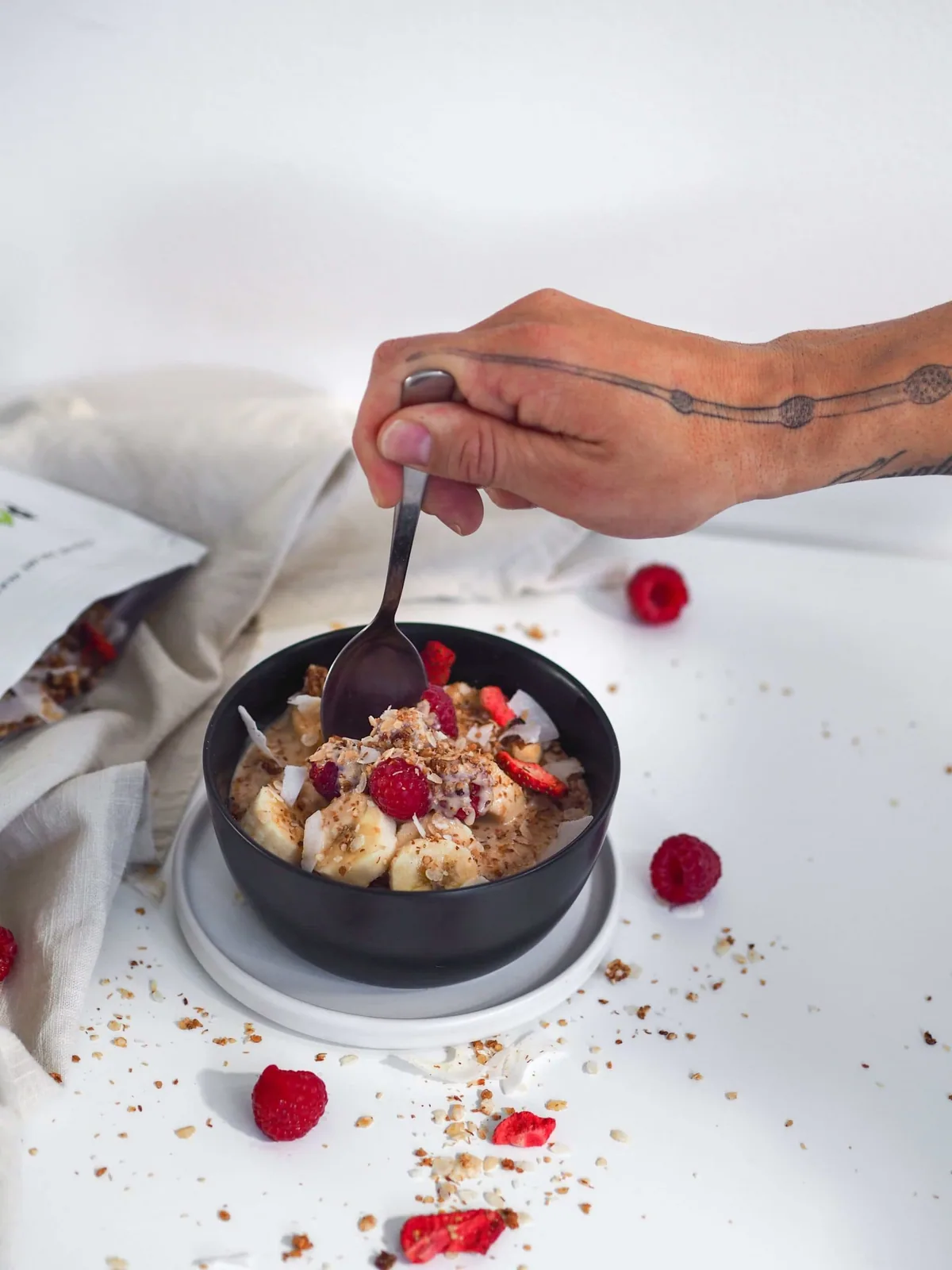
For most Slovaks, breakfast – just behind lunch – is still the most important meal of the day. Breakfast culture is changing, but very slowly. That is what came out of the online survey we ran.
As many as 70 % of respondents think they eat a healthy breakfast. Among the most popular dishes are classics such as bread with ham and cheese. Slovaks want their breakfast to be tasty, nutritionally valuable and quick to prepare.
The survey looked at overall eating habits, preferences and behaviour among a sample of almost 1,000 economically active Slovaks.
Only one Slovak in ten goes to work in the morning on an empty stomach. The reasons they give most often are that they do not feel like eating in the morning, they are not hungry, they are losing weight, they do not have time, or they do not consider breakfast healthy.
The faster pace of life has also changed how people eat breakfast. While 71 % of respondents still enjoy their breakfast in the comfort of their home, more than a quarter of those surveyed only start their stomachs at work or at school.
“More and more people are starting to realise that breakfast is not just about calories, but about complex nutritional value and nutrition not only for the body but above all for our brain. Breakfast significantly influences our digestion, which in turn affects how we feel and how our thinking works. With the right, balanced breakfast we have our energy under control and hunger or stress never catch up with us,” said Dušan Plichta, founder of Powerlogy and a specialist in functional foods.
What do Slovaks eat for breakfast?
Breakfast culture in Slovakia is changing slowly. A third of those surveyed serve themselves bread with something savoury such as ham or cheese in the morning. Two in ten prefer porridge, 13 % make eggs and 11 % love yoghurts and dairy products. Almost half of the respondents prefer a savoury breakfast.
Interesting results from the survey also confirmed that as many as a third of Slovaks are willing to pay more for the quality of their morning meal. The great majority, however, do not think about the price of breakfast at all.
Almost two thirds of respondents said that taste is the most important thing about breakfast. For more than 45 % the nutritional and energy value matters, and more than 40 percent care about how quickly it can be made. On the other hand, as many as 40 % of respondents do not care at all about the nutritional composition of their breakfast or the content of emulsifiers and artificial ingredients.
“Breakfast and its composition should match the activities we are getting ready for and what we plan to eat during the day. A varied breakfast rich in different nutrients is important especially for children; we place the main emphasis on choosing quality foods without additives, preservatives and other added substances. Fruit and vegetables go without saying – if not at breakfast, then certainly as a mid-morning snack. Home-made sweet products with a reduced sugar content also belong to a good breakfast. Various popular porridges, cereals and granolas are suitable too, as are grain mixes in milk, yoghurt and quark. Drinking the occasional smoothie or vegetable juice in winter can also be beneficial for the body,” said nutrition expert Silvia Horecká about breakfast.
Slovaks are warming to a modern approach to eating
Slovaks are also trying to change how they eat throughout the day. Many have made changes towards a healthier lifestyle over the past year. As many as 34 % have reduced their intake of fried food, two in ten eat less processed food and 20 % have given up fatty products.
Most people, however, have started deliberately avoiding sugars. As many as 41 % of people have tried to reduce sugar in their diet over the past year. Many prominent dietitians have said that sugar is the drug of today’s world.
Even small children can become highly attached to it. “Control over sugar intake is in everyone’s own hands, and it is up to each person how they manage added sugar. My first recommendation is to buy fewer sweets and sweetened drinks. But there is no need to panic if you or your child taste a home-made cake once in a while,” Horecká adds. Deliberately reducing simple sugars in the diet is a good start on the road to better health.
The online survey was completed by 942 economically active people aged 25-60 between 28 August and 4 September 2020.


Comments
There are no comments yet.