
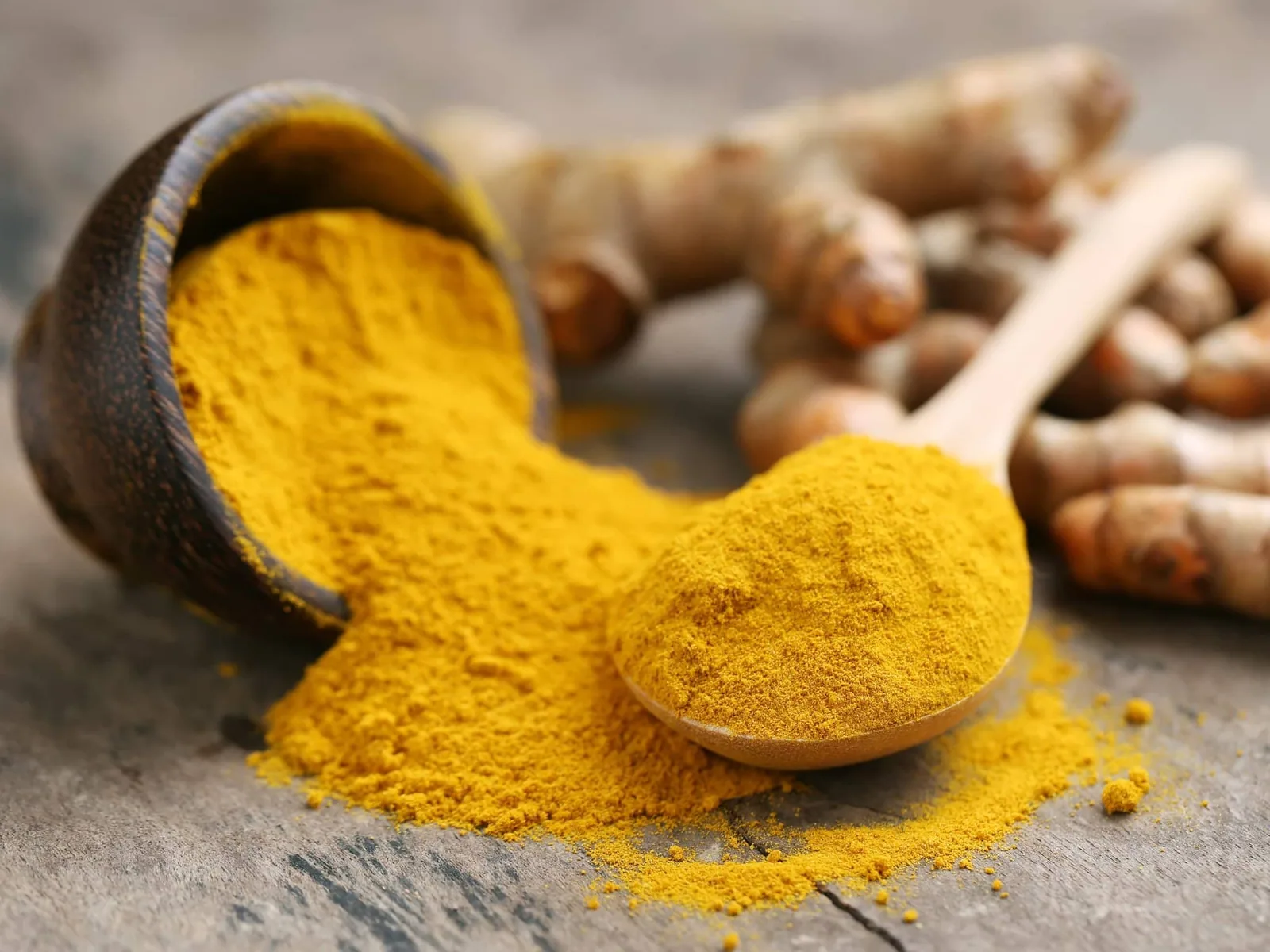
Turmeric is a striking spice that has been used for centuries in cooking and in traditional practices. This root, a cousin of ginger, comes originally from south-east Asia and is sometimes called “Indian saffron” because of its beautiful golden colour.
In this article you will also find a coupon for a 10 % discount on:
What is turmeric good for?
Besides giving dishes a distinctive taste, turmeric is widely studied. Turmeric’s active compound, curcumin, is being researched in a range of contexts. As a point of interest, turmeric bought in a shop contains only 2–3 % curcumin.
Many studies focus on highly concentrated curcumin preparations in the form of powder, tablets or extract intended for therapeutic dosing.
Turmeric and 4 areas researchers look at
1. Inflammation and brain function
Inflammation is discussed as a factor in many health conditions such as metabolic syndrome and heart disease. It has also been described as playing a role in the decline of cognitive function. In these contexts turmeric is studied for its anti-inflammatory properties.
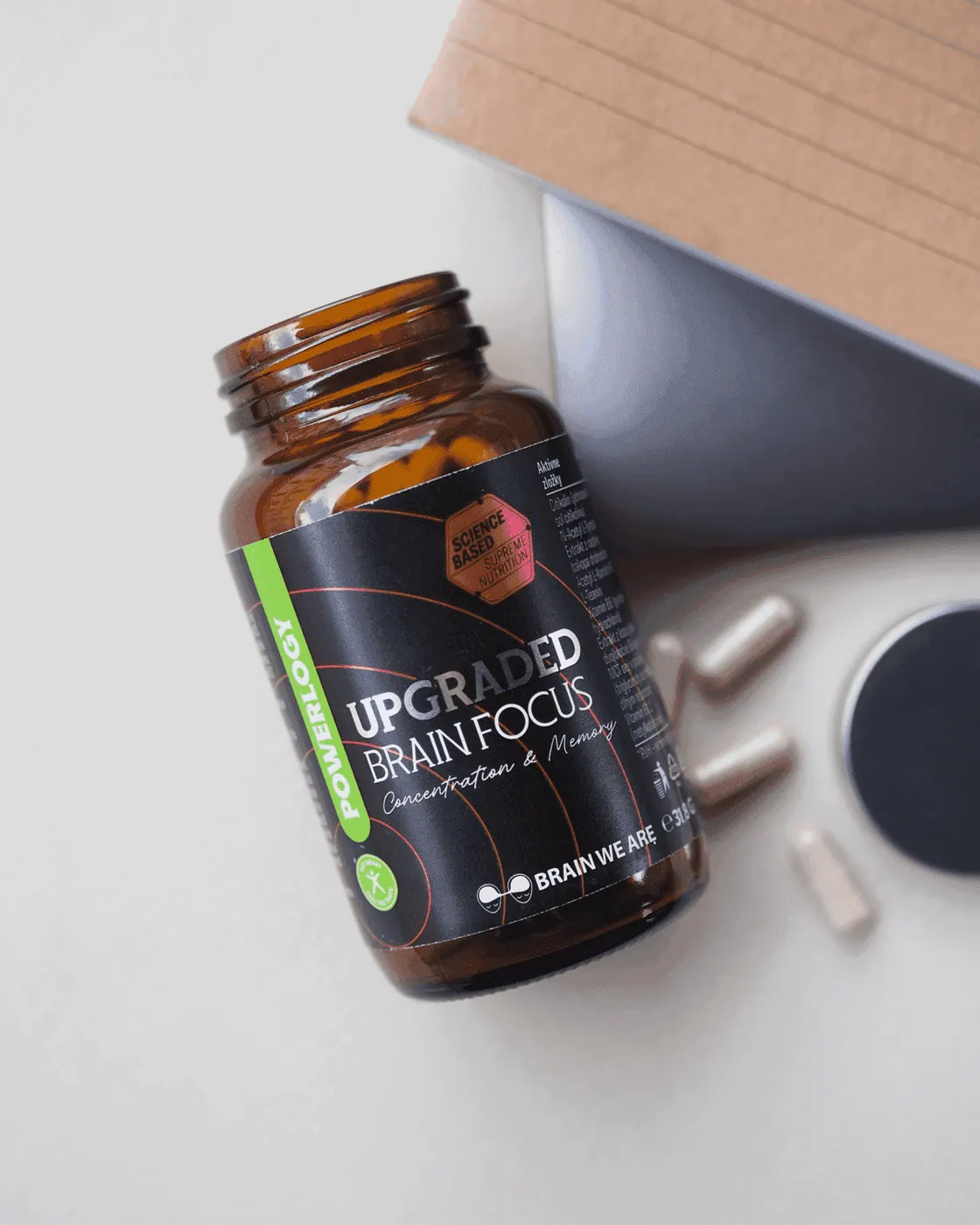
Interested in nutrition for the brain? In that case we recommend our complex supplement Brain Focus. Try our active nootropics. ?
Some of the biochemical changes associated with brain ageing have been studied in relation to turmeric. So it is a good idea to include turmeric in our food and enjoy it as part of a varied diet.
2. Antioxidants and free radicals
Turmeric is described as a potential antioxidant. It has been shown to increase the antioxidant capacity of the organism and to help counter damage by free radicals. That has been looked at in relation to the immune system and to brain function.
So go ahead and add 1–2 teaspoons of turmeric to your favourite smoothie, or try our bioactive turmeric latte with ghee and MCT oil at home or in our café.
3. Turmeric, black pepper and absorption
The anti-inflammatory, antioxidant and antimicrobial properties of curcumin are the reason turmeric is so widely researched. While curcumin on its own is not easily absorbed into the bloodstream, consuming it with black pepper increases absorption, thanks to black pepper’s active substance called piperine. One tried-and-tested recipe is iced tea with ginger and a pinch of black pepper.
Our simple and well-tested combination is 1 tsp ofPowerlogy Upgraded Organic Turmeric 300 g+ 1 tsp ofPowerlogy Organic Ghee Butter 320 ml, stirred into 50 ml of hot water.
Curcumin has been studied in relation to several of the risk factors discussed in connection with cardiovascular disease. Research into cardiovascular disease has looked in particular at the function of the endothelium, the inner lining of the vessels. Several studies suggest that curcumin was associated with improvements in this function comparable to those seen with exercise, which also supports it. So if you cannot make it to a workout, at least add 1–2 teaspoons of turmeric to your smoothie.
4. Digestion and the microbiome
It is not for nothing that people say the digestive tract is responsible for as much as 80 % of the strength of the immune system. The gut microbiome is the sum of the bacteria in the large intestine, which are in charge of converting indigestible food residues, mainly fibre, into further metabolites and gases. You can certainly imagine the havoc a disturbed gut microflora can cause. We call this state dysbiosis and it has a wide range of effects on the organism.
Gut microflora can be disturbed by a long-term unhealthy lifestyle, stress and frequent consumption of alcohol, sugar, white flour and in principle everything that is not natural for us. You will most likely also feel the effects after taking antibiotics or certain other medicines. Turmeric can be a welcome addition here too. Chicken broth with turmeric, for example, is a real comfort food and a balm for a delicate day.
Tips for using turmeric in your kitchen
Turmeric is characterised as a spice. From the science of cooking we know well that spices are best combined with quality fats, not only for the taste but also for the way they work. Turmeric’s active component is curcumin, and that is very readily soluble in fats. So it is of course recommended to eat it with food or a drink containing fats.
Using turmeric in savoury dishes
- Soups: Turmeric enriches creamy vegetable and pulse soups.
- Sauces: You can add it to sauces for meat or vegetables.
- Rice and pasta: A small amount of turmeric gives the dish a beautiful colour and a delicate taste.
- Sautéed vegetables: It goes wonderfully into vegetable mixes with onion and garlic.
Turmeric in sweet dishes
- Smoothies or porridge: It combines well with honey, vanilla and coconut milk.
- Healthy desserts: Energy balls or muffins, where it adds an interesting taste and colour.
Our 3 best combinations are:
- The Indian approach and the combination with ghee.
- The Mediterranean approach and the combination with olive oil and butter.
- The biohacker approach and the combination with MCT oil, almond milk or cashew cream.

As a bonus we recommend our new white, or rather yellow, turmeric chocolate! ? It contains almost 2x less sugar than ordinary white chocolates and is suitable for vegans. We underlined the functional side of the chocolate with turmeric. Use the coupon kurkuma10 and buy Powerlogy turmeric chocolate with a 10 % discount.
As you read above, to get the most out of turmeric it is essential to consume it with piperine, the active component of black pepper. One study showed that black pepper improved the absorption of curcumin by as much as 1000 %.
In Powerlogy Upgraded Organic Turmeric 300 g we combined all these findings and created an optimal and complex mix of quality organic spices with extra adaptogens. Taste the power of real spices and see for yourself.
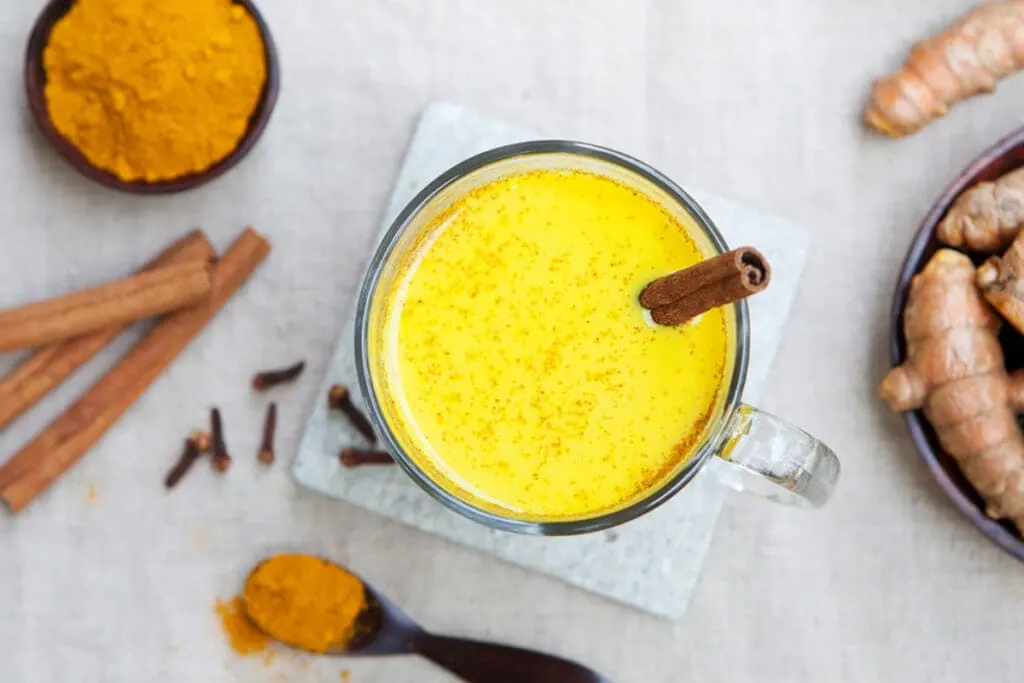
Powerlogy golden milk
This is our tried-and-tested recipe, which you can also taste with us directly in Powerlogy space&coffee. The method is simple: warm the drink like hot milk and blend it thoroughly with a stick blender.
- 200 ml coconut or almond milk
- 1 tbsp ghee butter
- 1 tbsp MCT oil
- 1 tsp Organic Turmeric
Conclusion
Turmeric really does stand out among herbs and spices. That is also why scientists often count it among the adaptogens, natural plants studied for their role in helping to balance our hormonal system. It is not for nothing that in India they call it a natural antibiotic. Turmeric, whether in powder or root form, should therefore not be missing from any household. And since it often comes from India, we clearly recommend it in organic quality.


Comments
There are no comments yet.