
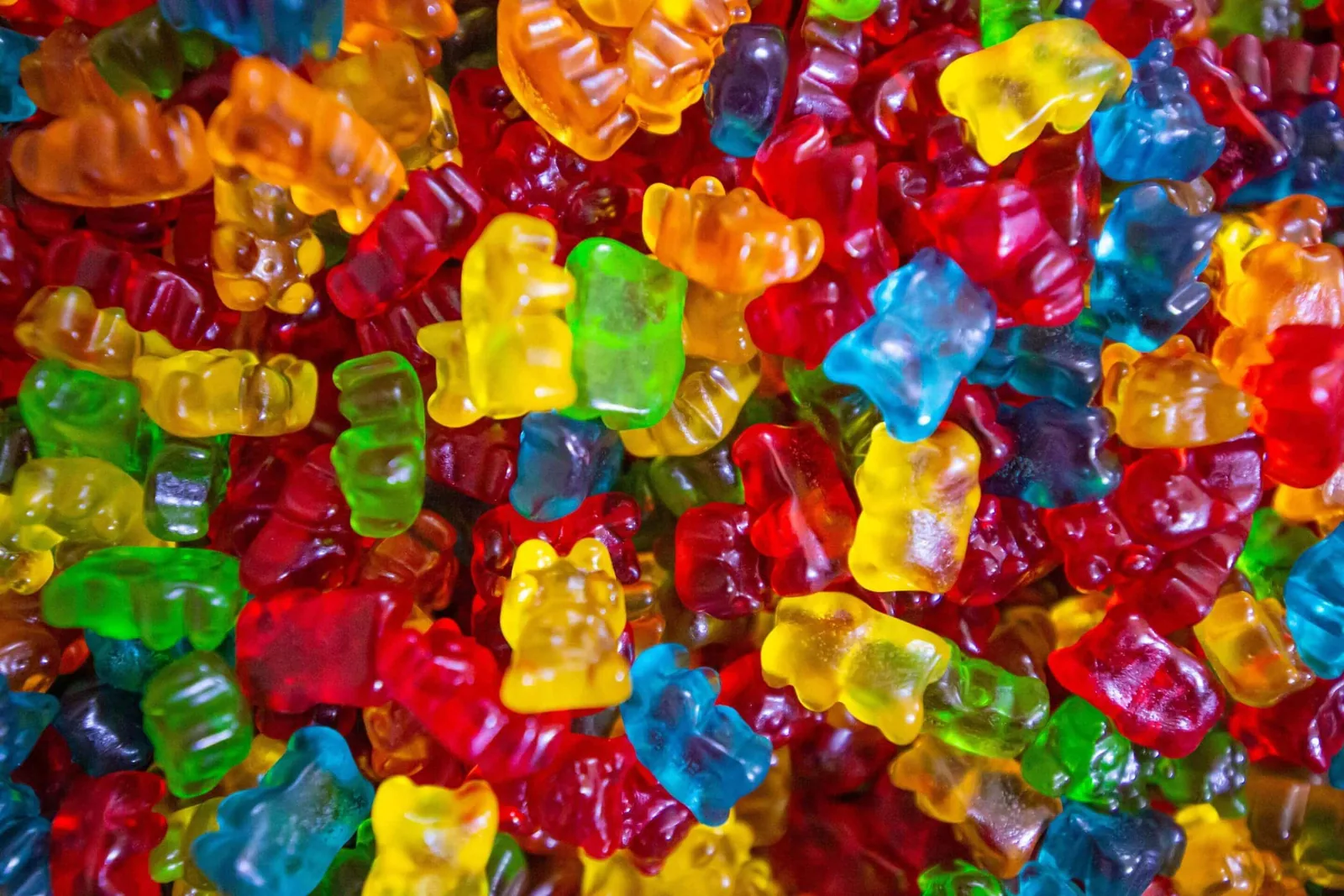
The title of this article already suggests that things are not entirely rosy with the everyday foods produced by the modern food industry. Paradoxically, everything could be rosy — all it takes is adding the right compounds and we can enjoy the whole colour spectrum in our food.
The colour and fresh appearance of food are among the basic criteria when choosing food. Not to mention how fresh, healthy and colourful food can look after a gentle touch of modern chemistry. However, not all additives are the same and added ingredients have been used in food for centuries. In the past, salt was used to preserve food, various herbs to season it and sugar to preserve fruit. Then, at the beginning of the 20th century, synthetic colourings began to be added to dairy products and cheeses, various emulsifiers to margarines and texture-changing preparations to jams.
Additives celebrated their rise at the end of the 20th century, allowing the food industry to produce a wide range of foods of uniform quality and above all at a “reasonable price”. Technological progress in this area gives food producers the option of using a large number of synthetic as well as natural additives. Additives must, however, be approved and listed on food labels. In some cases labels carrying the composition of food contain a number of terms that more than one consumer gets lost in. At this point it is natural to wonder whether all additives are safe and, on the other hand, whether they are so necessary that they should make up a significant part of the composition of our food.
- What food additives are
- How additives are classified and what function they serve
- The most commonly used additives and their natural alternatives
- Why choose food without additives
According to the Slovak State Veterinary and Food Administration, additives are understood to be all permitted added substances such as colourings, sugar substitutes, preservatives, antioxidants, acids, acidity regulators, emulsifying salts, raising agents, thickeners, gelling agents, stabilisers, emulsifiers, flavour enhancers and so on. In food production, added substances may only be used in the strictly necessary amount, and maximum permitted limits are set. These substances serve to improve the conditions of production, treatment, transport and storage of food, to increase resistance to physical, chemical and biological changes, to extend the shelf life of food, and to improve the nutritional value and organoleptic properties of food.

For a summary and easier orientation, food additives are divided into three main groups: colourings, sugar substitutes and other added substances. They are then divided by function into antioxidants, preservatives, food colourings, flavourings, sweeteners, emulsifiers, additives improving nutritional value, acidity regulators, gelling agents and thickeners, and anti-caking agents ensuring good transport properties.
Every additive contained in a processed food must be listed on the label of the packaging. The “E” designation means that the use of these substances in food has been approved within the European Union.
|
E100 – E199 |
colourings |
|
E200 – E299 |
preservatives |
|
E300 – E399 |
antioxidants, emulsifiers and stabilisers |
|
E400 – E499 |
emulsifiers and thickeners |
|
E500 – E599 |
additives with various functions |
|
E600 – E699 |
flavourings |
|
E700 – E799 |
antibiotics |
|
E800 – E1500 |
additives with various functions |
|
E1500 – E1525 |
artificial flavourings and flavouring solvents |
Additives can be of natural or synthetic origin. As stated in the introduction, natural added substances have been used for centuries, which suggests that natural added substances are clearly the healthier alternative.
Why colourings? Because appearance matters
Artificial food colourings are applied to brighten and improve the appearance of a large number of foods, from sweets to certain kinds of spices. Producers often use artificial colourings to make their products visually more attractive, even where the nutritional values and the quality of the ingredients lag seriously behind the appearance.
Synthetic food colourings are used because of their high stability and low cost. However, ever-growing consumer demands have led to the gradual replacement of synthetic colourings with natural alternatives.
Using natural colourings brings complications in the form of colour stability, interaction with other ingredients and the inability to match the required shades, and of course higher costs as well. Here natural colourings draw the shorter straw and it is hard to achieve the same visual results as with artificial colourings.
It is important to consider whether we want to eat food containing natural or synthetic ingredients. In recent years, however, many concerns have arisen about the possible health effects of synthetic colourings. Among the undesirable effects of some colourings on the human body we can mention allergic reactions, a reported association with ADHD in children and, in some cases, it is reported that synthetic colourings may have carcinogenic effects. Studies differ in their conclusions, so it is sensible to wait for further research.
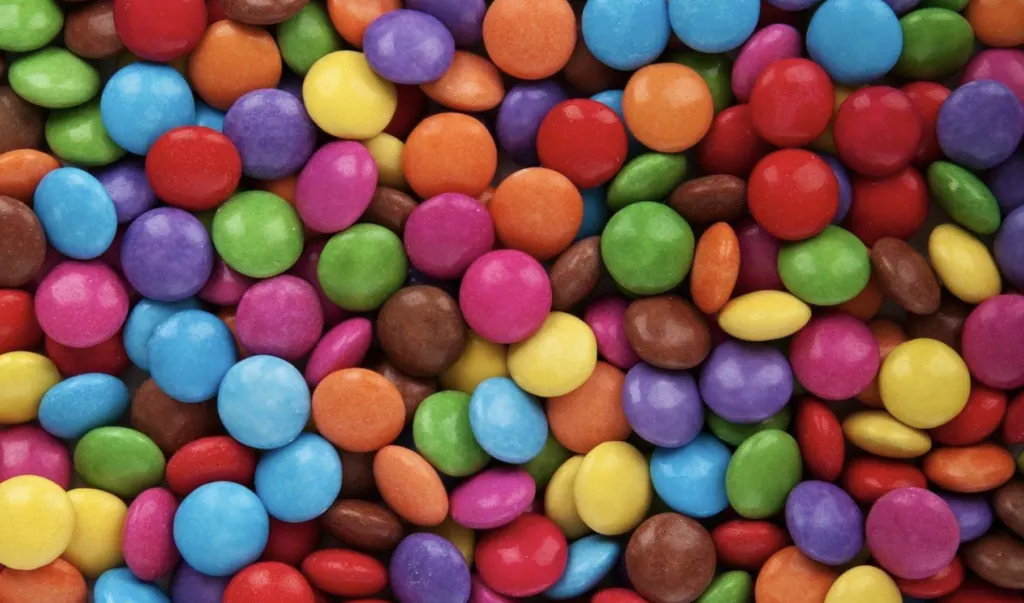 In any case, synthetic food colourings are found above all in processed foods, which should not make up a significant part of a healthy diet. It is recommended to eat whole foods (unprocessed foods, vegetables and fruit, meat), which have a higher nutrient content and naturally contain no synthetic additives.
Natural alternatives to synthetic colourings include above all beetroot extracts for achieving a blue-red to brown colour. Caramel is used as a colouring to achieve yellow to brown shades. With the help of beta-carotene and turmeric extract we achieve yellow to orange, and in the case of grape extract we achieve red or green colour.
Artificial sweeteners? In the end sugar is not that much of a problem
Artificial sweeteners are sugar substitutes used as an alternative to refined or natural sugar. These compounds are many times sweeter than natural sugar and their production is inexpensive. The use of these sweeteners is often linked with their minimal calorie value in weight reduction.
Artificial sweeteners are frequently the subject of heated debate. On the one hand they are considered relatively safe and in some cases even recommended for people with excess weight and other health complications. On the other hand there is a lot of discussion about their side effects and negative impacts on the human body.
The artificial sweeteners with the largest share in the food industry are: aspartame E951, sucralose E955 and saccharin E954. Some studies have reported an association between aspartame and the development of tumours or other health difficulties. Other studies have reported associations between artificial sweeteners and diabetes, headaches, digestive difficulties and further complications. Again, the results of the studies differ in many cases and it is hard to deliver a clear verdict on the harmfulness of artificial sweeteners.
When it comes to the sweet taste of food as well, the fewer chemical compounds in food, the more we reduce the possible risk of negative impacts on our health. Healthier alternatives to refined sugar include naturally sweet foods, honey, cane or coconut sugar and exotic syrups. Again we come back to whole foods, such as fruit, which is naturally sweet in itself, is highly nutritious and has a high nutrient content, a high fibre content and a low glycaemic load. Some food producers, especially recently, are trying to use these naturally sweet foods to achieve a clean, sweet taste in their products.
Shelf life matters
Preservatives are additives that serve to extend the shelf life of food. Above all they prevent the growth of undesirable microorganisms and the subsequent spoiling of food, and they also prevent the growth of pathogens. They belong among the controversial additives given the health risks that increased consumption brings with it. As mentioned above, preservatives have been used in food for several centuries and are among the necessary parts of our food.
Some preservatives may be a cause and trigger of allergic reactions. These are preservatives such as: sulphur dioxide and sulphites, benzoic acid, nitrites, boric acid, sorbic acid and sorbates.
If we are to mention natural preservatives, we certainly must not leave out salt, sugar, honey, garlic, chilli, vinegar, citric acid and some fats and oils. To extend the storage life of food and protect it from spoiling, processes such as deep freezing, preserving and fermentation are used.
Because shape and texture matter
To adjust physical properties during food processing, mainly emulsifiers, stabilisers, foaming agents and similar substances are used.
Most of these substances come from natural sources, but modern chemistry has a considerable share here as well. Among the best-known natural substances are starches from maize, potatoes or pectin, which is obtained from apples or citrus fruits. Lecithin, obtained from soya, oilseeds or egg yolks, is also often used.
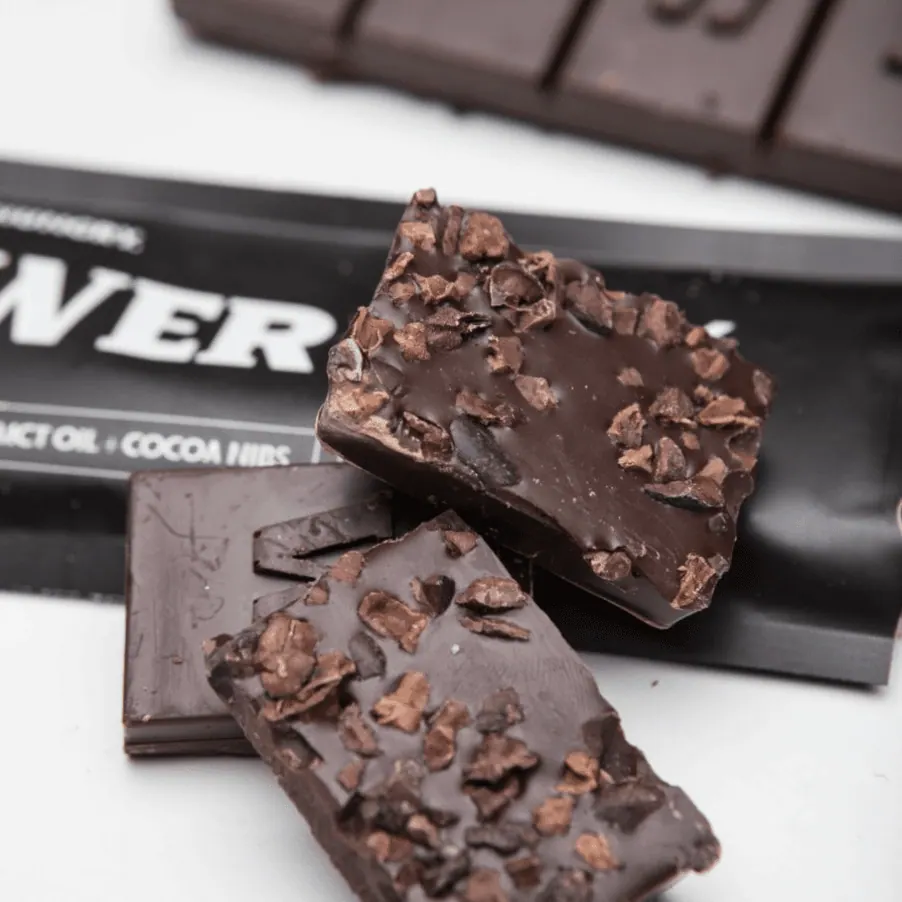
Lecithin is often used as an additive in the production of chocolate. Thanks to lecithin, producers can combine ingredients that would otherwise be hard to mix, such as oil and water. Lecithin reduces the surface tension of fats and allows them to be mixed with other components. Although lecithin is a safe additive, it can cause allergic reactions. If the very best ingredients are used to make a quality chocolate treat, there is no need to add lecithin at all, and a great example is precisely this chocolate.
Summary
As stated in the introduction to this article, various ingredients have in some cases been added to food for several centuries. These substances, however, largely have a natural basis and over time it has turned out that in reasonable amounts they pose no risk to the human body and health. On the other hand, various chemical compounds that are commonly added to food are over time turning out to be risky and represent a potential threat to health.
The conclusions of studies vary and it is difficult to give a clear verdict on the harmfulness of some additives. Fortunately, progress in science gives us a more detailed view of the issue, and additives that were used in the past and were not considered a risk at the time are today banned for their negative effects.
Producers often use synthetic artificial substances because these additives are cheaper to produce and cover up many shortcomings arising from the low quality of the ingredients or foods used. With food it is ideal to focus on whole foods without synthetic additives, or to choose producers who use the highest-quality ingredients and therefore do not have to add synthetic additives to food.
- Additives celebrated their rise at the end of the 20th century, allowing the food industry to produce a wide range of foods of uniform quality at “reasonable prices”.
- In food production, added substances may only be used in the strictly necessary amount.
- The “E” designation means that the use of these substances in food has been approved.
- Some studies have reported associations between artificial sweeteners and diabetes, headaches, digestive difficulties and further complications.
- Other synthetic additives may be a cause and trigger of allergic reactions.
- With food it is ideal to focus on whole foods without synthetic additives, or to choose producers who use the highest-quality ingredients.
Image sources: unsplash, powerlogy, pixabay


Comments
There are no comments yet.