
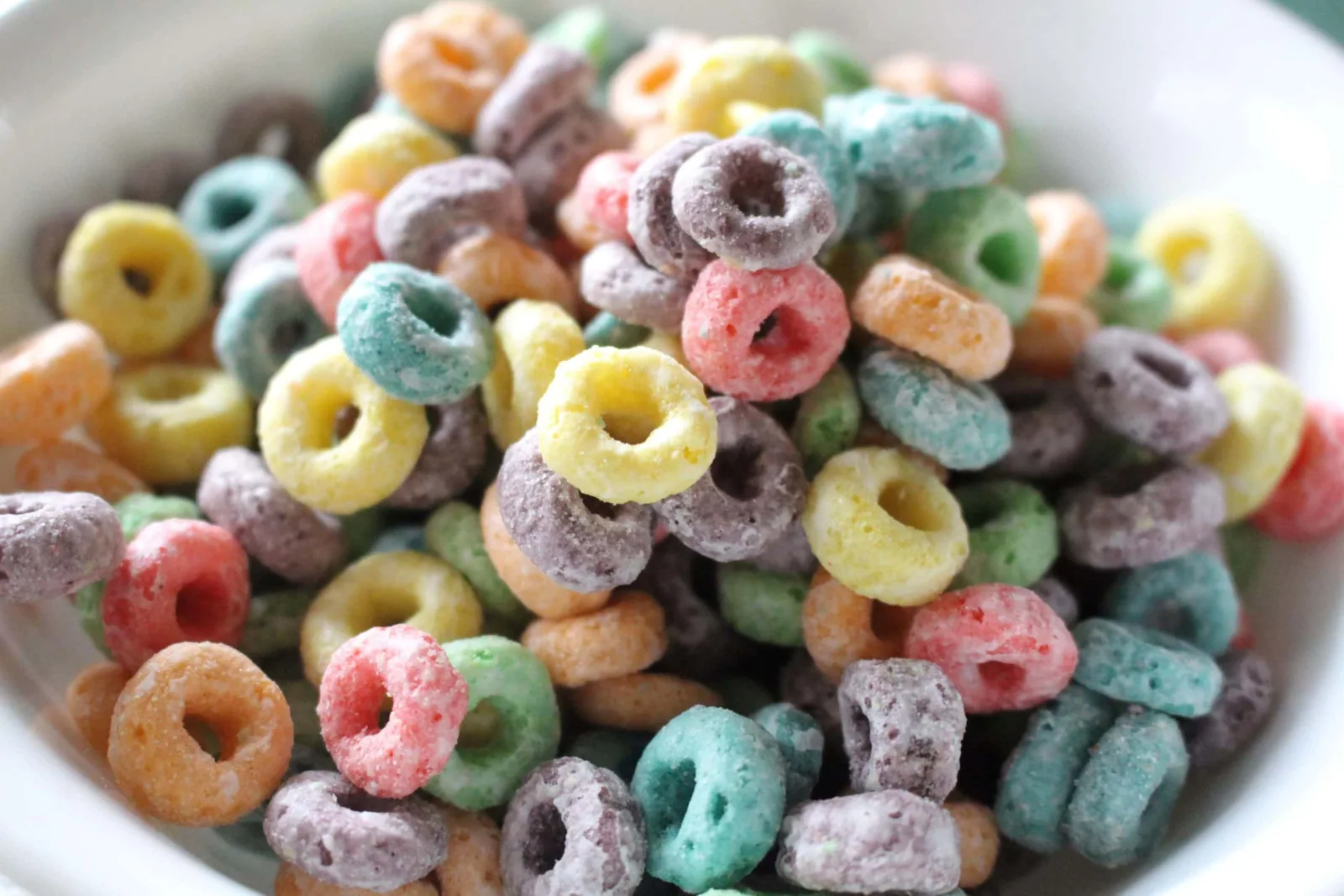
You are what you eat. A phrase not everyone identifies with or agrees on, yet in some cases it holds truer than we would expect. In previous articles on this blog we have already looked at the connection between diet and various problems related to our health.
Diet does not treat a diagnosis, but it can smooth out swings in energy. A simple composition without added sugar helps. Those are the recipes we at Powerlogy have long been looking for. In the following sections of the article we will look at ADHD (Attention deficit hyperactivity disorder) and the influence of diet on the unfavourable manifestations associated with behaviour.
In this article you will read about:
- What attention deficit hyperactivity disorder is
- Causes and symptoms associated with ADHD
- How food may influence the course of ADHD
- What to cut out of your diet and which foods to rather avoid
- What to eat to support brain function
- Recommendations and inspiration
ADHD (Attention Deficit Hyperactivity Disorder) is a neurodevelopmental disorder of the regulation of attention, impulses and activity. It begins in childhood and often persists into adulthood in many people. It shows itself in persistent inattention, hyperactivity or impulsivity that is inappropriate for the person’s age and the situation. The difficulties may be present in several settings and can make everyday functioning harder. Three forms of the disorder are distinguished: **inattentive, hyperactive-impulsive and combined.** The causes are multiple, with a considerable role played by genetics and different brain development. **ADHD is not laziness, nor the result of poor upbringing or comfort-seeking. It is a disorder with a biological basis and specific diagnostic criteria.** The diagnosis is made by a psychiatrist or clinical psychologist after a comprehensive assessment and collection of information. Treatment has several layers and includes psychoeducation, habit training and adjustments at school. Sometimes a doctor will recommend medication, which can ease key symptoms in important situations. **Changes to the daily routine and a suitable diet can support coping with the difficulties.**
The causes and risk factors associated with the development of ADHD are not yet known, but current research and studies suggest that genetics plays an important role in this disorder. Scientists and experts in the field study possible causes and risk factors in an effort to understand how the condition arises and then to reduce the likelihood of it occurring.

Other possible causes and risk factors that scientists are examining in detail include:
- injury/damage to the brain
- influence of the external environment during pregnancy or at a young age
- use of alcohol and tobacco during pregnancy
- premature birth
- low birth weight
The widely held views that ADHD is caused by eating excessive amounts of sugar, watching a lot of television, or by social and environmental factors are not scientifically supported. These factors may significantly influence the symptoms and course of the condition, but they are not the main causes of ADHD.
The symptoms of ADHD can be classified into two groups of behavioural problems: inattention, and hyperactivity and impulsivity. A larger proportion of people with ADHD deal with problems falling into both groups. As has already been indicated, some people with this condition may have problems with inattention but not with hyperactivity or impulsivity. In that case we speak of attention deficit disorder, ADD.
The group of symptoms in children associated with inattention:
- an inability to hold attention for longer periods, together with being distracted/disturbed
- frequent careless mistakes – in schoolwork or games
- frequently forgetting or losing things
- an inability to finish tasks that are lengthy or time-consuming
- problems listening to or carrying out instructions
- constantly changing activities or tasks
- difficulty organising tasks
The group of symptoms in children associated with hyperactivity and impulsivity:
- an inability to sit still, especially in a calm or quiet environment
- constant fidgeting
- an inability to concentrate on tasks
- excessive physical movement, motor activity and talking
- an inability to wait in a queue
- frequently acting without thinking
- excessively interrupting others
- little or no sense of danger
https://www.nhs.uk/conditions/attention-deficit-hyperactivity-disorder-adhd/symptoms/

The symptoms of ADHD in adults are harder to define and observe than in children, because of a lack of relevant studies and research. On the basis of the statement that ADHD is a developmental disorder, experts have concluded that the disorder develops from childhood and persists into adulthood. It is therefore unlikely to develop in an adult. Some experts, however, say that the groups of symptoms affect children very differently compared with adults. While hyperactivity tends to decline in adults, the degree of inattention increases, which has a more marked effect on an adult’s life.
The most common persistent symptoms in adults are:
- carelessness and a lack of attention to detail
- constantly starting new tasks before finishing the original ones
- poor organisational skills
- an inability to concentrate or set priorities
- constantly losing or misplacing things
- forgetfulness
- restlessness and nervousness
- difficulty staying quiet
- frequently interrupting others
- mood swings, irritability and a short temper
- an inability to cope with stress
- extreme impatience
- taking risks in activities, often with little or no regard for personal safety or the safety of others – for example dangerous driving
https://www.nhs.uk/conditions/attention-deficit-hyperactivity-disorder-adhd/symptoms/
The diagnosis is made on the basis of the conclusions of medical, psychological and other specialist examinations. The diagnosis is usually made by a neurologist or a child psychiatrist. Further examinations such as magnetic resonance imaging or measurement of the brain’s electrical activity are also used to confirm the diagnosis.
Diet and its influence on the course of ADHD
Alongside the generally established standard approaches such as treatment with medication and psychotherapy, experts continue to research dietary approaches to influencing the course of ADHD, for example in this meta-analysis. These days experts are looking into the role diet plays in reducing the risk of health problems linked to diabetes, cardiovascular disease or obesity. But diet – what we eat and drink – is attracting more and more interest in connection with the prevention and treatment of mental health. The scientific field concerned with the influence of food on our behaviour is still relatively new and in places controversial. On the basis of scientific findings we come to the conclusion that some foods significantly influence our behaviour. Such foods include caffeine, which increases alertness, chocolate, which affects mood, and alcohol, which affects overall behaviour. Since foods can influence behaviour, it is likely that they also influence the manifestations associated with ADHD, which are directly related to behaviour – but for clear conclusions we need more research in this area.
Experts have devoted most space in their research to two approaches: supplementation and elimination of certain components of the diet. Put simply, what people with ADHD should avoid and what, on the other hand, they should eat more of.
Choose foods with a short ingredient list. Fewer ingredients, fewer surprises. At Powerlogy you will find dark chocolates, cacao without sugar and nut butters with no added sugar.
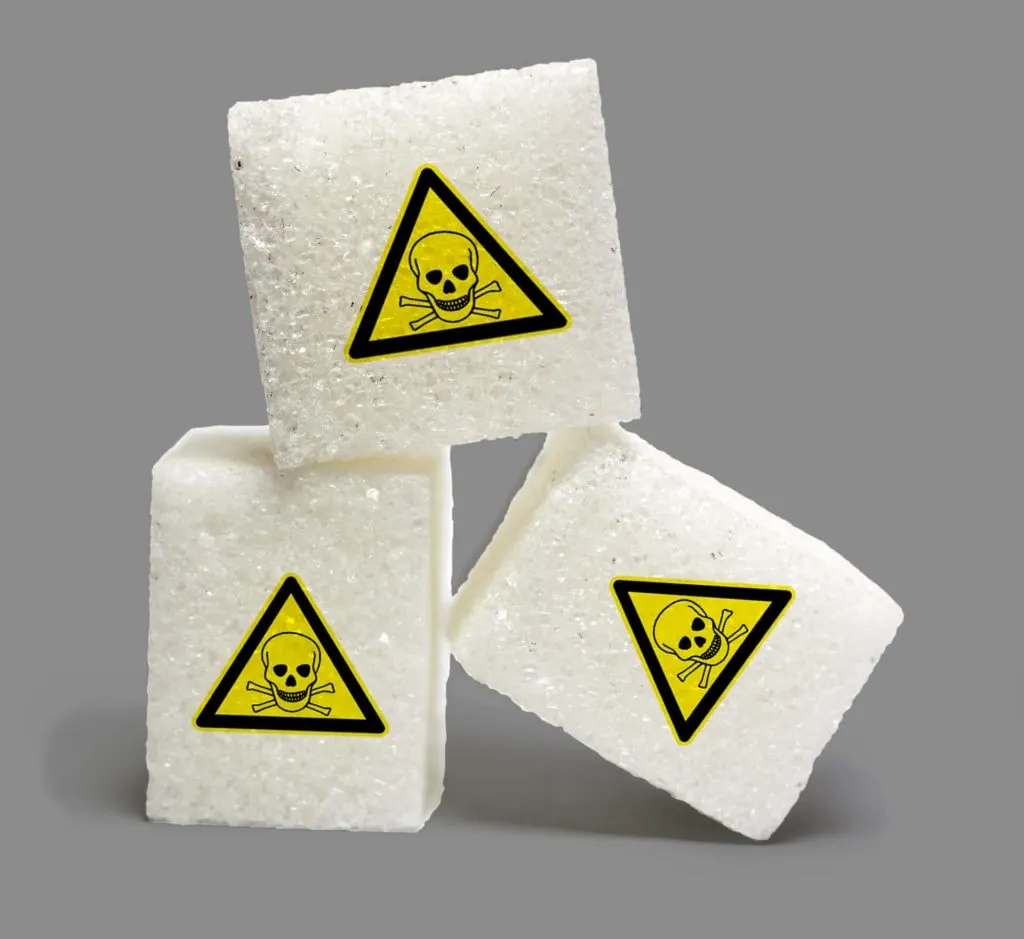
Foods that may have a negative influence on the manifestations of ADHD and which it is recommended to reduce or eliminate
Some children with ADHD are more sensitive to certain types of food, which can be reflected in their behaviour and in negative reactions. These reactions can then have a negative effect on their concentration or control over their emotions. Reducing or completely eliminating these foods may make children feel physically better, even though it does not remove the symptoms and causes of ADHD.
Sugar and synthetic sweeteners
Eating sweet foods can cause a sharp rise and subsequent fall in blood glucose, which can affect feelings of excessive tiredness or, on the contrary, of excessive energy. In various studies we find suggestions that excessive sugar consumption may be associated with hyperactivity, because foods high in sugar cause increased secretion of insulin from the pancreas, leading to hyperglycaemia, which stimulates an increase in epinephrine, which in turn leads to activation of nervous responses and possible disturbances associated with hyperactivity. In other words, a higher intake of, say, snacks high in sugar may increase nutritional imbalance, lower emotional intelligence and ADHD-like manifestations. Some studies confirm a direct link between high consumption of sweetened or processed food and ADHD; others rule such a link out.
Even though experts do not agree on this question, they do agree that reducing the amount of refined sugar in children’s food and drink is certainly a benefit. Limiting sugar is particularly recommended for children with ADHD, who have a higher risk of developing type 2 diabetes later in life. Limiting sweet food and drinks also helps, among other things, to maintain a reasonable weight. In short, limiting white sugar intake is a healthy choice for everyone, because it can reduce the risk of diabetes, obesity, tooth decay and other health problems. In this case it is better to choose unrefined carbohydrates and to keep an eye on the right ratio of fats, proteins and fibre in a meal, so that sugar is released more gradually.
Powerlogy swaps for sweet snacks:
- Instead of biscuits, have 2 squares of 90% chocolate
- For a mid-morning snack, use almond butter and an apple
- A quick breakfast? Powerlogy Granola with plain yoghurt
Is a swap like that enough to make a difference to your energy? Many people notice it within a week.
Food additives, artificial colourings and preservatives
These components of our everyday diet also come with controversy when it comes to reaching a clear conclusion about their influence on ADHD. Even here, however, most people agree that too many additives in the diet is nothing healthy, regardless of whether a person has ADHD or not.
In 1970 Dr Feingold was convinced of the hypothesis that salicylates and food additives containing synthetic colourings and flavourings influence the manifestations of ADHD. Feingold prescribed his patients a diet free of salicylates, colourings and artificial flavourings. Some of his patients recorded a marked improvement in behavioural problems. Feingold claimed that in 30 to 50% of his patients health improved significantly. In the 1970s and 1980s the scientific community then began to look more closely at Dr Feingold’s conclusions. Studies from that period suggest that the Feingold diet is not sufficiently supported and cast doubt on his conclusions.
Even though these hypotheses were called into question, they did prompt more thorough studies of artificial colourings, flavourings and preservatives in food. This is because, according to studies, these substances have an effect on children’s behaviour regardless of whether they have ADHD. One study in particular looked at artificial colourings and their influence on hyperactivity in children. During this study, 800 children suspected of hyperactivity were observed. The research found that on a diet that contained no artificial colourings, 75% of those studied showed an improvement in manifestations of hyperactivity. The conclusions of this study link hyperactivity in children with the consumption of artificial colourings and sodium benzoate.
The amount of additives, chemicals, preservatives, colourings and plastics in our food has risen sharply over recent decades. When they were introduced we did not know what they might do to the human body. Here is a short list of substances that are harmful to the human body and especially to people with a diagnosis of ADHD:
Nitrates and nitrites. They can negatively affect thyroid function as well as the blood’s ability to carry oxygen. They may increase the risk of certain types of cancer. They are used to preserve food and enhance its colour. They are most often found in processed foods, especially meat.
Artificial food colourings. As mentioned, they increase symptoms in children with attention deficit hyperactivity disorder. They are found in a wide range of food products, but especially in those aimed at children.
Bisphenols are used in the manufacture of plastic materials that can come into contact with water and food. Their use is being reduced by the EU, as they may cause hormonal problems, increase body fat and also cause disorders of the immune and nervous systems.

Other colourings and preservatives that may worsen the symptoms of ADHD
- E 102: Tartrazine – A light orange powder used to colour food. In some people it can cause allergic reactions, and hyperactivity in children.
- E 104: Quinoline Yellow – A greenish-yellow colouring found mainly in sweets, energy drinks and similar. This colouring is banned in the USA, Norway and Australia.
- E 110: Sunset Yellow FCF – An artificial colouring found mainly in puddings, ice cream and similar. It can cause allergic reactions, digestive problems and some types of cancer. A ban in the EU is under consideration.
- E 120: Carmine, carminic acid – A natural red colouring often used together with sodium benzoate. It is found in foods such as yoghurts, drinks, chewing gum and similar. It can cause allergic reactions, hyperactivity and skin tumours.
- E 122: Azorubine – A red colouring that can cause hyperactivity and skin reactions. It is banned in Austria, Sweden and the USA, for example.
- E 124: Ponceau 4R – A strong red colouring used in the food industry. It can cause fever and there is a suspicion that it is a carcinogen.
- E 131: Patent Blue – A dark blue colouring used in chewing gum, sweets and drinks. In sensitive people it can cause a rash, nausea and hyperactivity.
- E 211-213: Benzoic acid and benzoates – A preservative which, in combination with artificial colourings, has been shown to increase hyperactivity in children. In sensitive people it can worsen the symptoms of skin problems. The use of this substance in the EU is limited to necessary amounts only.
We cannot avoid these substances entirely these days, but you can give preference to products without unnecessary preservatives, which is what Powerlogy recipes are built on. To reduce these substances in your food it is a good idea to follow these recommendations:
Buy more fresh or frozen fruit and vegetables and less processed meat, especially during pregnancy. In general it is a good idea to limit tinned food and drinks, as well as fast food and processed meals. It is also important to check food labels.
Allergens in food
Some scientists assume that removing potential allergens such as gluten, wheat, milk and similar from the diet may improve concentration and reduce hyperactivity in children. In 2011 a study was published which looked at a restriction diet (allergens) and its influence on the symptoms associated with ADHD. After five weeks a marked improvement in symptoms was observed in 64% of the children. It is necessary, however, to distinguish between food sensitivity and food allergy. A food allergy is an allergic reaction of the body to a particular food that can be detected by an allergy test.
Increased food sensitivity shows itself through physical or behavioural symptoms, while testing methods do not confirm an allergy. Increased food sensitivity may also show itself as stomach ache, rashes, headaches or, in the case of ADHD, increased hyperactivity, impulsivity or lack of concentration. A negative blood or skin test for food allergy does not mean that a child is not sensitive to certain foods.
In any case it is important to work with a specialist in the field when following restriction diets.

Foods whose consumption and supplementation is recommended
As mentioned, foods and diets by themselves do not cause ADHD and do not fully treat it either. Supplementation with certain foods may, however, significantly influence the course and behaviour, and not only in children. Among other things these foods have a positive effect on maintaining energy levels and blood sugar and improve concentration.
Proteins/amino acids
Foods rich in protein may have positive effects on some behavioural symptoms associated with ADHD. Proteins influence brain activity through the amino acids they are made of, which form neurotransmitters. These are mainly phenylalanine, tyrosine and tryptophan, which influence the formation of the neurotransmitters dopamine, serotonin and norepinephrine. Neurotransmitters carry signals between brain cells, and a protein-rich diet influences both their formation and their functioning. Experts in this study carried out on 85 patients aged 4-18 examined the influence of amino acids on behavioural symptoms. The results of this study state that 77% of patients showed a marked improvement, and for that reason more research is needed to confirm these claims clearly. On the other hand, the conclusions of this study suggest that supplementing with aromatic amino acids has no fundamental influence on the course of ADHD in children. A balanced, protein-rich diet is nevertheless an important factor in the development of all children, since every cell in the body needs amino acids to function properly.
Protein stabilises energy and holds off hunger. Build your breakfast on yoghurt, eggs or quark. Round off the taste with a spoonful of Powerlogy nut butter with no added sugar. Add fruit and a handful of nuts. The meal will be simple and filling.
Vitamins and minerals
Some studies associate the manifestations of ADHD with low levels of certain vitamins and minerals. These are mainly iron, magnesium, zinc, vitamin B6 and vitamin D.
Zinc and magnesium are the micronutrients whose deficiency is most often associated with the symptoms of this disorder. The signs of a deficiency of these minerals in the body are similar to the symptoms of ADHD. A low magnesium level may bring on increased nervousness, anxiety, restlessness, insomnia, problems with coordination and problems with learning. Scientists who examined magnesium levels in 116 children with ADHD found that 95% of the children with ADHD had a magnesium deficiency. On the basis of these data they concluded that children with ADHD are more often magnesium-deficient than children without this diagnosis. On the basis of their results, the scientists in this study describe a correlation between magnesium levels and the severity of symptoms. In that study, supplementing 200 mg of magnesium over six months was associated with a significant reduction in hyperactivity in children with ADHD. Further studies confirm a link between a deficiency of certain micronutrients and behaviour in children. This concerns the iron and zinc mentioned above and similar.
Omega-3 fatty acids
Omega-3 fatty acids are a very important component involved in the optimal functioning of the heart, brain and nervous system. On the basis of clinical and biochemical results, some studies suggest that deficiencies of polyunsaturated fatty acids (PUFA) in the body may be associated with the symptoms of ADHD. This study showed that children and adolescents with ADHD have significantly lower plasma and blood concentrations of polyunsaturated fatty acids, and above all lower levels of omega-3 fatty acids. In the conclusion of the study, however, the author states that supplementing polyunsaturated acids does not bring significant results and that further research is therefore needed. On the other hand, there are a number of studies concluding that supplementation brings modest but meaningful results in reducing the symptoms of ADHD. Polyunsaturated fatty acids are an important part of our diet that should not be missing from the menu, as they are associated with a lower risk of cardiovascular disease and with better brain function. Besides fattier fish and offal, good-quality nut butters are also a quality source of polyunsaturated fatty acids.
Recommendations in closing
Identifying one specific diet or dietary approach for ADHD is very difficult. The studies do not offer us clear conclusions and we will have to wait for further specialist publications and information in this area. Every individual’s body also reacts differently to the components of food mentioned. A person with ADHD should nevertheless eat balanced meals made up mainly of whole foods. In the composition of individual meals it is important to take account of complex carbohydrates, omega-3 polyunsaturated acids and a sufficient amount of protein. On the other hand, it is better to avoid various additives in food. A healthy lifestyle in the form of good-quality eating and physical activity benefits everyone, regardless of whether a person has a disorder. That is confirmed after all by this study, which focused on the influence of physical training in people with ADHD. Besides the other benefits of exercise, physical activity and movement increase dopamine levels, a deficiency of which is often associated with this disorder. You will find inspiration for balanced meals that may have a positive influence on behaviour and better brain functioning on our blog and in the following recipes:
Chicken with almond and sesame sauce
Summary
- Attention deficit hyperactivity disorder (ADHD) is a mild brain dysfunction classified among neurodevelopmental disorders.
- The symptoms of ADHD can be classified into two groups of behavioural problems: inattention, and hyperactivity and impulsivity.
- ADHD develops from childhood and persists into adulthood, so it is unlikely to develop in an adult.
- Foods can influence behaviour, so it is likely that they also influence the manifestations associated with ADHD.
- Identifying one specific diet or dietary approach for ADHD is very difficult, as the studies do not offer us clear conclusions.
Have a look at the Powerlogy sugar-free categories too. You will notice the change in an ordinary day.


Comments
There are no comments yet.