
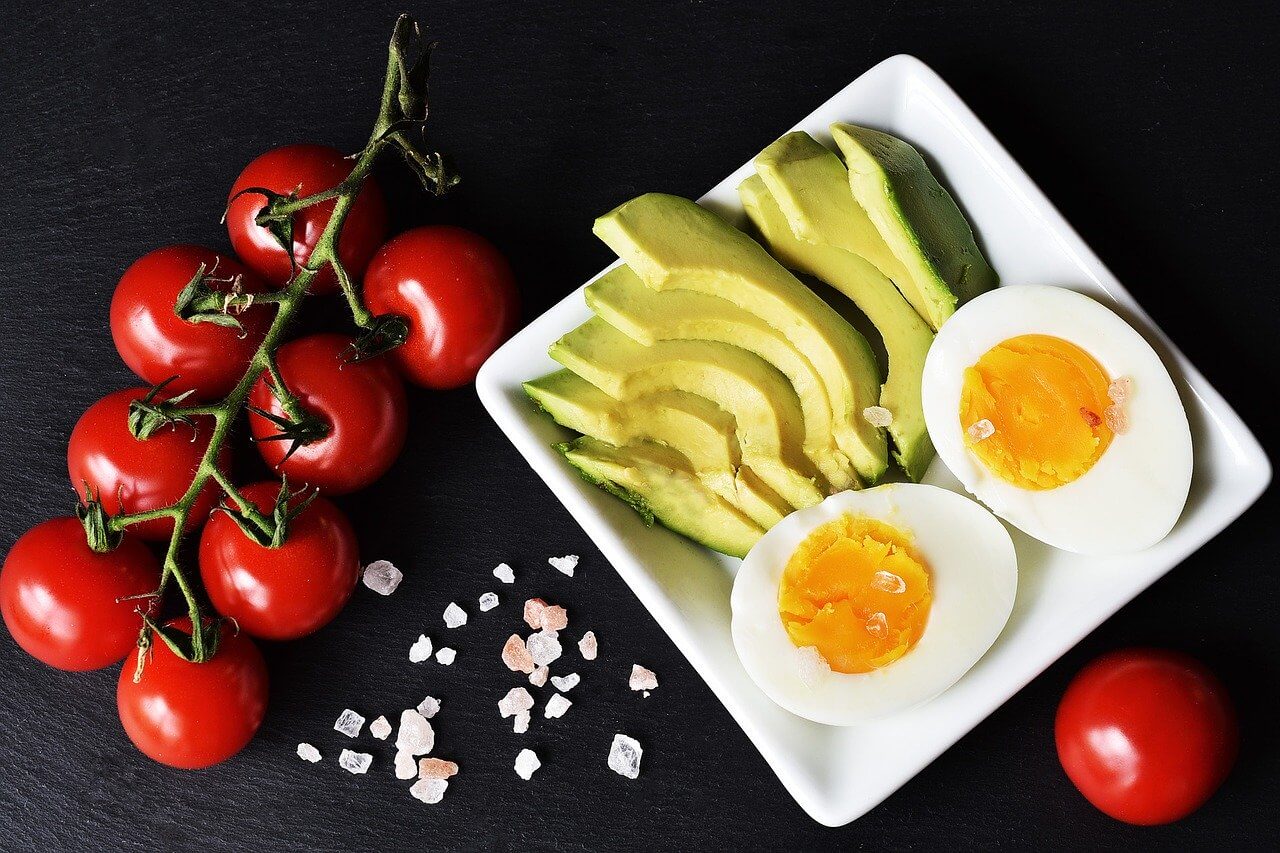
The ketogenic diet, better known as the keto diet, is probably the most controversial dietary approach of the last few decades. The controversy itself stems from conflicting opinions among the general public and among experts alike. It is quite possible that you will find a fair number of studies, scientific publications and claims that contradict one another and at times refute one another. In the following article we look at what the keto diet is. We explain the principle on which keto works, how to follow it as well as possible, and what positive and also negative effects on our health it can have if it is done incorrectly.
In this article you will read:
- What the ketogenic diet is.
- How the keto diet works and what happens in the body while following it.
- The health benefits associated with the keto diet.
- The drawbacks associated with the ketogenic diet.
- A list of keto-acceptable foods.
- Tips on how to adopt the keto diet.
What is the keto diet?
The term keto diet has been known to humanity for around a hundred years. In 1921 the physician Russel Wilder applied the keto diet in the treatment of epilepsy for the first time, and the term ketogenic diet appeared for the first time as well. Some patients who do not respond adequately to available medication use the keto diet to this day, as this publication also confirms. Today the keto diet is used as an effective dietary approach for shedding excess kilograms, in the fight against obesity, and in some cases it is followed by people with type 2 diabetes.
In short, the keto diet is characterised as a low-carb dietary approach in which, in terms of macronutrients, the diet should contain a high proportion of fats and a minimum amount of carbohydrates.
In practice, in terms of macronutrients and total daily intake, it looks as follows.
Macronutrient composition:
- On the standard keto diet, total daily nutritional intake is 75 % fat, 20 % protein and only 5 % carbohydrates.
- On the cyclical ketogenic diet (CKD): the macronutrient ratio is the same as on the standard keto diet, but two days are “high carbohydrate” (taking in as many carbohydrates as possible).
- On the targeted keto diet: you add carbohydrates depending on training.
- On the high-protein ketogenic diet: the macronutrient ratio is similar to the standard keto diet, with the difference that protein makes up 35 % of total daily intake. Fats account for 60 % and carbohydrates for 5 %.
Most studies are carried out on the standard ketogenic diet model, and the other variants mentioned are used mostly by elite athletes.
What happens in our body and how does the keto diet work?
The difference between the keto diet and low-carb eating
Although the keto diet and the low-carb diet are similar in restricting carbohydrates, the main difference is that the keto diet is far stricter and aimed at reaching a state of ketosis. By contrast, a low-carb diet does not necessarily lead to ketosis and allows a larger share of carbohydrates, which may suit those who prefer a less strict eating regime.
However, as has already been said, the keto diet belongs among low-carb dietary approaches. To a drastic reduction in carbohydrate intake and the replacement of that caloric intake with fats, the body responds with a metabolic state called ketosis.
What is ketosis?
Ketosis is a natural metabolic state of the body in which fats and subsequently ketones are used as the primary source of energy.
Ketosis is most often associated with the keto diet, but it also occurs in pregnancy or during fasting. To reach ketosis, most people need to reduce their daily carbohydrate intake below 50 g, though there are exceptions where a person has to take in only around 20 g of carbohydrates a day. If the human body does not have enough carbohydrates, precisely because intake has been reduced below the 50 g a day threshold, insulin secretion is markedly reduced and the body enters a catabolic state. Glycogen stores are depleted and the body is forced into metabolic changes.
Where there is a shortage of glucose in the body’s tissues, two metabolic processes come into play: gluconeogenesis (the synthesis of glucose from non-carbohydrate sources) and ketogenesis (the metabolic process in which ketones are produced as fatty acids are released from fat stores and converted in the liver into ketone bodies, which are then used as an alternative form of energy).
Ketones stand in for glucose as the primary source of energy. During ketogenesis, and with the body’s low response to glucose because of its low level, insulin secretion is also low. These factors reduce the stimuli for fat and glucose storage. Further hormonal changes can lead to increased breakdown of fats into fatty acids. The fatty acids are then metabolised into acetoacetate, which is later converted into beta-hydroxybutyrate and acetone (the basic ketones produced in the body when following the keto diet). We call this metabolic state nutritional ketosis. This state is regarded as safe as long as ketones are produced in reasonable amounts and concentrations without more significant changes in blood pH. Changes in blood pH caused by an extremely large production and concentration of ketones are called ketoacidosis (in healthy people this is a very unlikely state).
Benefits associated with following the keto diet
Is the keto diet healthy?
Besides a marked loss of weight and fat stores, further advantages associated with following the keto diet are supported by scientific publications. Let us return, though, to why the keto diet is so effective for weight and fat loss. A low-carbohydrate and especially a ketogenic diet reduces the feeling of hunger. This is supported by several studies which concluded that people who eat fewer carbohydrates naturally begin to eat less and therefore take in fewer calories and lose weight without much effort. This claim is also supported by the following study. In short, it comes down mainly to the fact that eating food made up of a larger share of fats and proteins keeps us feeling full for longer and delays hunger.
Another reason for the more pronounced initial weight loss is that on a low-carb diet the body gets rid of excess water. For someone who wants to lose excess kilograms that is certainly encouraging, and they stay on the diet longer. An interesting finding connected with weight loss is the conclusion of this study. Following the keto diet is reported to lead to a reduction in visceral fat around the abdomen, which in larger volumes is associated with inflammation and insulin resistance and can lead to metabolic disorders.

Effects on cholesterol
This is linked mainly to a rise in HDL cholesterol. This study supports the statement that taking in a larger share of fats in the diet leads to improvements in cholesterol, even if at first sight that may seem a little odd. Of course, the statement is closely tied to the quality of the food and the right ratio of fatty acids. When following the keto diet it is important to eat food that is nutritionally balanced. Many people break these principles and do not make use of the benefits the keto diet offers.
Research into the keto diet in oncology
Specifically, this study discusses the ketogenic diet as safe and suitable as support alongside chemotherapy or radiation therapy in people with certain types of cancer, mainly because the keto diet is reported to create more oxidative stress in affected cells. Another study from 2018 concludes that on the keto diet blood sugar falls, which reduces the risk of complications connected with insulin. Insulin has a close link with certain types of cancer.
The keto diet as a complementary approach in certain conditions
As has already been mentioned, the keto diet is used in the treatment of epilepsy to this day. According to the Epilepsy Foundation in the USA, following the keto diet leads to a reduction in epileptic seizures, particularly in people who do not respond adequately to standard methods of treatment. This statement rests, among other things, on the conclusions of this study. Some publications, including this study, suggest that the ketones our body creates during ketosis have positive effects on the brain and nerve cells, and so the ketogenic diet is often discussed in connection with Alzheimer’s disease.
Blood pressure, blood sugar and the skin
A high share of processed and refined carbohydrates in the diet can, among other things, negatively affect the balance of stomach bacteria. These bacteria have, among other things, a fundamental influence on the condition of the skin. According to this study from 2012, reducing carbohydrate intake on the keto diet may in some people be associated with an improvement in acne. Restricting carbohydrates in the diet is also linked with blood sugar and blood pressure. A low-carb diet is an effective tool for lowering blood pressure, which raises the risk of cardiovascular disease. Researchers looked into this issue in 2019 in this study.
In some cases the subject still needs to be worked out in more detail at a scientific level, but by following the keto diet correctly we can get more benefits out of it and make use of the full potential of its effects on body composition and on improving certain functions.
The keto diet is not for everyone
Following the keto diet requires a fairly strict regime
As stated above, the keto diet is a suitable dietary approach if a person wants to lose a few kilograms in a short time and make use of the other advantages that ketosis offers. Following the keto diet is, however, not at all simple. The problem arises when a person has to change their eating habits completely. Getting rid of foods such as bread, sweets, juices and other commonly eaten items is not easy. These foods need to be replaced with an alternative that falls within the “keto-friendly concept”. It is also important to bear in mind that not all fats are equal and that it is undesirable to eat large amounts of processed, over-salted or smoked foods. Even on the keto diet the food should be varied and contain important components such as fibre, vitamins and minerals. In the adaptation phase we also risk a state called keto flu.
Keto flu
Keto flu, the so-called keto influenza, is a set of symptoms a person feels while the body adapts to non-carbohydrate energy sources. These symptoms are temporary and mainly involve:
- weakness
- listlessness
- fatigue
- thirst
- frequent urination
- headache
- in women there may be changes in the menstrual cycle
- in some cases muscle cramps appear
These symptoms usually last from two days up to one week, and here too every body is unique. In some people the symptoms may not appear at all, in others they may last a longer period. In a healthy person there is no need to fear the symptoms mentioned.
Many of the symptoms mentioned are connected mainly with a low level of sodium in the body, which, because of the drop in insulin levels, naturally began to be retained less. A slight increase in salt intake (for example Himalayan salt, which is also enriched with other minerals) can therefore help considerably with concentration and prevent cramps.
Other side effects and symptoms
Some sources state that the keto diet may be seen as a risk factor for cardiovascular disease (in contradiction with the previous statement). Referring to the claims that studies make, they say that people following the keto diet take in excessive amounts of saturated fatty acids, which are often associated with the risk of cardiovascular disease. If the keto diet is not followed correctly and the choice of foods is not varied, there is also a risk of a deficit of macronutrients, and especially of some vitamins, minerals and trace elements. A worsening of liver function is also mentioned in people who already have a problem, because of the excessive metabolising of fats. If there is too much protein in the diet, complications with the kidneys may arise. However, the drawbacks and side effects just mentioned can be removed by choosing quality foods and supplements correctly.
Keto breakfast in the form of coffee with butter and MCT oil

When switching to the keto diet it is very important not to let yourself be put off. Perhaps the best way to help yourself is to take in MCT fats, which are converted right in the liver into fatty acids and ketones. That way you avoid a lack of energy and your body gets used more easily to using ketones again. A combination of butter, MCT oil and coffee will give you fast, steady energy, mainly for the brain. Coffee itself is a quality stimulant that amplifies the whole effect of MCT fats. You will find the recipe for our Power Coffee and its other benefits here: Power Coffee with MCT oil and ghee butter.
The quality and choice of keto foods is decisive

The ketogenic diet is not only about meat, eggs and meat products, even if this mistaken picture is still lodged in the imagination of some nutrition “experts”. It is precisely for this reason that some radically negative opinions about this way of eating arose, when in fact it can offer a range of the benefits already presented. So let us look at which foods the keto diet should contain and what we must not forget in order to get the most out of it.
Keto “friendly” acceptable foods
- Meat: poultry, beef ideally grass-fed, offal, pork, game
- Occasionally: bacon, low-fat meat such as skinless chicken breast
- Dairy products: butter, ideally ghee butter, full-fat cream, full-fat cheeses, full-fat yoghurts
- Fish: ideally herring, mackerel, salmon
- Eggs: ideally whole and organic
- Nuts and seeds: macadamia, pecan, almonds, chia, hemp, pumpkin, walnuts
- Oils and fats: coconut products, MCT oils, olive oil, sesame oil
- Vegetables: asparagus, broccoli, cauliflower, onion, celery, leafy greens, mushrooms, tomatoes
- Fruit: berries: raspberries, blackberries, blueberries and the like in smaller amounts
- Seasonings: herbs and spices, lemon juice, salt, black pepper, vinegar
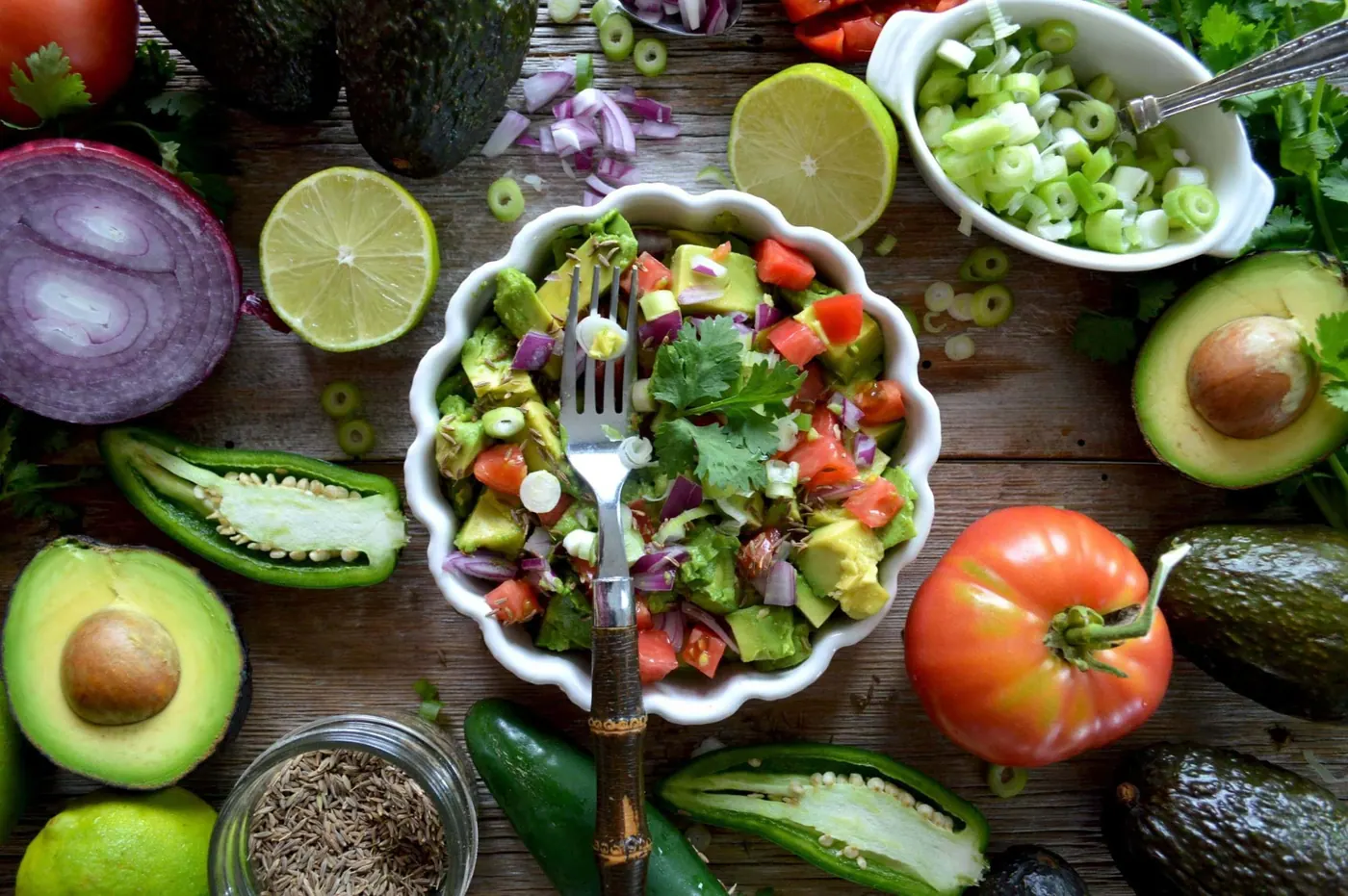
Foods to avoid on the keto diet:
- Meat: processed meat
- Dairy products: ice cream, milk, low-fat yoghurts, sweetened yoghurts
- Nuts: nuts in chocolate, sweetened nut butters, peanuts
- Oils and fats: margarine, corn oil, sunflower and rapeseed oil
- Vegetables: sweetcorn, potatoes, pumpkin, pulses and other starchy kinds of vegetable
- Fruit: bananas, oranges, mandarins, dried fruit, grapes, pineapple
- Seasonings: barbecue sauce, ketchup, sweetened sauces
- Bread: flour-based foods: bread, cereals, crackers, oat flakes, pasta, rice
- Drinks: beer, alcohol in general, fruit juices, sweetened alcoholic drinks, sweetened teas
- Other: sweets, fast food, processed foods, sugar, honey
This list is relatively varied. Foods need to be combined in reasonable amounts so that the diet is diverse, but it is necessary to keep to the macronutrient ratios in the diet that were given at the start of the article. Naturally, there are plenty of unsweetened, sugar-free products and the like on the market, but it is advisable to include these products in the diet more sparingly. The list of foods is of course broader, but it is above all necessary to pay attention to the quality of the food and the share of carbohydrates in individual foods.
The purpose of the list above is to give you an idea of what the keto diet could correctly look like. More extensive study of foods in connection with the keto diet is certainly needed so that your effort is not wasted and you make use of all the benefits. When following the diet it is a good idea to plan your food in advance and to try to make the resulting meal keto-friendly. An occasional milder low-carb meal should not “throw you out” of ketosis, though of course everything in moderation.
Vitamins and minerals are also important, and they can easily be bought on today’s market. Do watch out, however, for the important matter of supplement quality and for sweetened alternatives. It is important to think about drinking enough. On the keto diet you have to take in somewhat more fluids.
A keto meal plan: examples and tips for the keto diet
A balanced keto diet should include foods rich in healthy fats and proteins, for example avocado, nuts, coconut oil, eggs, cheeses and leafy greens. You will also find ideas for tasty recipes on our blog in a separate category: Keto recipes.
Summary
- Ketosis is a natural bodily state.
- When the keto diet is followed correctly, it is possible to get a great many positive effects out of it.
- The ketogenic diet is an interesting alternative as a complementary approach in some disorders of the body and at the same time an excellent tool for reducing the amount of body fat.
- Be guided by the correct choice of foods according to the list above and combine them so as to avoid side effects.
- It is important to take care over the quality and choice of foods in order to reach all the advantages associated with the keto diet.
Image source: unsplash


Comments
There are no comments yet.