
A great deal has already been written about viruses and protection against them. But we liked this treatment so much that we decided to pick out a part of the complete document for you, which you can download at https://codeoflife.cz/.
In this article you will read:
- How to make use of your own body’s defences
- Which parts of the body are key to defence against viruses
- Which food supplements are most talked about
- Which foods have been studied for antiviral properties
- Which vitamins are used to support the immune system
Cultivating Human Power
In a time of viral illness, the proper functioning of our body and immune system matters. The role of our immunity, whether innate or adaptive, is protection against pathogens such as viruses. By cultivating our Human Power over the long term, we can build barricades against these unwanted agents. The body has biochemical defence systems that shape our immune system and its resilience to viruses. For the body to work properly it is therefore important to understand the basics and principles of these mechanisms and to know how to support them, whether naturally or in the form of supplements.
Autophagy – the body’s main cleaning system
Autophagy, literally cellular self-eating, shapes immunity and clears out pathogens. It is activated in response to stress such as infection, fasting, heavy physical exertion or phytonutrients. Its role is protection against stress and the redistribution of internal resources. Its processes break down intracellular pathogens, including bacteria and viruses.
To optimise gut function, probiotics and prebiotics are suitable, either as supplements or in natural form such as fermented vegetables and yoghurts (kimchi, sauerkraut, coconut kefirs). Look after your gut microbiome, enjoy a good and varied diet and try intermittent fasting as well. Over time you will build up an ecosystem of microorganisms in the gut. On the other hand, avoid industrially processed foods, gluten, lectins, alcohol and cigarettes, which offer little in the way of nutrition. It is also worth not raising your blood sugar unnecessarily.
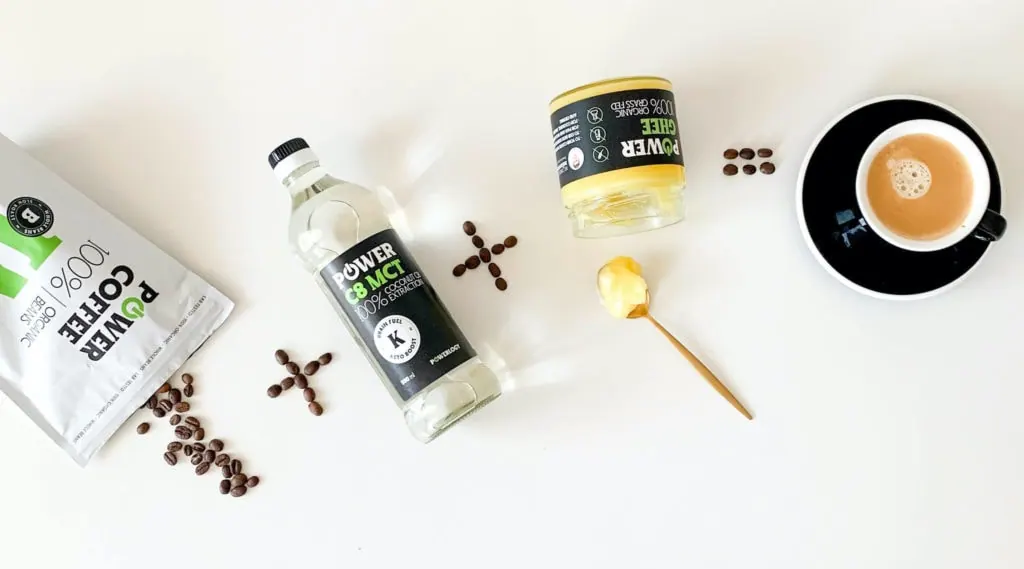
Partial fasting is a powerful tool in this context too, but everyone experiences fasting differently. Some people naturally cope with longer fasting windows, while others are right at the beginning. It is very important not to push too hard and to know how to help yourself. Our time-tested recipe for Power Coffee will help you gradually work partial fasting into your ordinary day. Well-blended coffee with butter and MCT oil deals above all with the unpleasant feelings that come at the start of fasting. It also contains no carbohydrates. And the healthy fats you eat are used directly to deliver fast, steady energy for your muscles and brain. You will find the recipe and an explanation of what makes Power Coffee valuable at this link
Glutathione – the master of defence
Glutathione is the body’s main antioxidant defence mechanism and is produced in the liver. It is a molecule that every cell in our body makes from three amino acids: L-glutamine, L-glycine and L-cysteine. Its main roles are described as protecting fats from oxidation, supporting the mitochondria in producing energy and strengthening immunity. It is described as shielding us from free radicals, toxins and pathogens.
Our body can make glutathione by itself and uses it in dealing with inflammation, infections and toxins. However, if you do not spend enough time outdoors and are affected by stress or a lack of sleep, glutathione reserves can become depleted. In that case some people choose to top up glutathione in the form of a food supplement.
NRF2 Regulator of cellular resistance
NRF2 is one of the main regulators of antioxidants and of cellular protection against oxidants. According to research, many diseases are the result of oxidative stress, which arises from an excess of free radicals that damage DNA and RNA. Free radicals are destructive molecules that can be found in our natural environment, in food and also in our body.
The body has a protective mechanism involving antioxidants, which neutralise them. However, as we age these mechanisms gradually deteriorate. That results in less antioxidant activity and therefore greater damage to our DNA, RNA and cells as such. NRF2 activates more than five hundred genes through molecules we call sirtuins. They are described as the guardians of the genome thanks to their role in regulating cellular balance. Besides a supplement, a diet high in natural antioxidants is suitable, one often described as anti-inflammatory, for example the Mediterranean, Okinawan or Paleo diet.
We can achieve NRF2 activation through physical exercise, partial fasting and an intake of natural nutrients, for example curcumin from turmeric, resveratrol from grapes, quercetin from onion, sulforaphane from broccoli and antioxidants from green tea. Antioxidants in food can, however, be destroyed by heat, and when we eat them raw they may be absorbed poorly and their entry into cells may be inefficient. They can therefore also be topped up with a food supplement, where bioavailability will be considerably better.
NAD+ – a key enzyme in every cell
Nicotinamide adenine dinucleotide, NAD+, is the main cofactor present in almost all cellular reactions and has a central role in biological functions. It supports energy production and allows the cell to work better. A shortage of this molecule is associated with ageing and various diseases. As we age, our reserves fall. It is also known that low NAD+ weakens the immune system and the body’s natural defence mechanisms.
We can support NAD+ production through partial fasting, physical exercise or food supplements, for example vitamin B3. NAD+ can also be supported by eating certain foods, for example raw green organic vegetables or baby portobello mushrooms.
Which foods have been studied for antiviral properties?
People whose cells are poorly nourished may be more vulnerable to various viruses and illnesses, since their immune system does not have enough resources to work properly.
A lack of nutrients plays a part in weakened immunity, and unhealthy dietary decisions are often behind it. Nature, however, offers foods that have been studied for antiviral properties and whose components are associated with support for our immune system.
5 foods studied for antiviral properties
Coconut oil
Coconut oil contains the active components lauric acid C12, which makes up 50 % of coconut oil, and monolaurin, which our own enzymes produce when digesting coconut oil. In addition, when the surface of coconut oil meets a different environment, lauric acid forms sodium laureth sulfate. These three substances have long been researched for their antiviral properties.
Garlic
Garlic contains the strong antioxidant quercetin, which is studied for its anti-inflammatory properties, and it is also full of nitrates, which the human body can convert into nitric oxide. That serves as a signalling molecule between cells and occurs in the cardiovascular and nervous systems. When garlic is crushed, allicin is formed, a compound behind a whole range of mechanisms that have been researched in connection with cell defence. Garlic has long been a valued part of a varied diet.
Shiitake mushrooms
Shiitake is one of the most interesting mushrooms to eat. It is full of nutrients and has long been valued in traditional cuisine, including in connection with the immune system and the brain. It contains lentinan, a compound that has been widely studied for antiviral properties.
Cinnamon
Cinnamon is another popular addition to the diet. Antiviral properties have been examined in its nanoparticles and also in cinnamon oils.
Liquorice
Liquorice contains more than three hundred flavonoids and twenty triterpenoids, and among them substances that have been studied for antiviral properties. Research has looked at their effect on T cells (white blood cells) and on the multiplication and spread of viral infection.
5 foods for the immune system
Liver
Liver is among the most nutrient-dense foods; it is nutritionally very rich and contains vitamins and minerals that our body and immune system need to work properly.
Quality fats
Quality fats are fundamental to the proper functioning of the body. They include extra virgin olive oil, quality butter and ghee, fish oil and omega-3. A category of its own is MCT oil, which is very easy to digest. Its metabolic pathway is different from that of most fats – it is faster and does not burden the gallbladder. MCT fats are converted efficiently into ketones right in the liver. These then travel to the muscles and the brain, and wherever they end up they are used as reliable energy. Fats in general form our cell walls, on which the proper functioning of cells depends.
Oysters
According to nutritional psychiatrists, oysters rank alongside liver among the foods most often discussed in connection with mental health. They are extremely rich and, among much else, contain zinc and particular vitamins.
Green tea
Green tea contains catechins, which have been studied both for antiviral properties and for their wider role in the body. It is an ideal everyday drink that helps many people function better and cope with stress over the long term.
Onion
Onion contains flavonoids of the anthocyanin and flavanone type. Some are converted into substances similar to quercetin or allicin, which are widely studied, including for antiviral properties.
Nutrients for the immune system
Among the most talked-about substances here is vitamin D, which contributes to the normal function of the immune system and which the body uses to make antimicrobial proteins.
It is also worth topping up zinc, which we find in protein-rich foods, that is in pulses, wholegrain cereals and beef, and also selenium, which we find in liver, Brazil nuts and yeast.
Several medicinal mushrooms such as reishi and cordyceps are traditionally used as well, as are herbs such as all-heal (ginseng) and sage.
If you want to learn more about the options for strengthening the body against viruses, download the Biohacker’s Handbook at https://codeoflife.cz/.
Summary
- The foundations are enough sleep, physical exercise, partial fasting and an intake of natural nutrients.
- Getting nutrients from food properly is the job of a healthy gut microbiome, so enjoy a good and varied diet combined with intermittent fasting.
- You can support the body’s antioxidant defence mechanism with food supplements such as glutathione, NRF2 or vitamin B3, as support for the production of the key cellular enzyme NAD+.
- It is important to avoid processed foods and instead to reach for onion, quality fats, and also liver, oysters or a cup of top-quality green tea.


Comments
There are no comments yet.